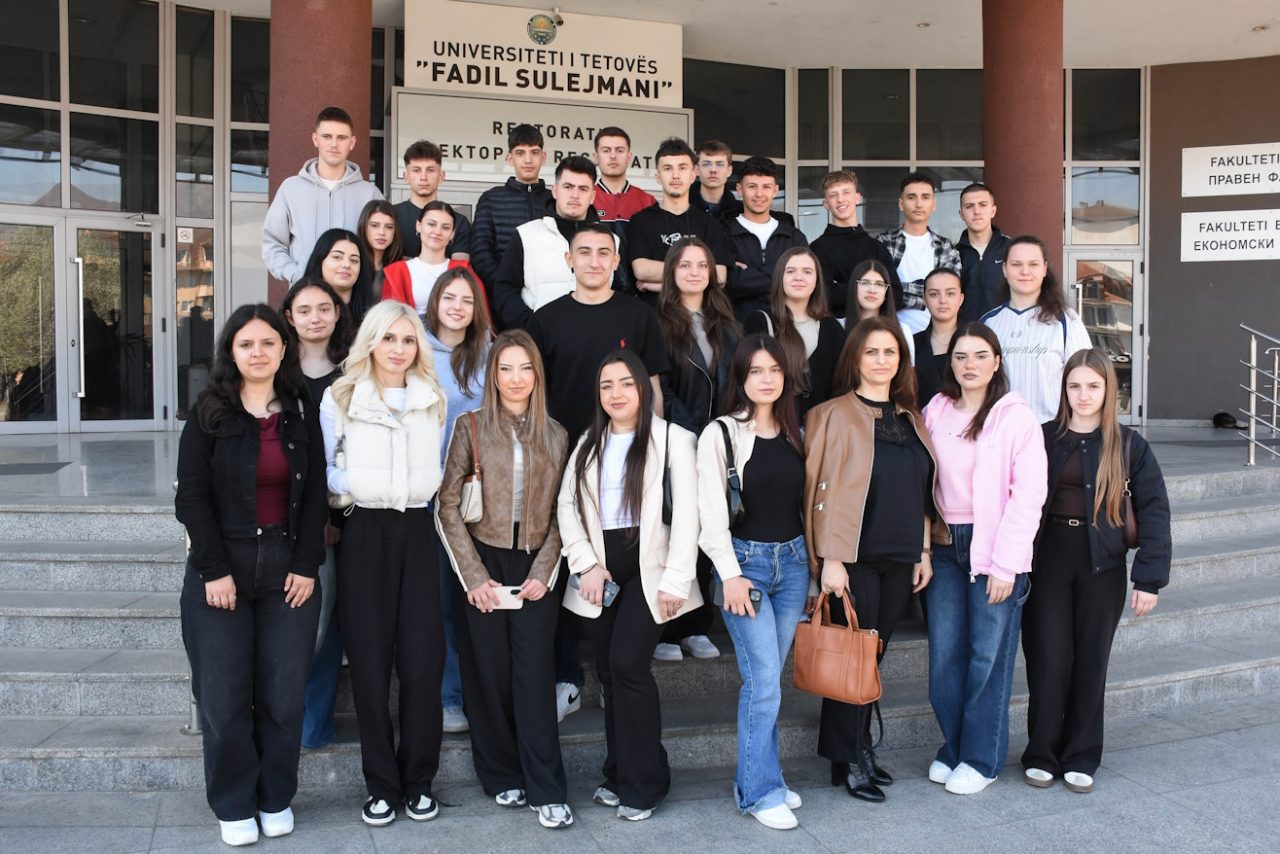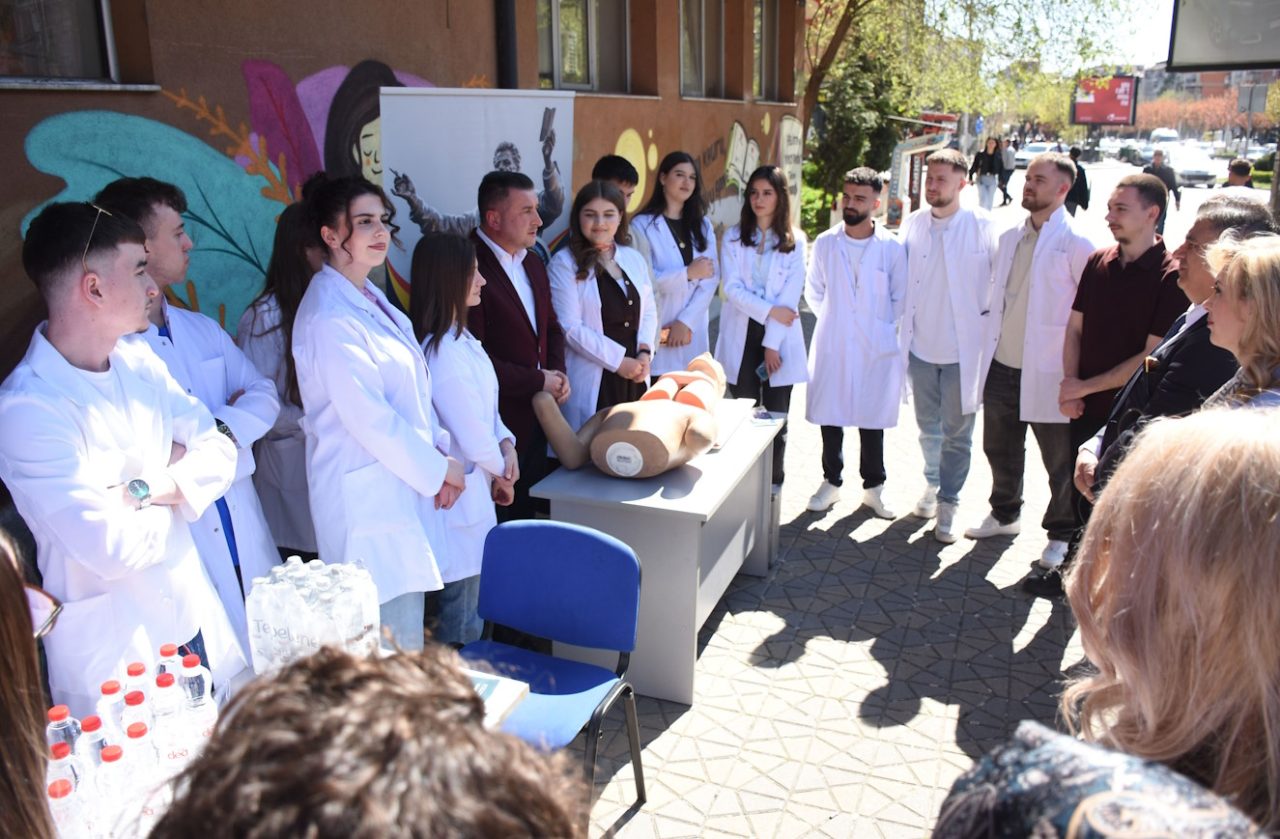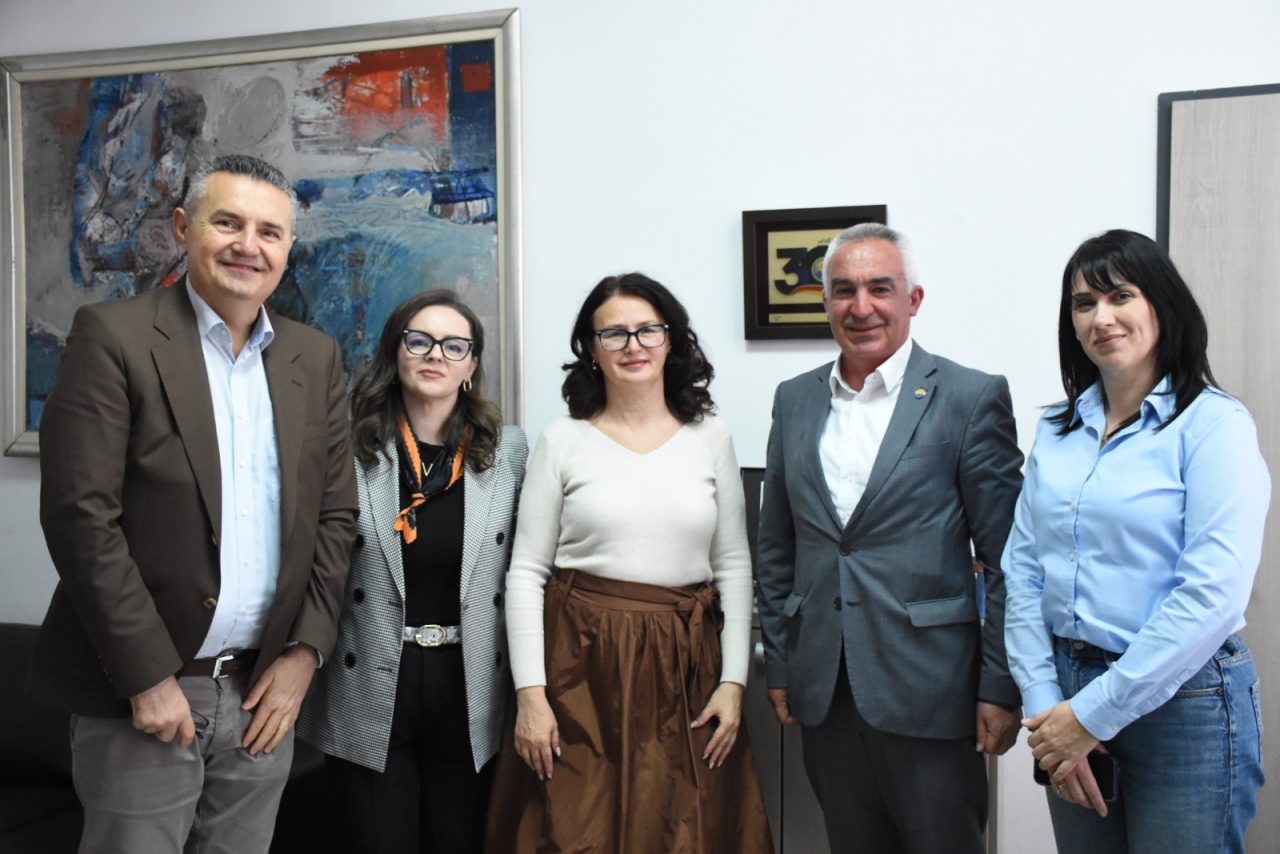
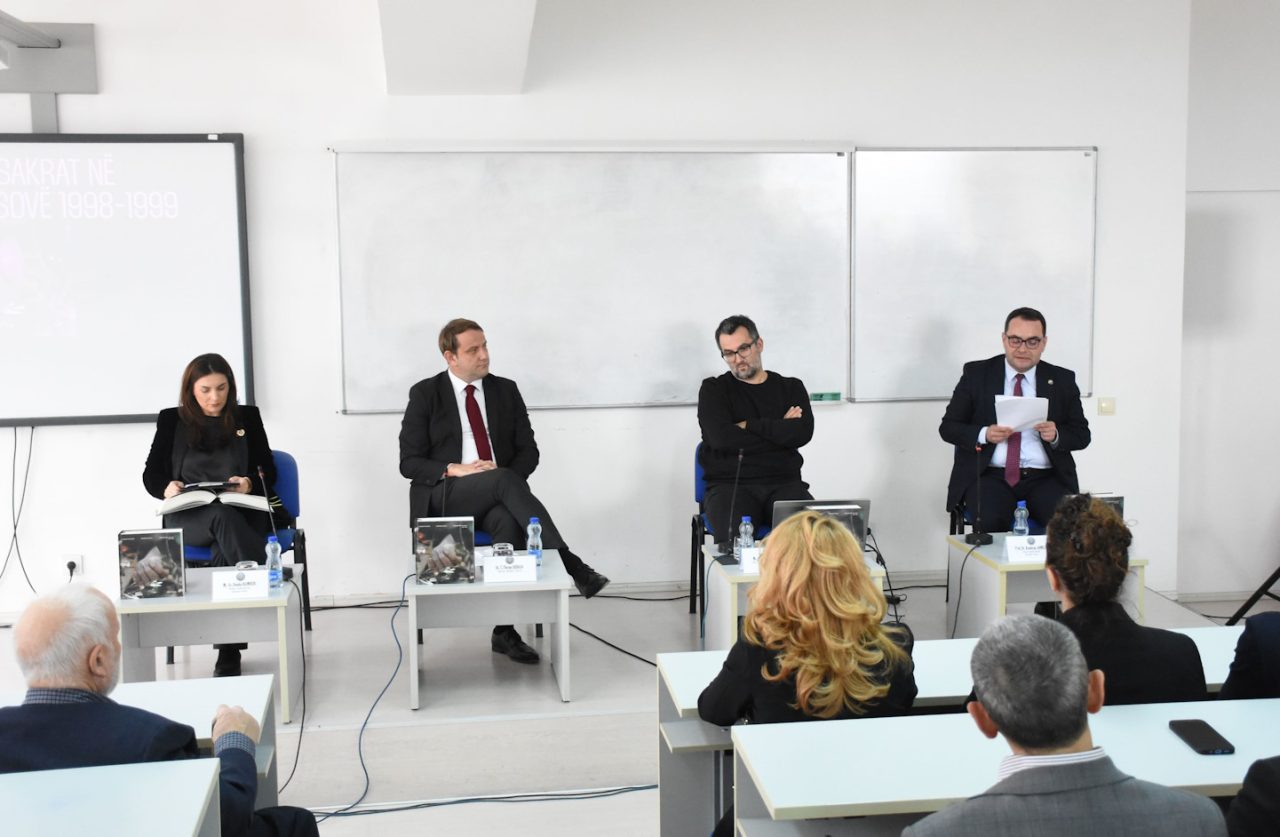
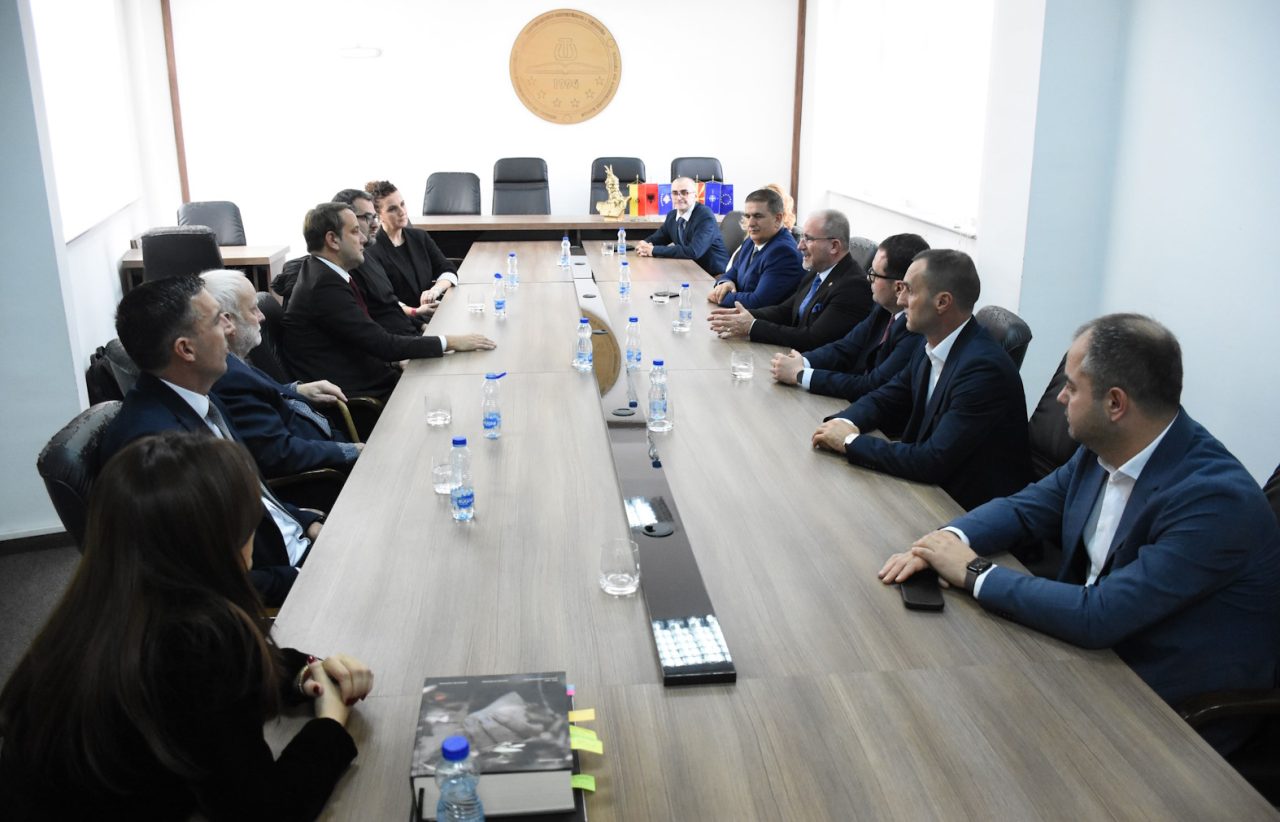
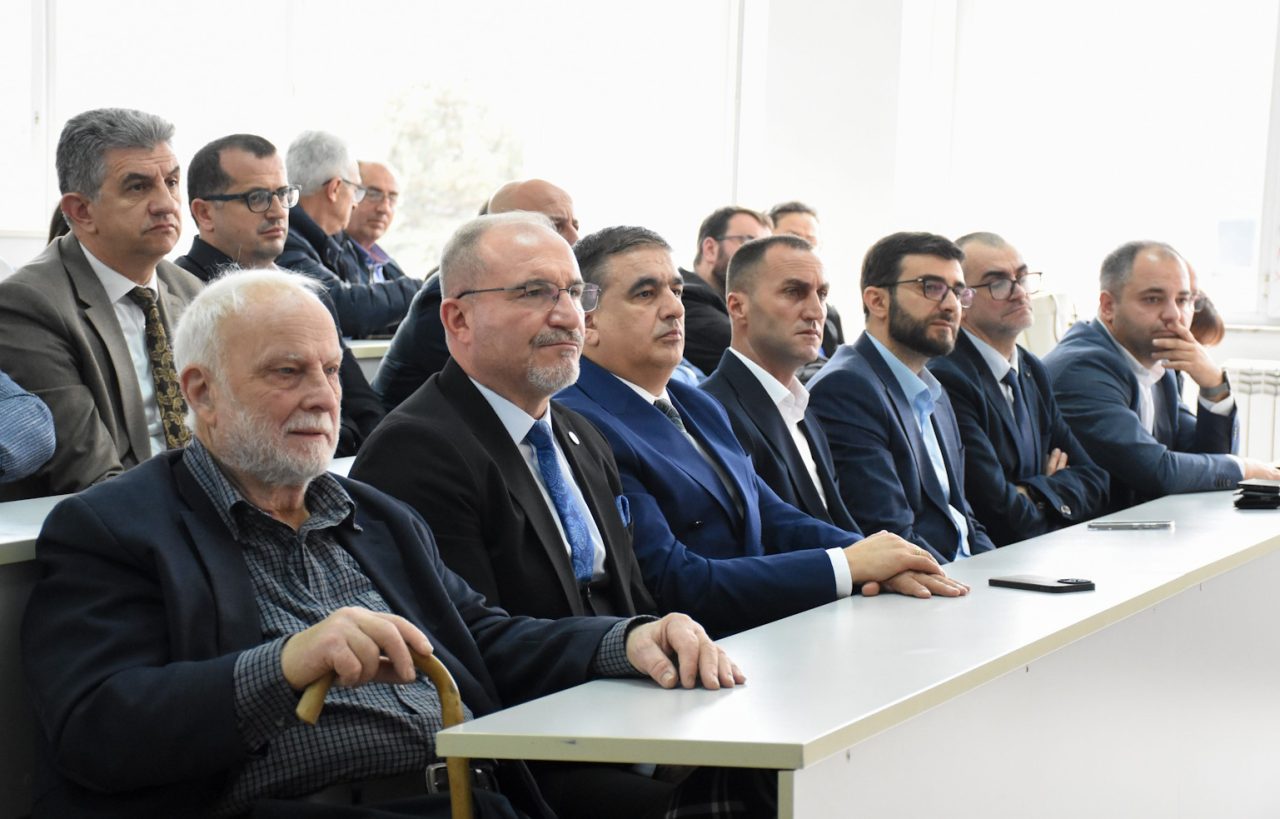
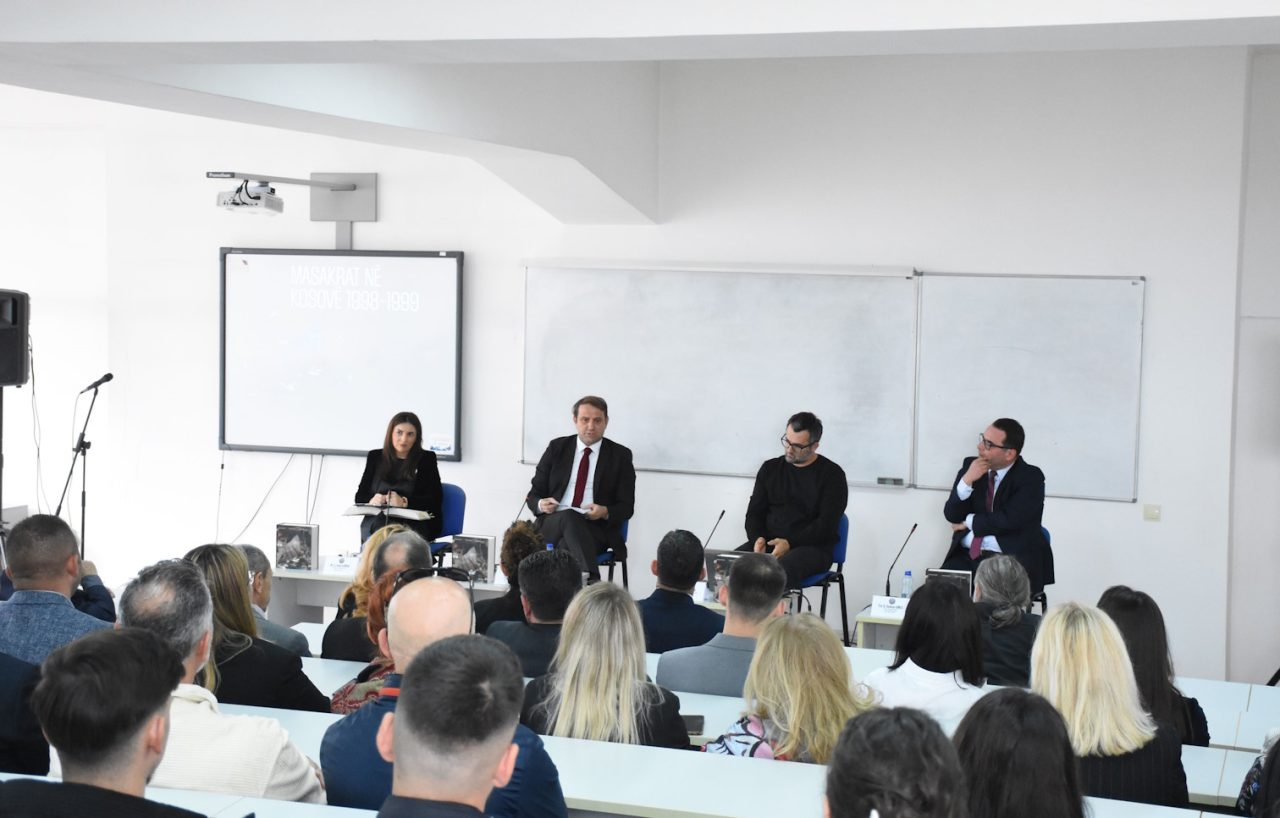
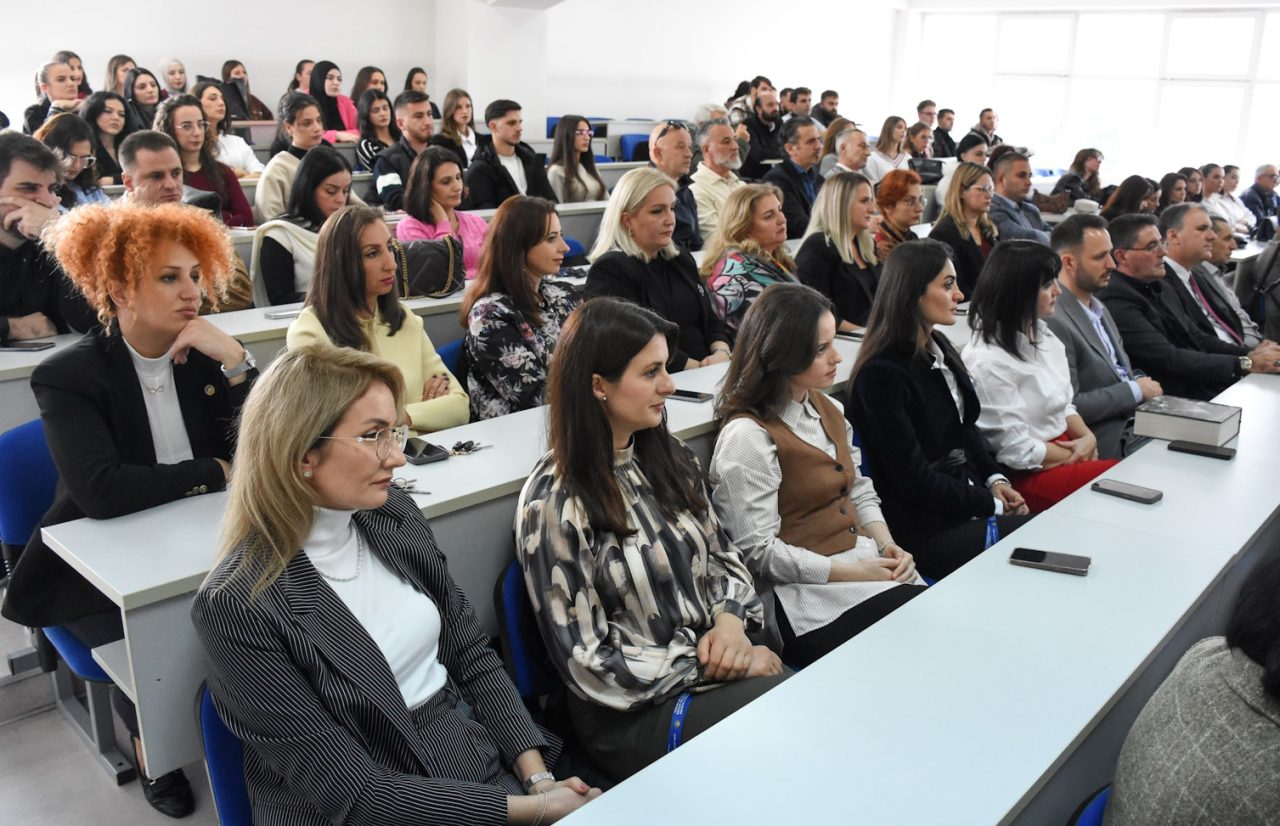
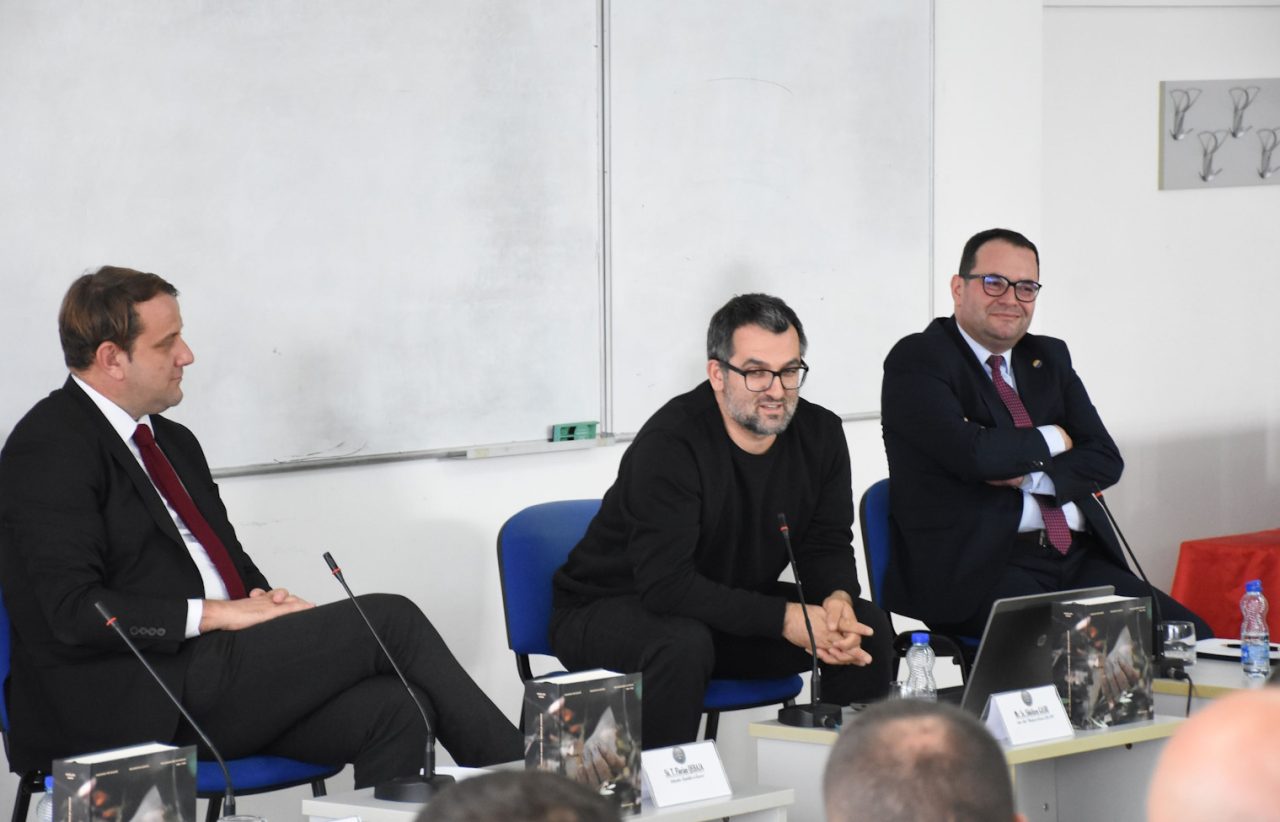
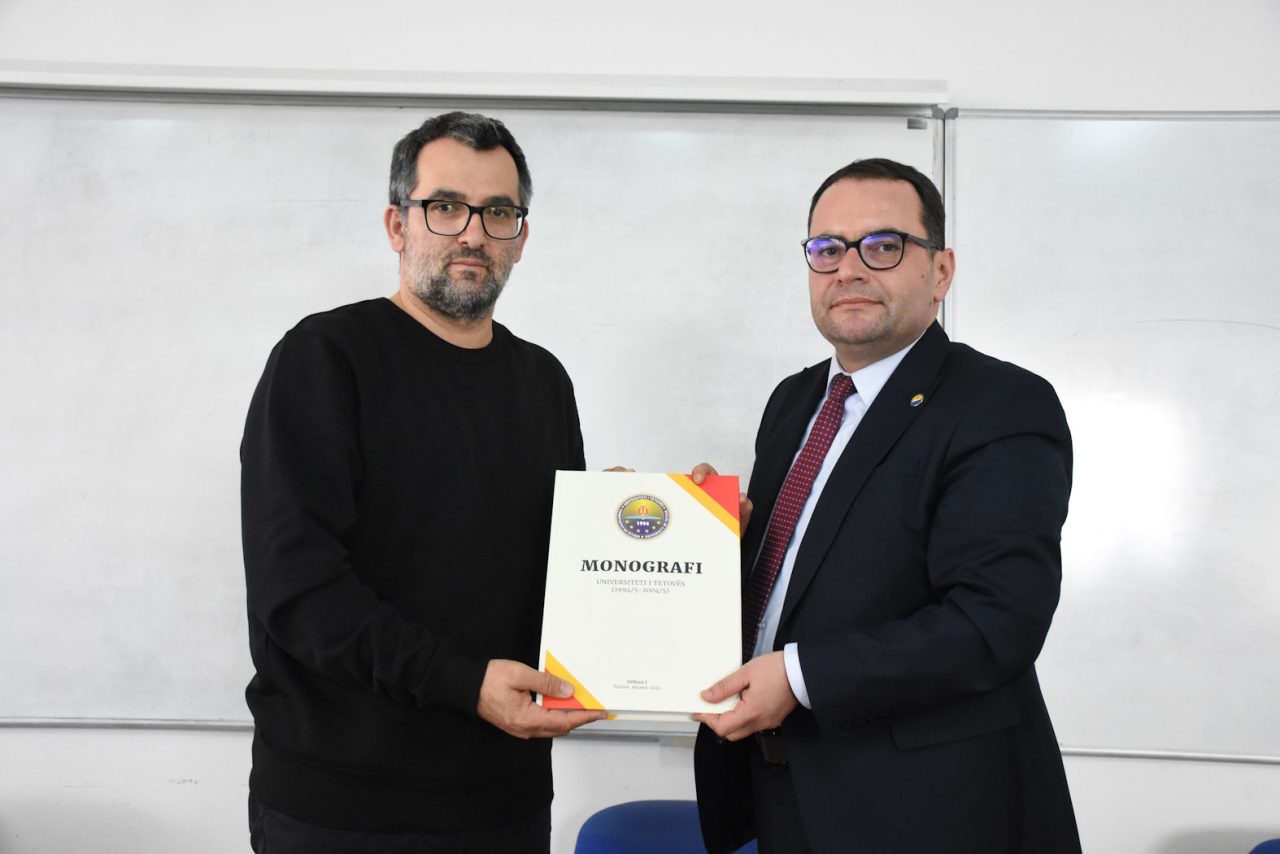
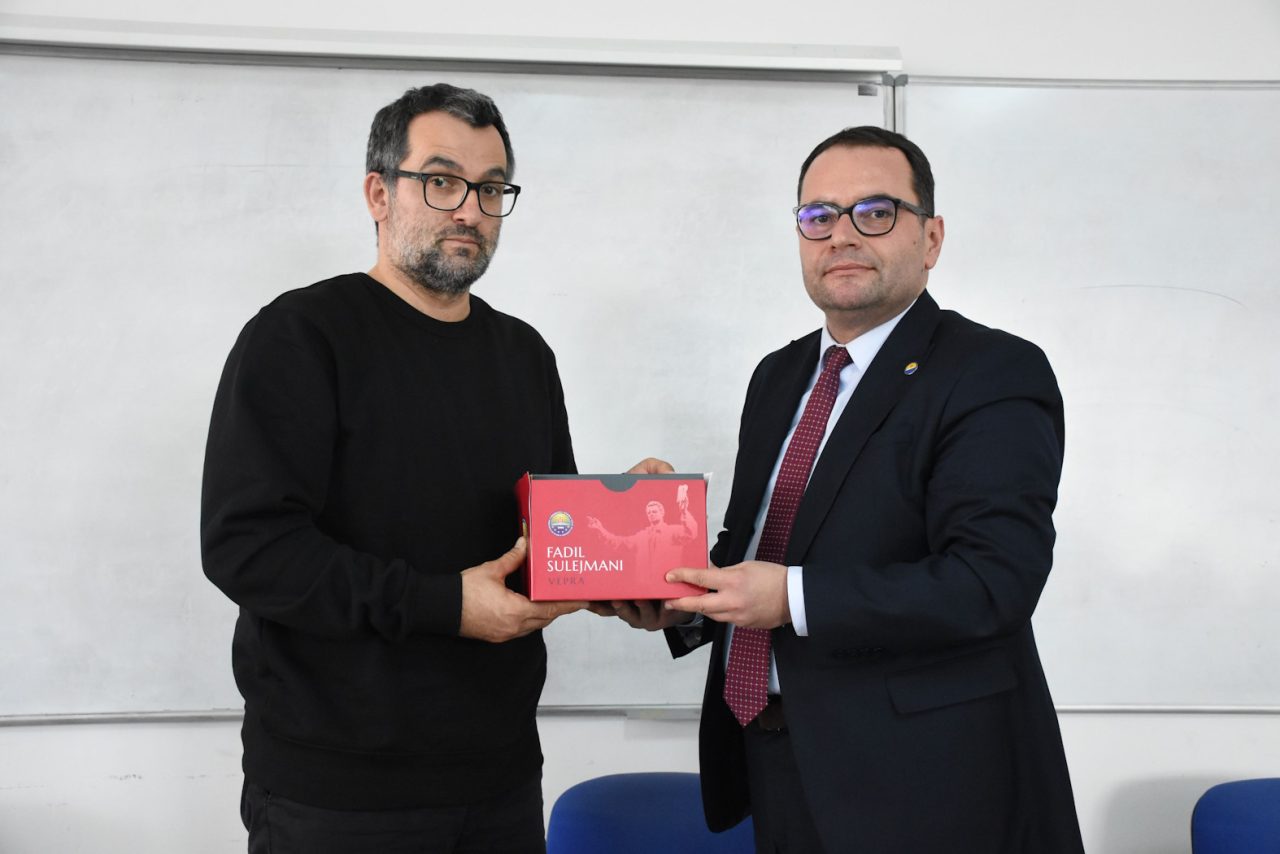
In the premises of the Faculty of Philosophy at the University of Tetova, a promotion event was held for the documentary book “Massacres in Kosovo 1998–1999” by the Kosovar researcher and publicist Shkëlzen Gashi. The work presents a detailed documentation of the crimes committed against Albanian civilians during the Kosovo War, shedding light on tragic events and providing evidence based on credible sources. Present at the event were representatives of the University of Tetova, professors, students, researchers, institutional representatives, and guests from Kosovo.
At the opening of the promotion event, the Dean of the Faculty of Philosophy, Prof. Dr. Kushtrim Ahmeti, emphasized the importance of this publication for history and academic studies, describing the book as an irreplaceable source of facts about the crimes committed against the Albanian people of Kosovo.
The Ambassador of the Republic of Kosovo to North Macedonia, Mr. Florian Qehaja, in his address, emphasized the institutional and moral obligation to shed light on historical truth and to support studies that contribute to justice and collective memory.
The Director of the Center for Peace and Transcultural Communication at the University of Tetova, MSc. Donika Kamberi, highlighted that Mr. Gashi’s work represents an important contribution to the documentation of war crimes in Kosovo. It provides verifiable facts, testimonies, and archival materials that serve not only historical scholarship but also institutions of justice and the broader social process of reconciliation. Without truth, there can be no justice, and without justice, there can be no lasting peace. She also expressed the highest regard for the University of Tetova, describing it as an institution of knowledge, identity, and Albanian intellectual resistance. UT has been and continues to be an academic center of national importance, a university that not only educates generations but also preserves, cultivates, and transmits our history, culture, and values. The scholarly work of UT researchers has made a significant contribution to uncovering historical truths and safeguarding collective memory.
The author of the book, Shkëlzen Gashi, in his address, explained the long process of research and data collection, emphasizing that this publication is the result of many years of work, archival analysis, and documentation based on official sources, international reports, and evidence from judicial institutions and human rights organizations. He highlighted that the book presents factual data on hundreds of cases of massacres committed against Albanian civilians, identifying the location, time, number, and category of victims, their affiliation, the mechanisms of execution, and information on judicial proceedings where such exist. This book is dedicated to the victims. It is an effort to ensure that historical truth remains unaltered and that future generations have a scientific, verified, and indisputable foundation for understanding what happened. The event concluded with an open discussion among the attendees, who expressed their appreciation for the author’s scientific rigor and the importance of addressing such topics within academic environments.