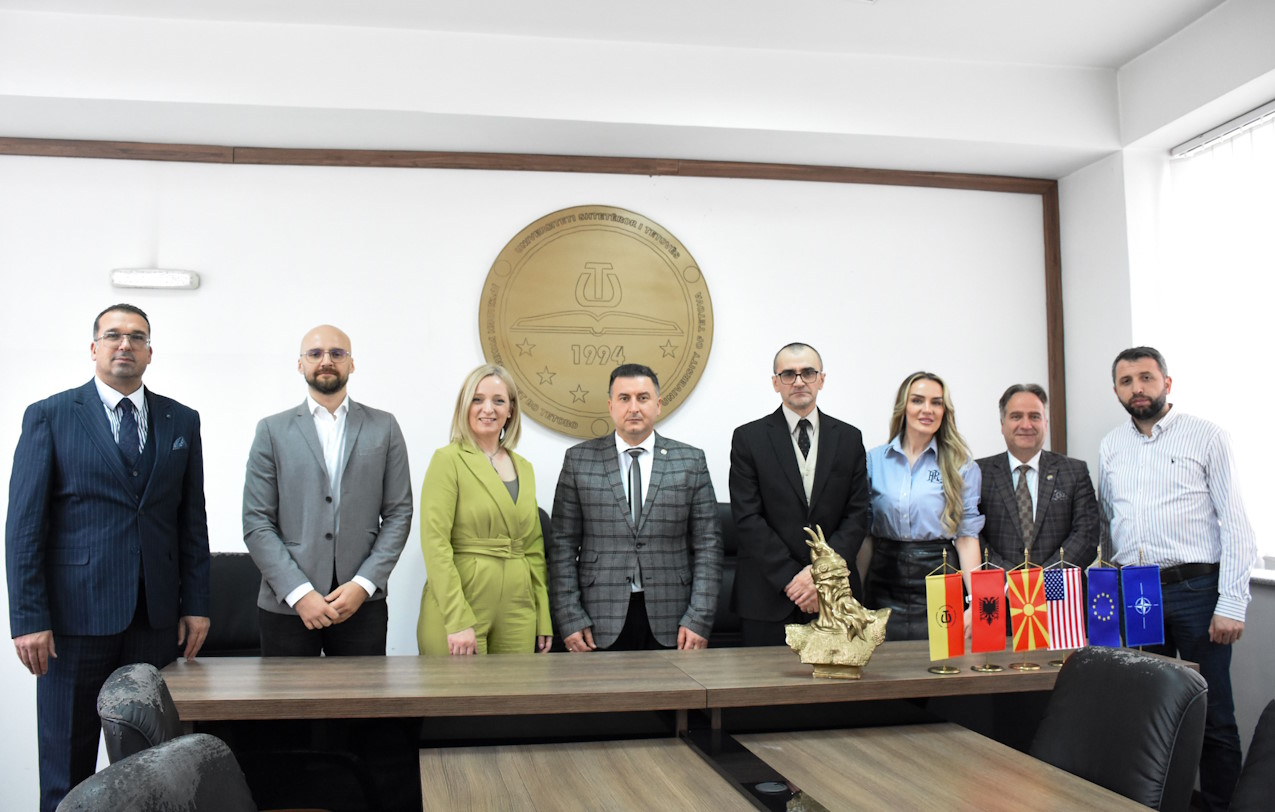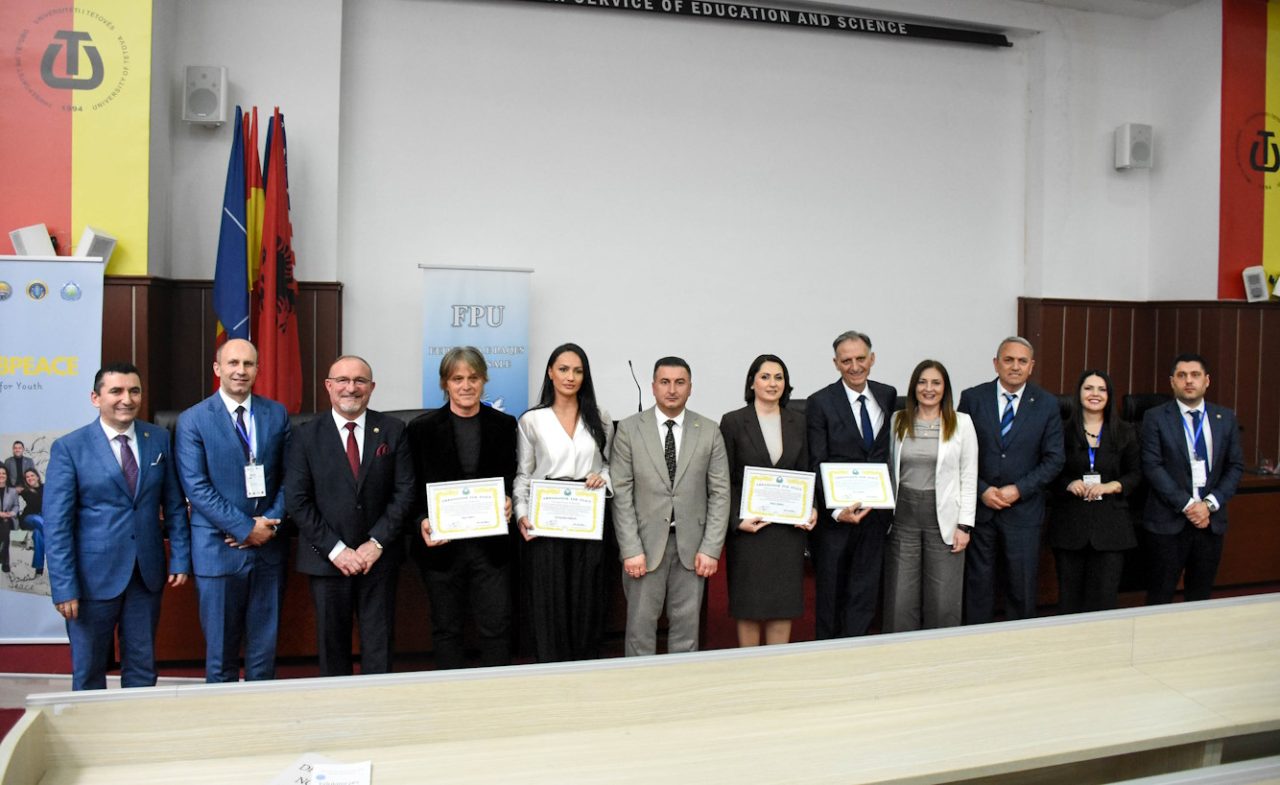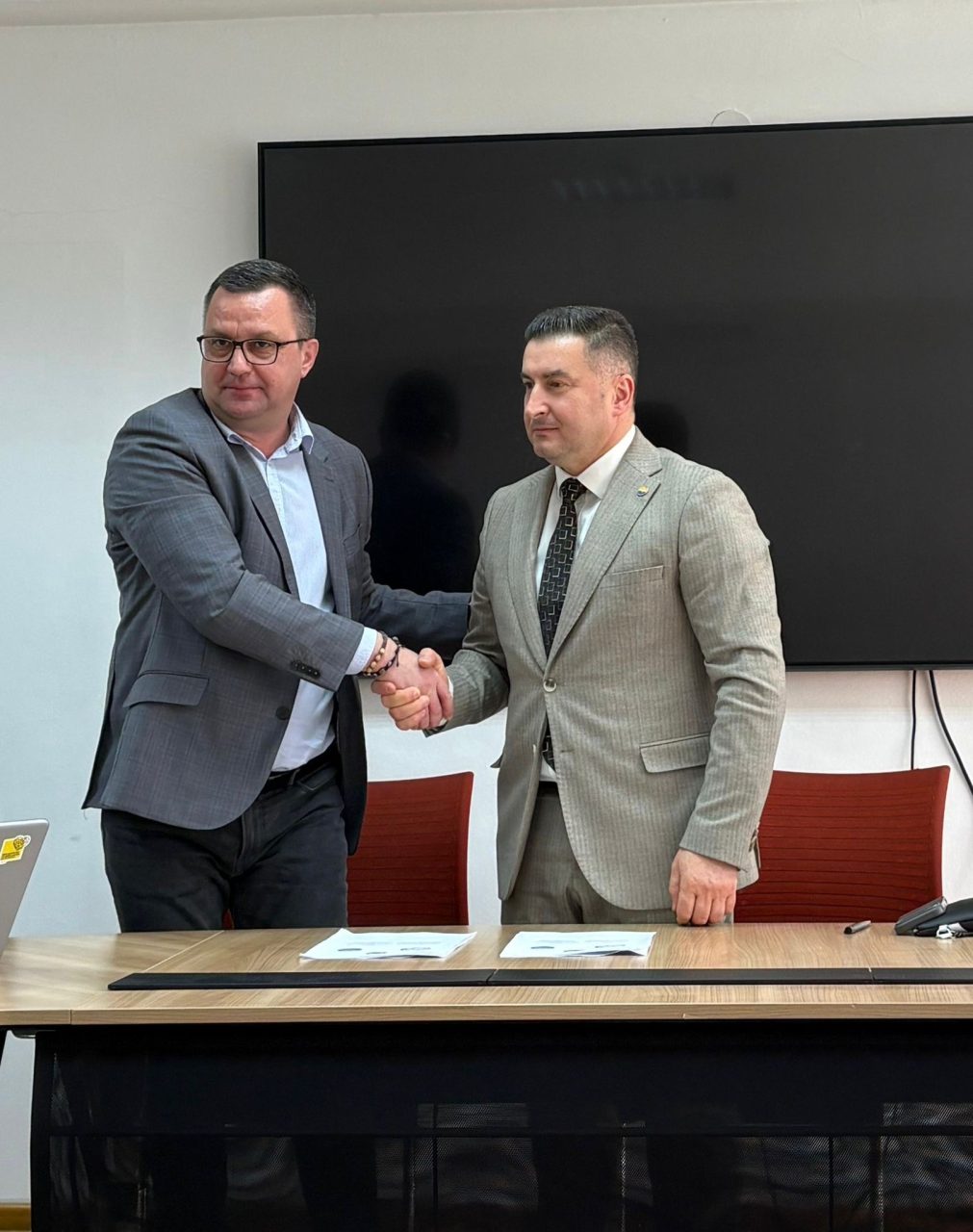
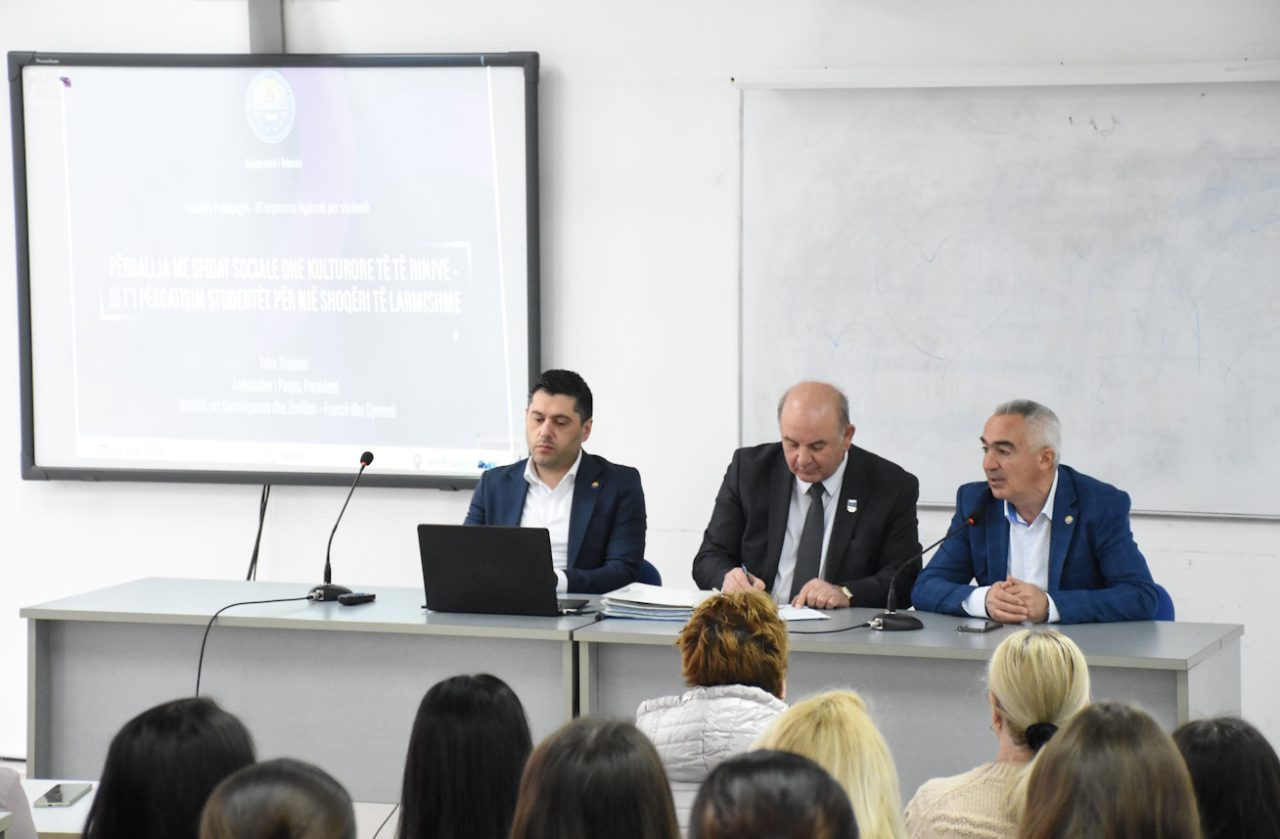
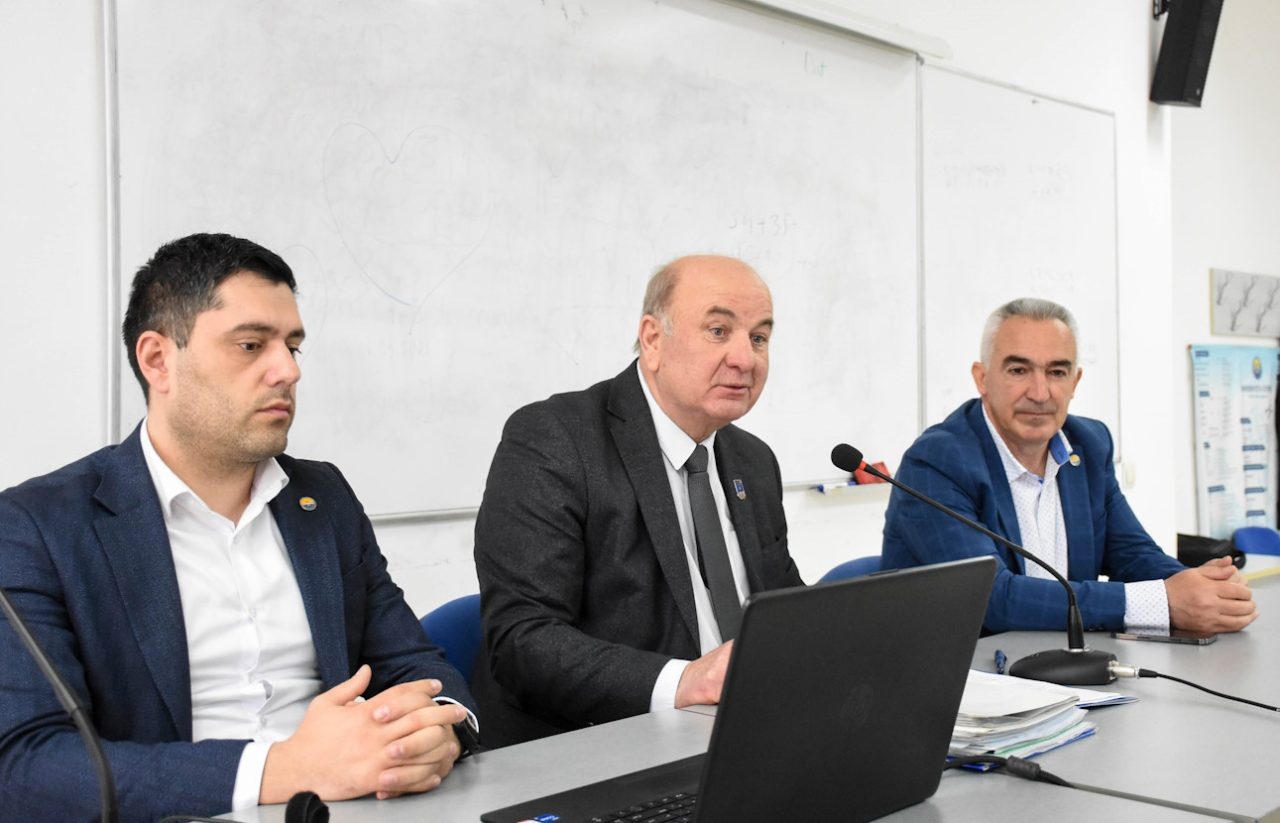
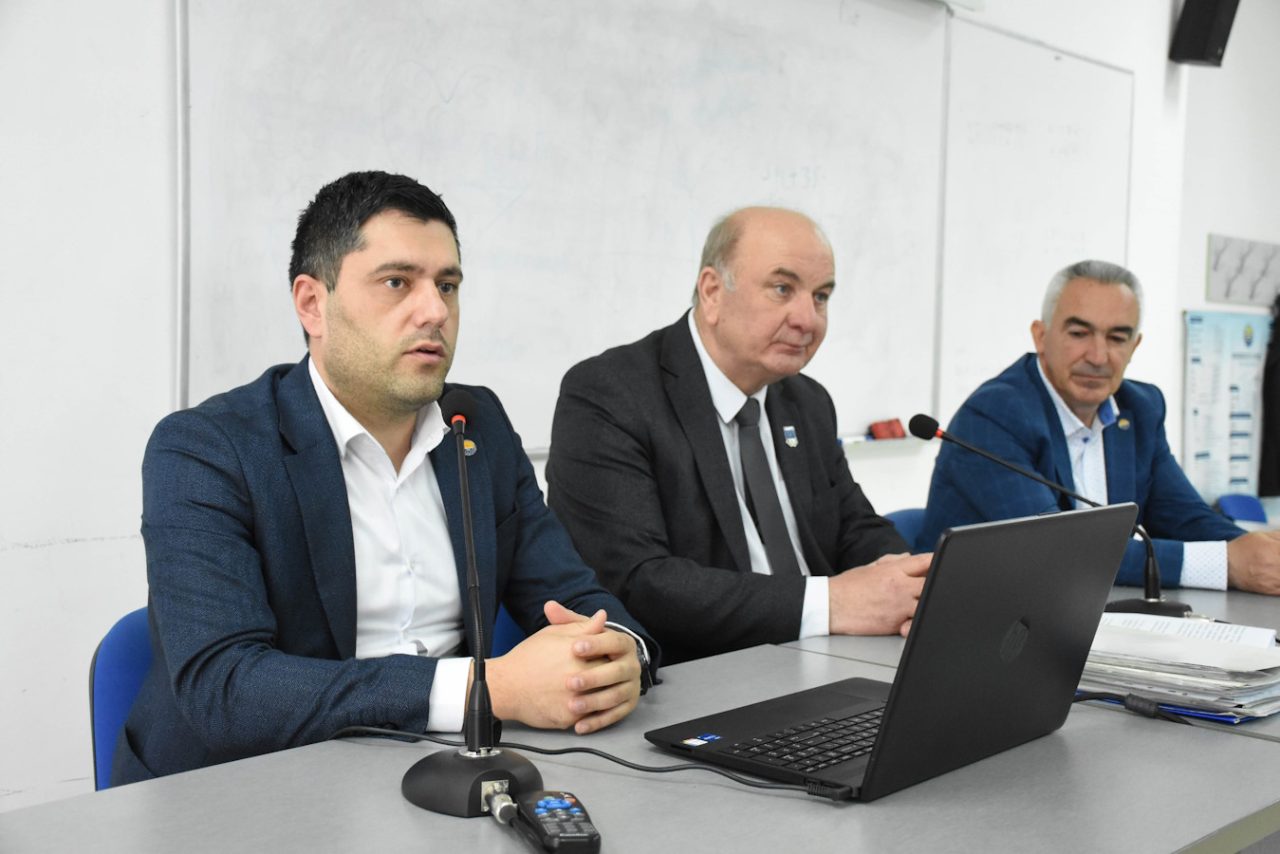
At the Faculty of Pedagogy of the University of Tetova, the Ambassador of Peace, namely the President of the Institute for Cooperation and Development – France and Geneva, Mr. Tahir Shabani, delivered a lecture on the topic: “Facing the social and cultural challenges of youth – How to prepare students for a diverse society”.
Dean of the Faculty of Pedagogy, Prof. Dr. Lulzim Mehmedi, emphasized in his speech that it is a special honor and great pleasure that today, within the premises of the Faculty of Pedagogy, we have among us a distinguished personality of diplomacy and social engagement. “In a world that is rapidly changing, where physical borders are fading and cultural diversity has become part of our everyday life, the role of the teacher and educator is being transformed. Education is no longer just the transfer of knowledge, but the building of bridges. Our mission is to shape generations who are not afraid of change, but embrace it with tolerance and maturity. Mr. Shabani brings today an international perspective from the centers of global diplomacy, Geneva and France, to show us how the values of cooperation and development can be integrated into our academic and professional journey”, said the Dean of the Faculty of Pedagogy, Prof. Dr. Lulzim Mehmedi.
In his lecture, Mr. Tahir Shabani spoke about confronting social and cultural challenges as an essential part of shaping young people in today’s world. We live in an increasingly diverse society, where interaction with different cultures, ideas, and perspectives is inevitable.
Preparing students for this reality requires more than theoretical knowledge. It requires the development of skills such as critical thinking, empathy, intercultural communication, and the ability to collaborate with others, regardless of differences. Universities and educational institutions have a key role in this process by creating inclusive spaces, encouraging dialogue, and promoting respect for diversity. Cultural diplomacy and academic cooperation play an important role in connecting universities with each other and with society. Through these processes, sustainable partnerships are created between institutions, enabling the exchange of knowledge, experiences, and best practices. These collaborations are important not only at the institutional level, but also for the students themselves. They contribute directly to professional and personal development by exposing students to different cultures and new ways of thinking. As a result, students are better prepared to act in an increasingly global world, where cooperation, diversity, and flexibility are essential for success. Cultural diplomacy and academic cooperation build bridges between universities, where the exchange of knowledge and best practices shapes students ready for a borderless world”, stated Mr. Tahir Shabani.
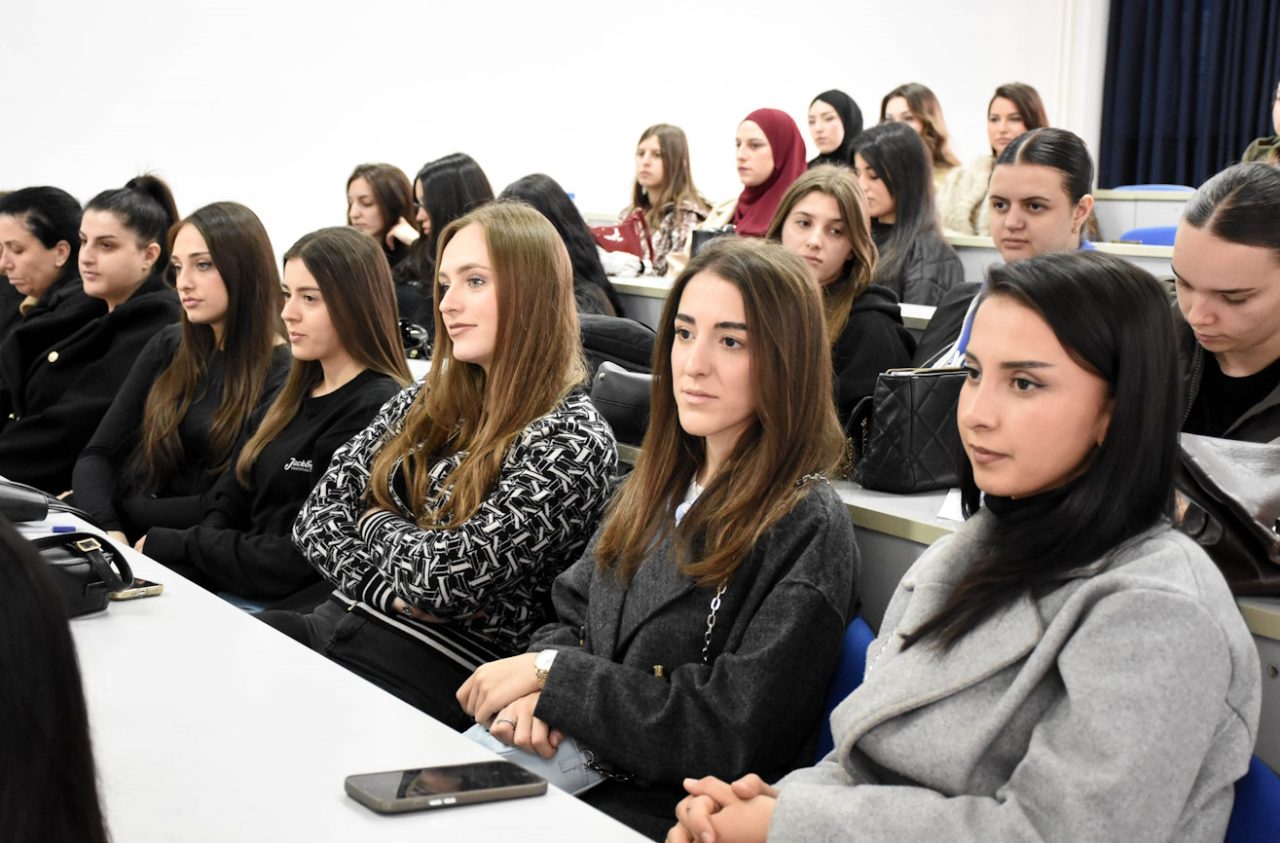
Professors, experts in the respective field, and a considerable number of students participated in this event, following the lecture with interest and engaging in interactive discussions. During the lecture, the need to develop skills such as critical thinking, empathy, intercultural communication, and collaboration was emphasized, as these are essential for personal and professional success. Additionally, was discussed the role of educational institutions in creating inclusive spaces and in fostering dialogue and understanding among different cultures.