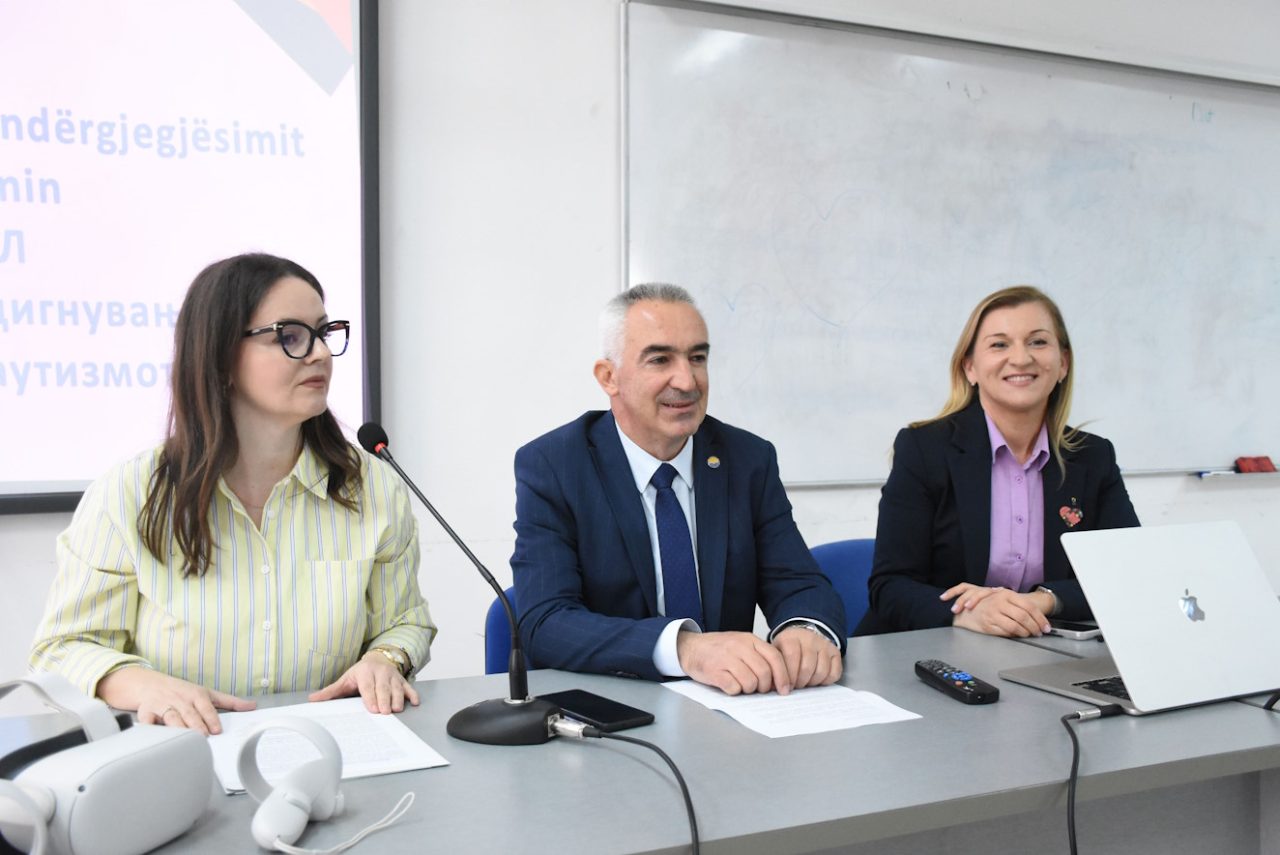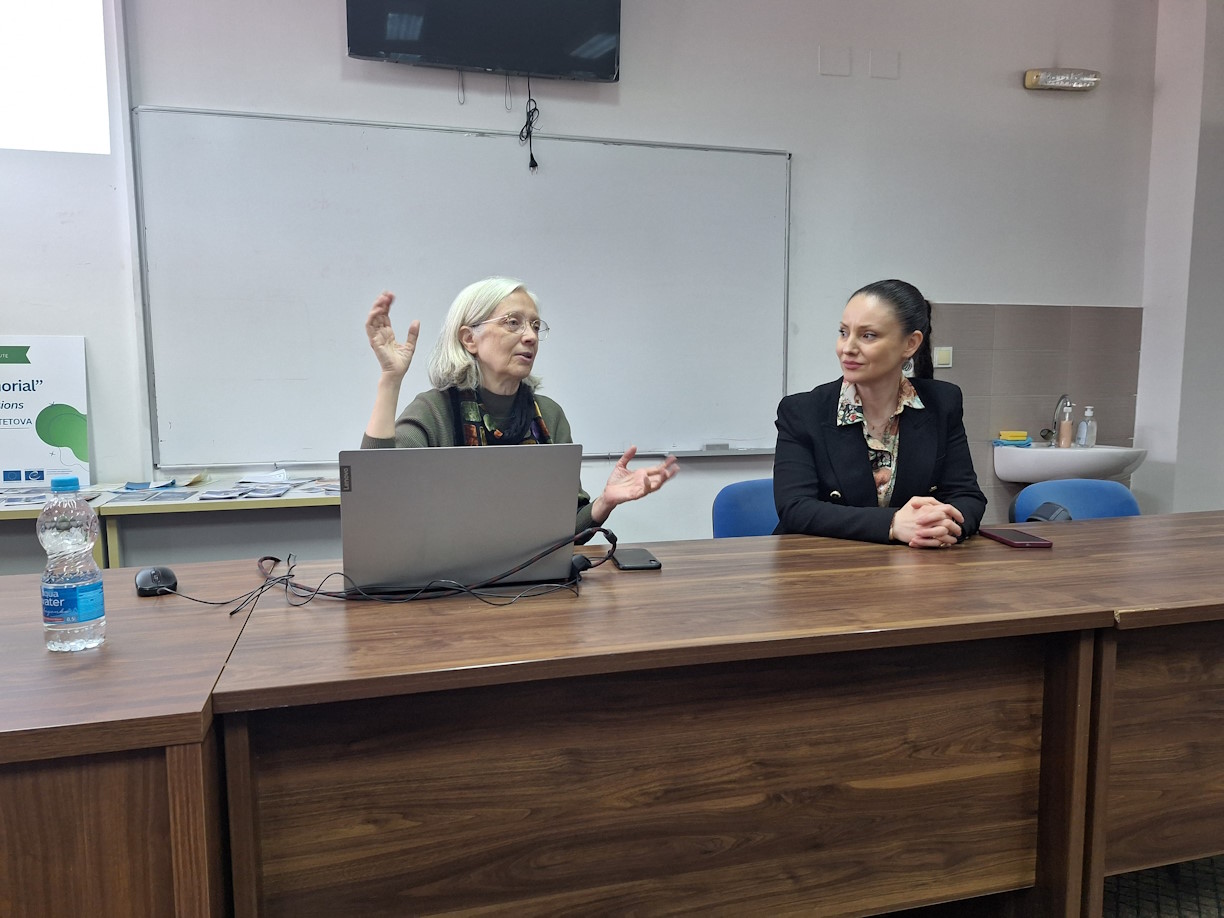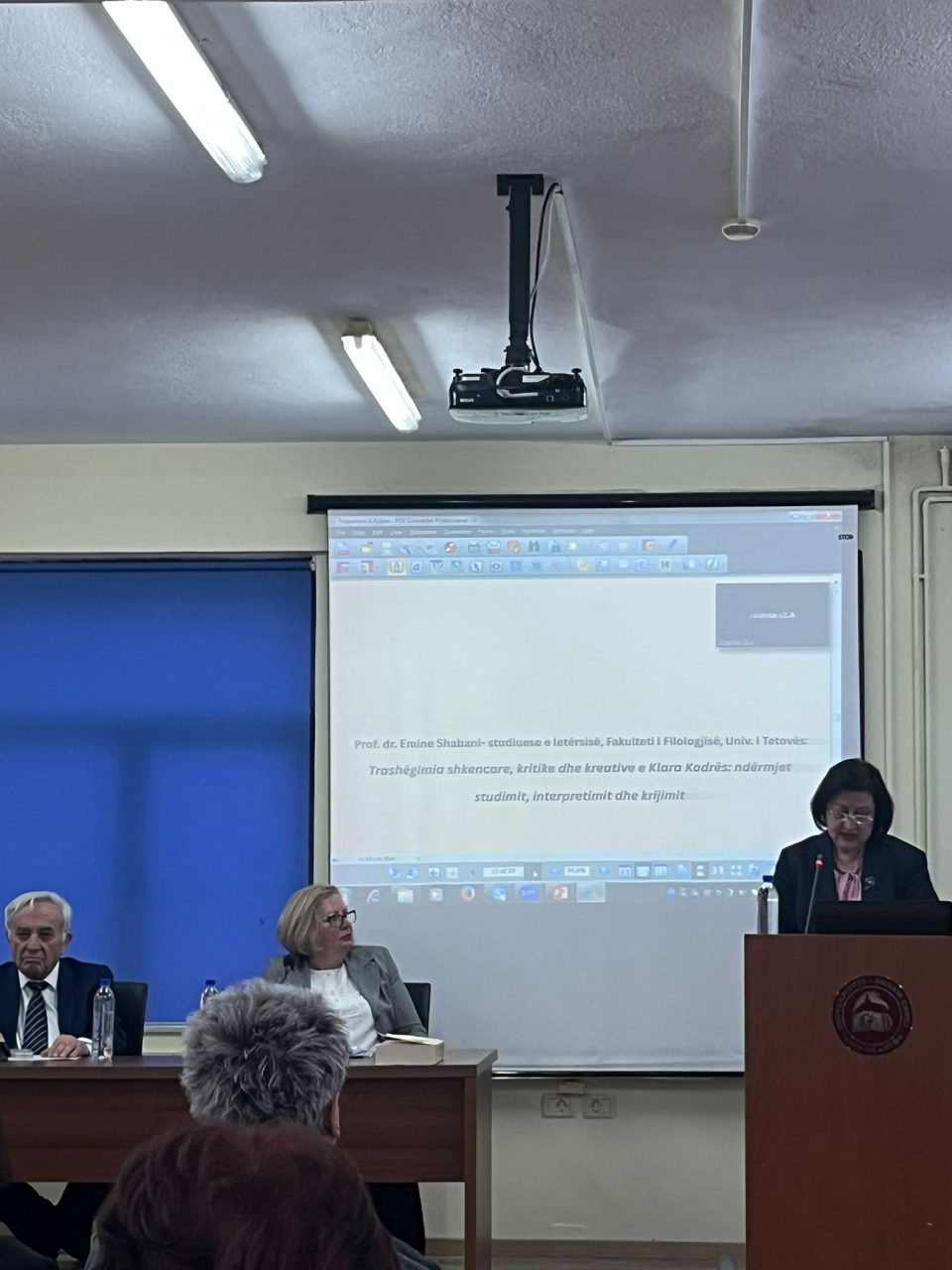
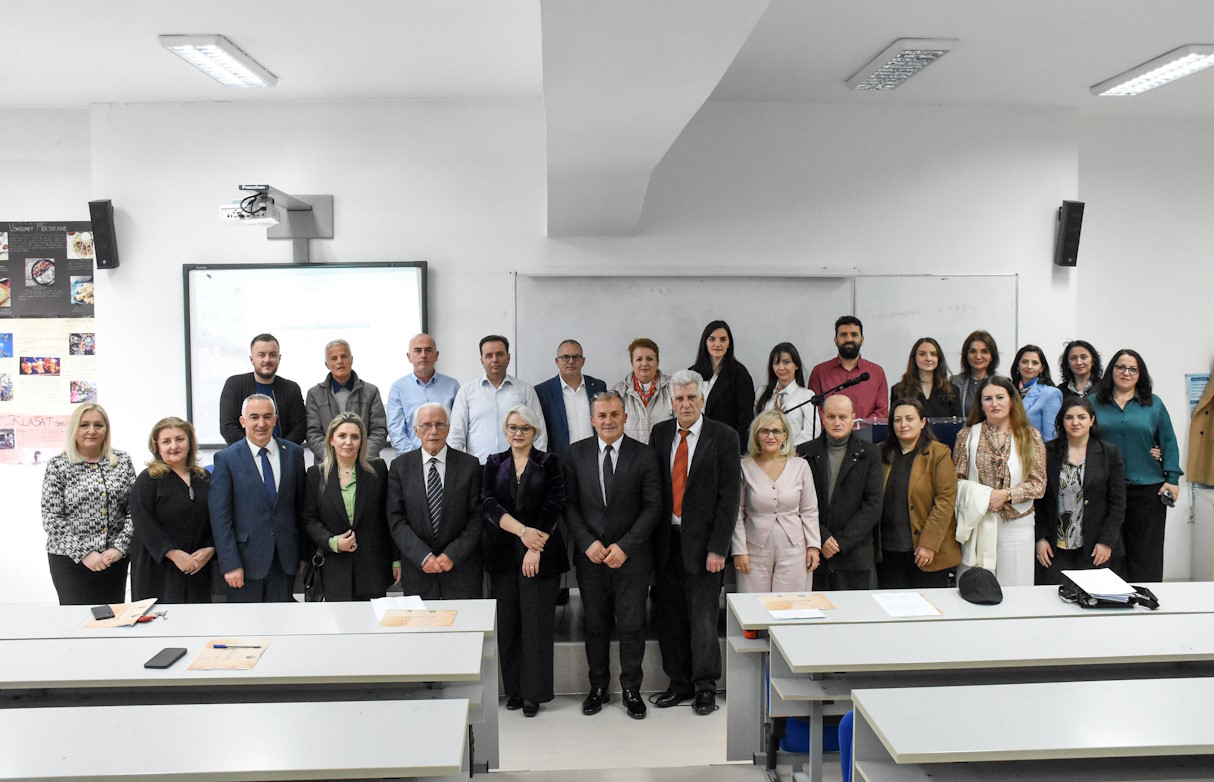
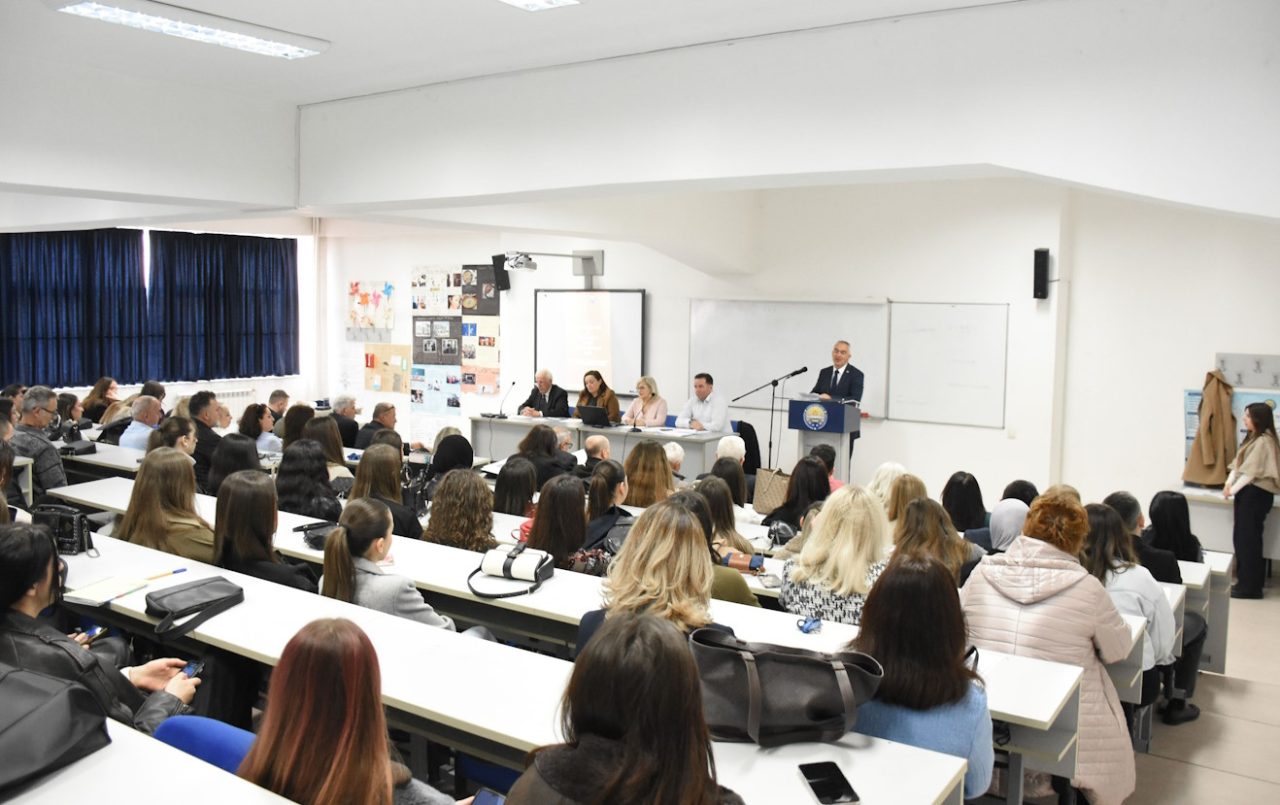
Faculty of Pedagogy of the University of Tetova, in cooperation with the Association of Pedagogues – Tetovo, organized the Second Scientific–Professional Conference “Education Yesterday, Today and Tomorrow”, in which participated university professors, researchers, and teachers from the field of education.
The conference was opened by the Dean of the Faculty of Pedagogy of the University of Tetova, Prof. Dr. Lulzim Mehmedi, who in his speech emphasized the importance of education and the role of the teacher in contemporary society. He stated that, “this conference builds a bridge between tradition and the challenges of modern times. The education of yesterday was a mission; that of today is a professional and institutional responsibility; while the education of tomorrow requires strategic vision”. According to him, in a time of technological transformations and artificial intelligence, the teacher is not only a transmitter of knowledge, but also a mentor, guide, and builder of 21st-century competencies.
President of the Association of Pedagogues – Tetovo, Naim Kurtishi, praised the cooperation with the University of Tetova, emphasizing the importance of preparing new cadres who will contribute to improving the quality of education. Among other things, he highlighted the importance of Teachers’ Day and the role of education in the development of society, expressing gratitude and appreciation for teachers who give light to our children, who will be the bearers of the future.
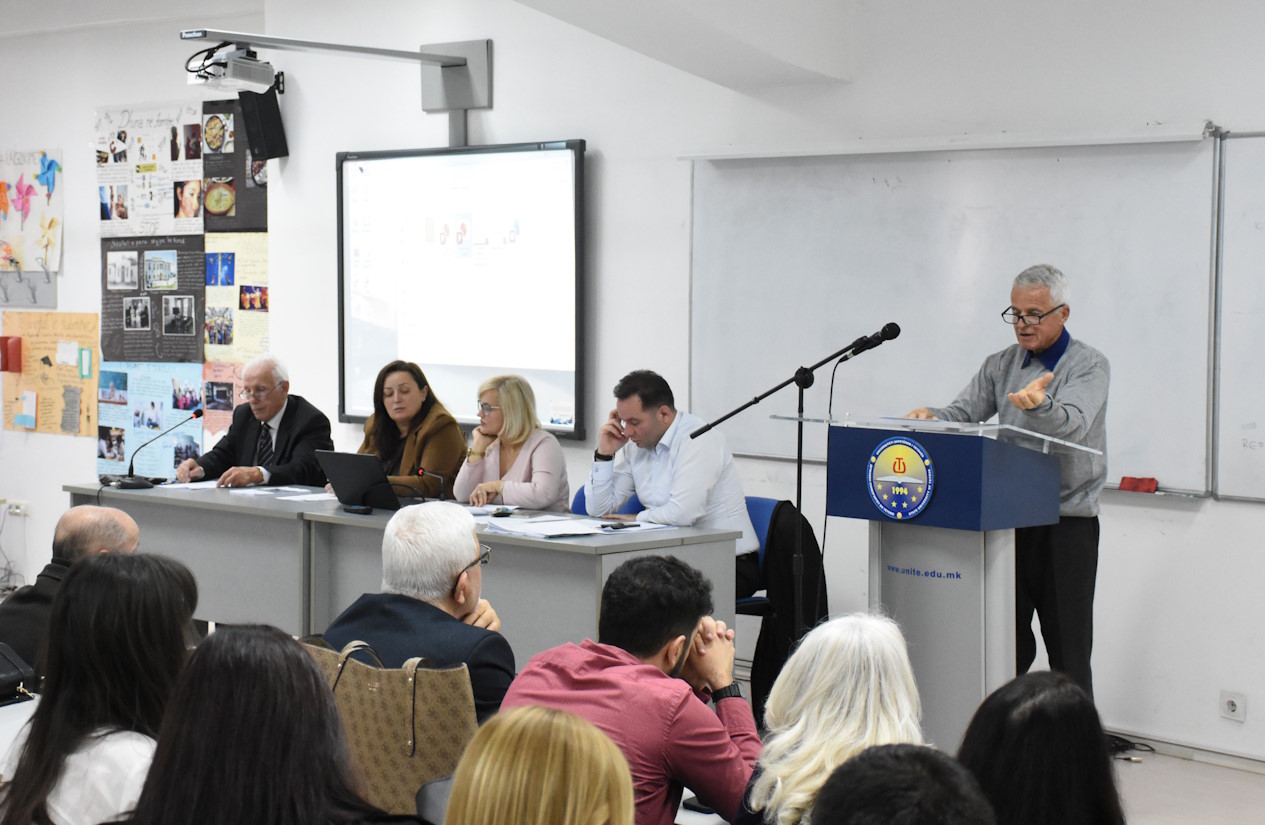
The conference proceedings began with the presentation of Prof. Dr. Xheladin Murati, titled “Pedagogical Futurology between Challenges and Expectations”. In his presentation, he emphasized that the development of education should be viewed within a temporal continuity—from the past, through the present, toward the future. Referring to historical documents and data, he underlined that over the years the school system has recorded significant achievements and successes. According to him, contemporary pedagogical theory is based on the concept of ‘learning how to learn,’ placing the student at the center of the educational process. In this context, he also presented several pedagogical methods, such as the Delphi method, the S method, the compact method, and the trimming method, through which he explained the importance of futurological pedagogy in anticipating future developments in education.
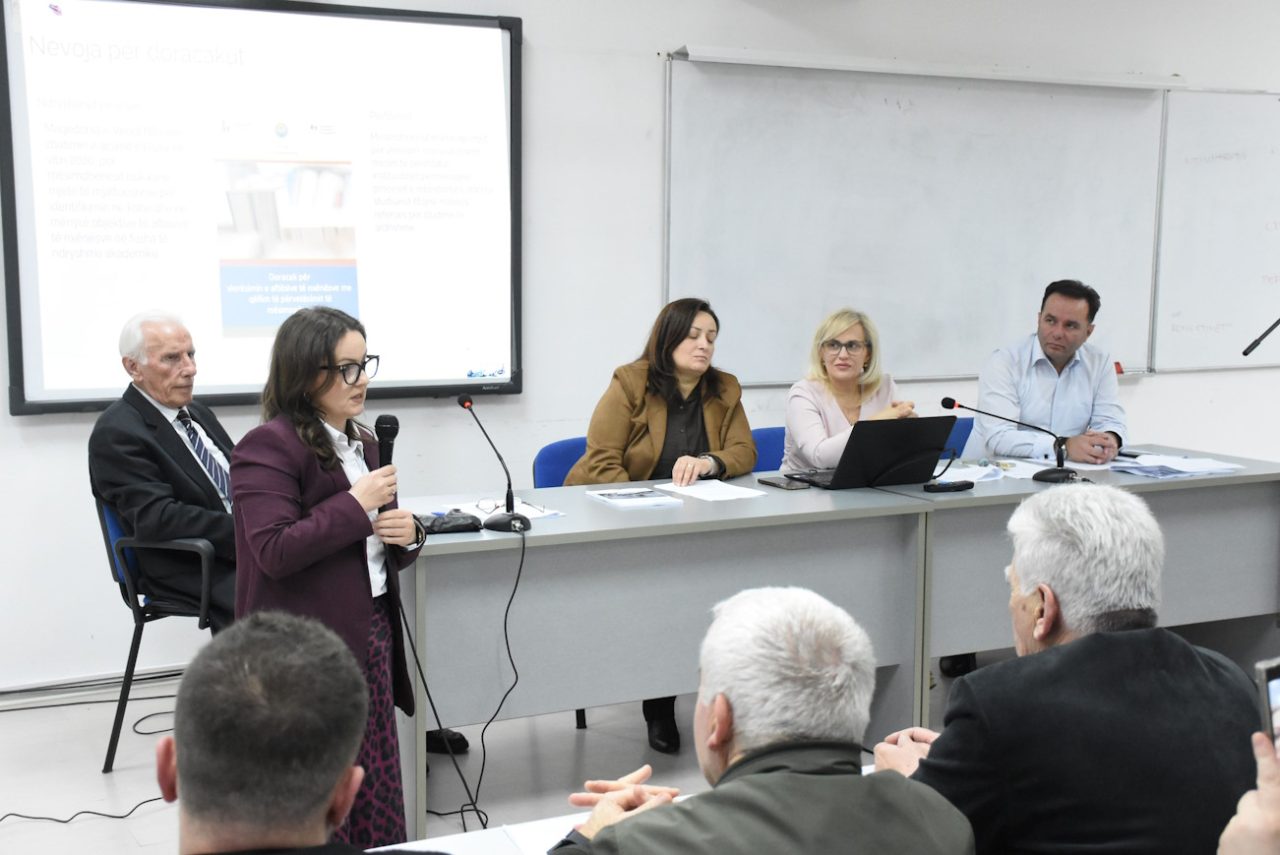
During the conference, presentations were also delivered by Prof. Dr. Lulzim Mehmedi and Prof. Dr. Makfirete Ameti, Mr. Belgizar Kryeziu and Valbona Bunjaku, Prof. Dr. Besa Havziu-Ismaili and Assoc. Prof. Dr. Afërdita Iljazi-Hoxha, Assoc. Prof. Dr. Bajram Selmani, Prof. Dr. Teuta Ramadani-Rasimi, Prof. Dr. Arita Agai, as well as by other researchers in the field of education.
The conference concluded with discussions on the topics addressed, while the organizers emphasized that this activity contributes to advancing scientific debate and to the development of contemporary practices in education.