
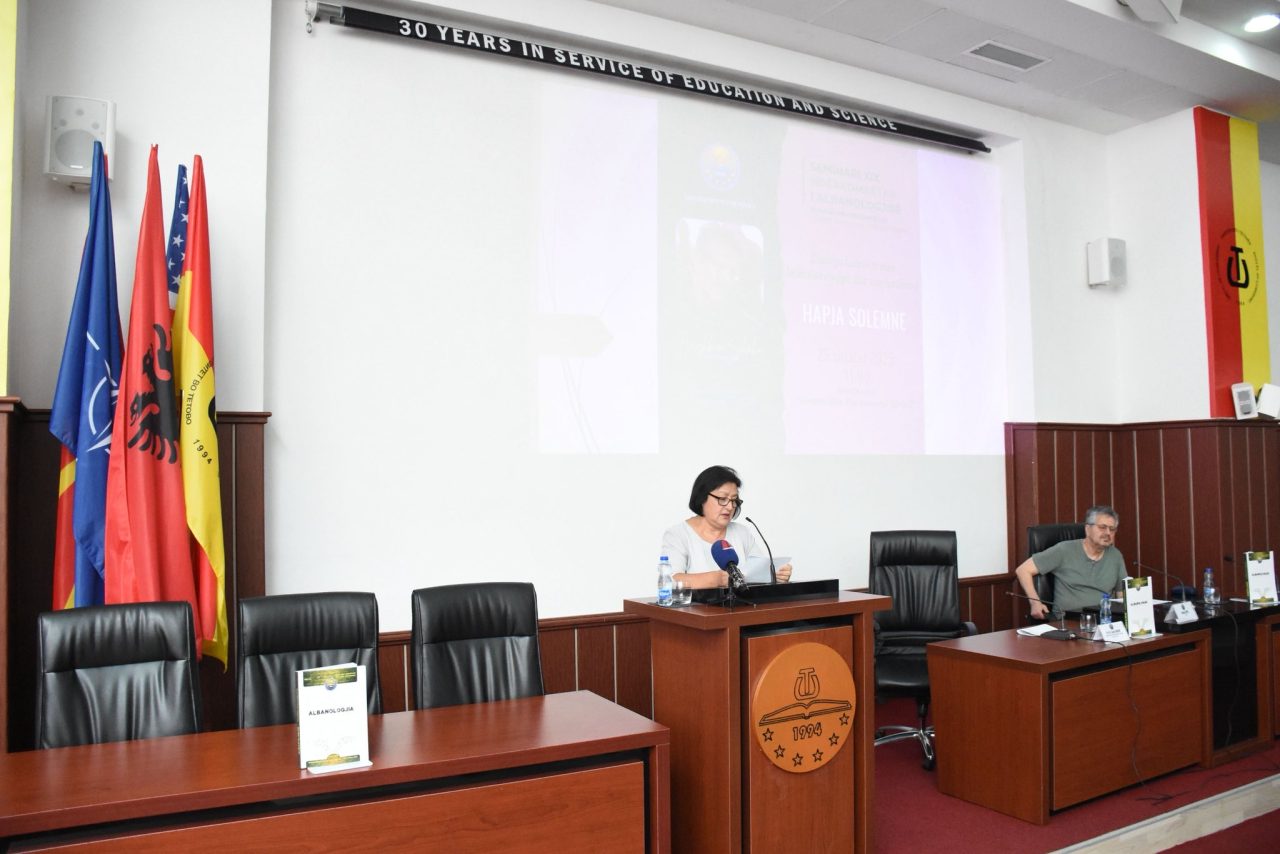
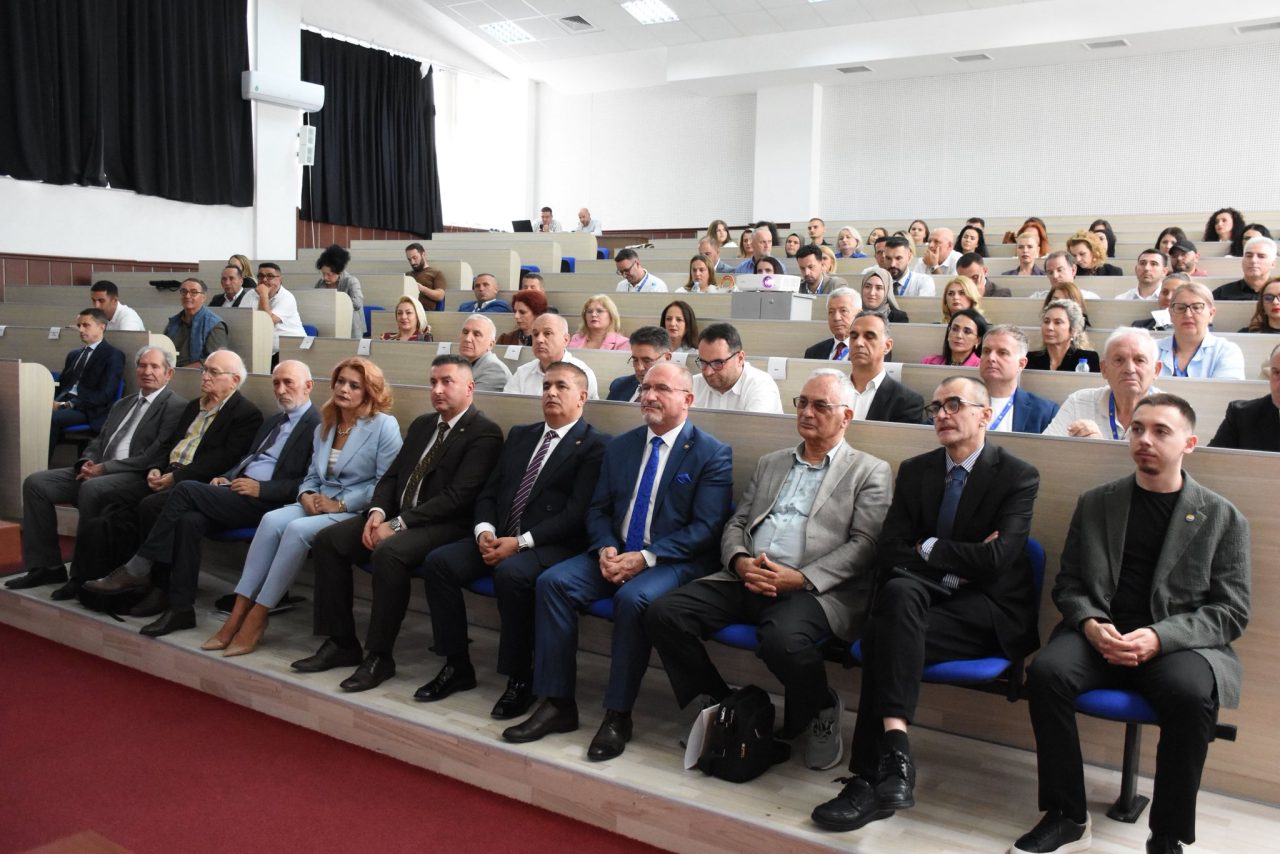
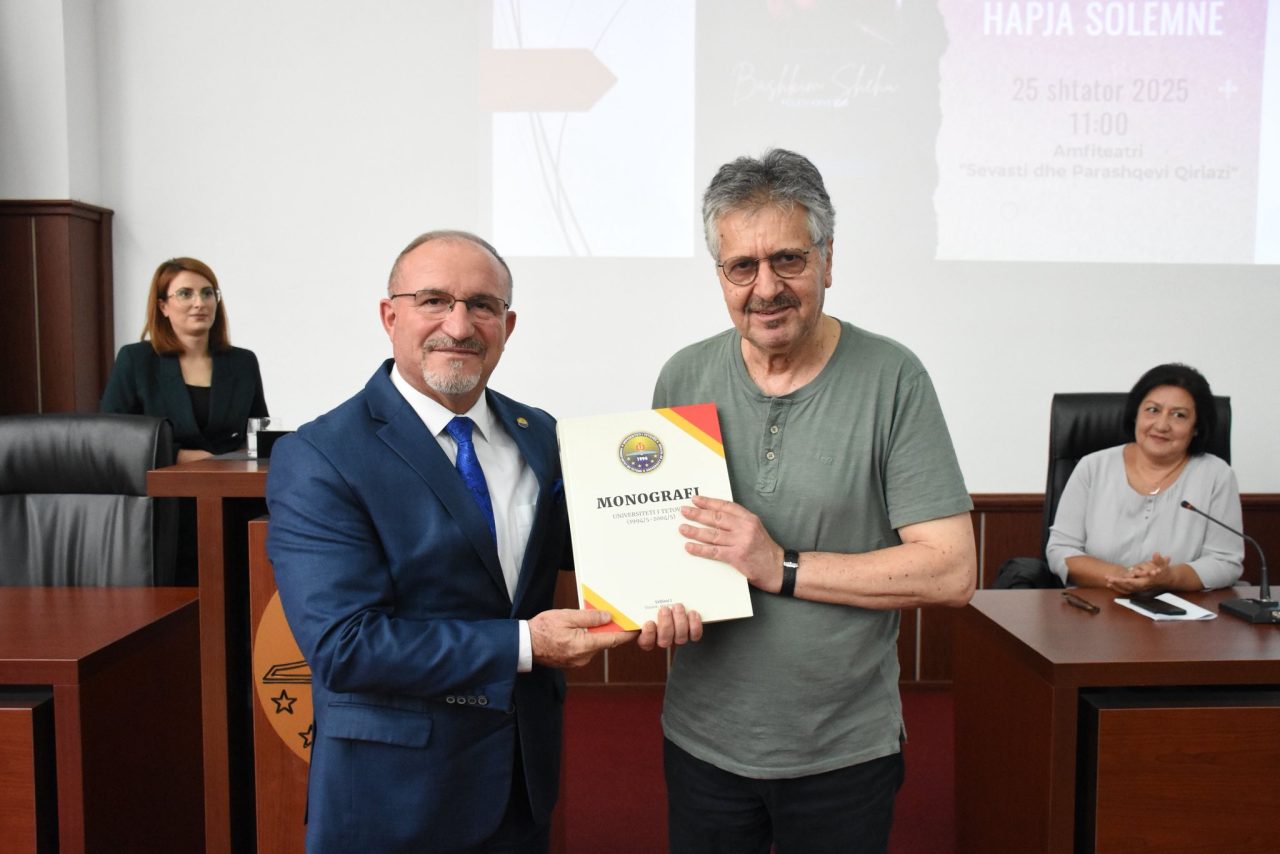
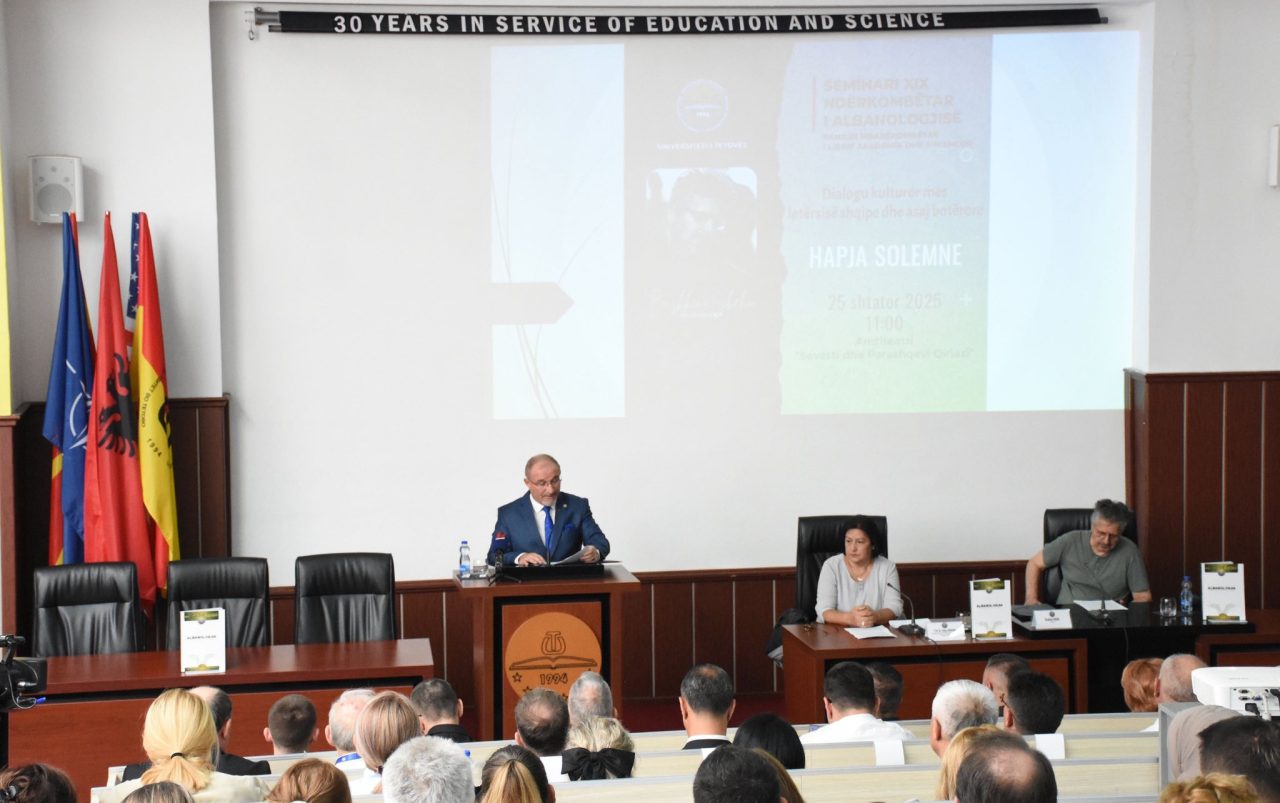

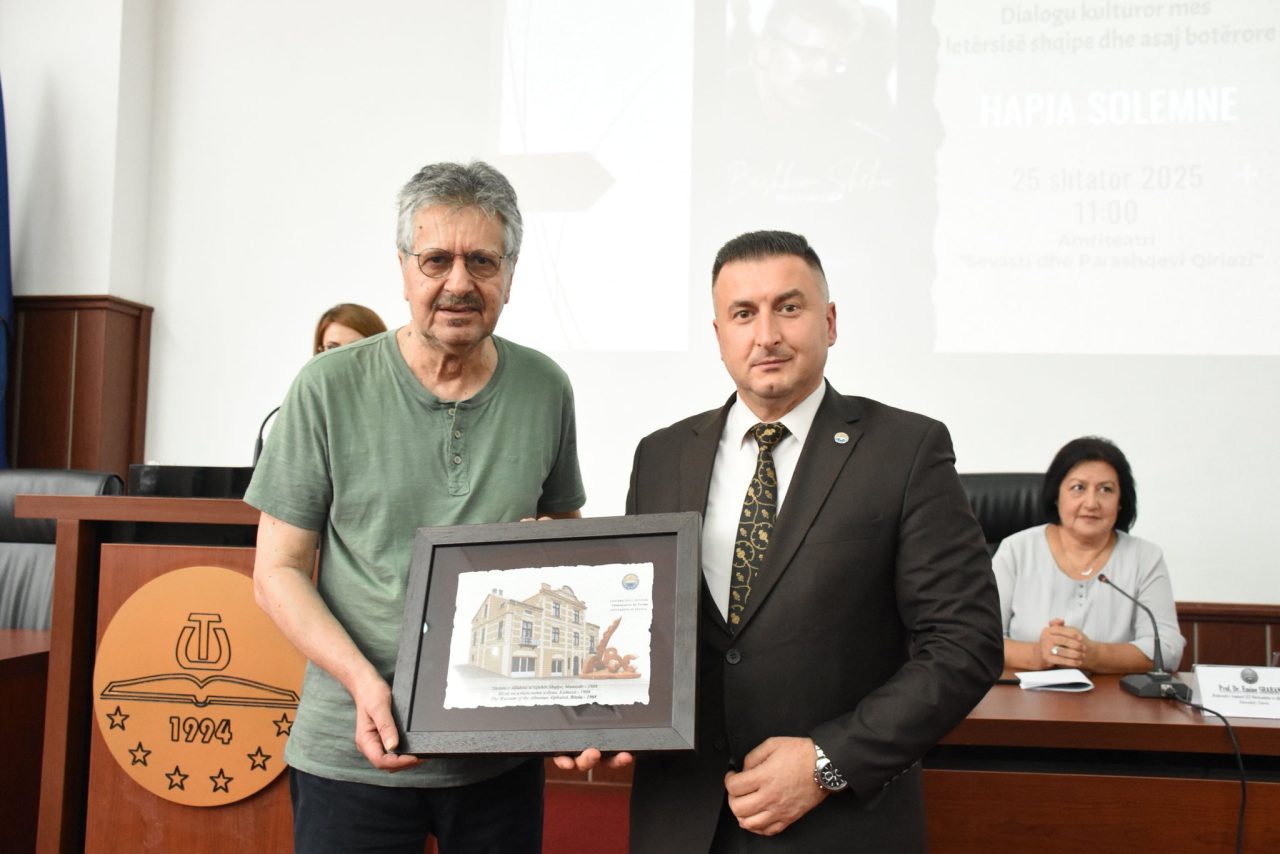
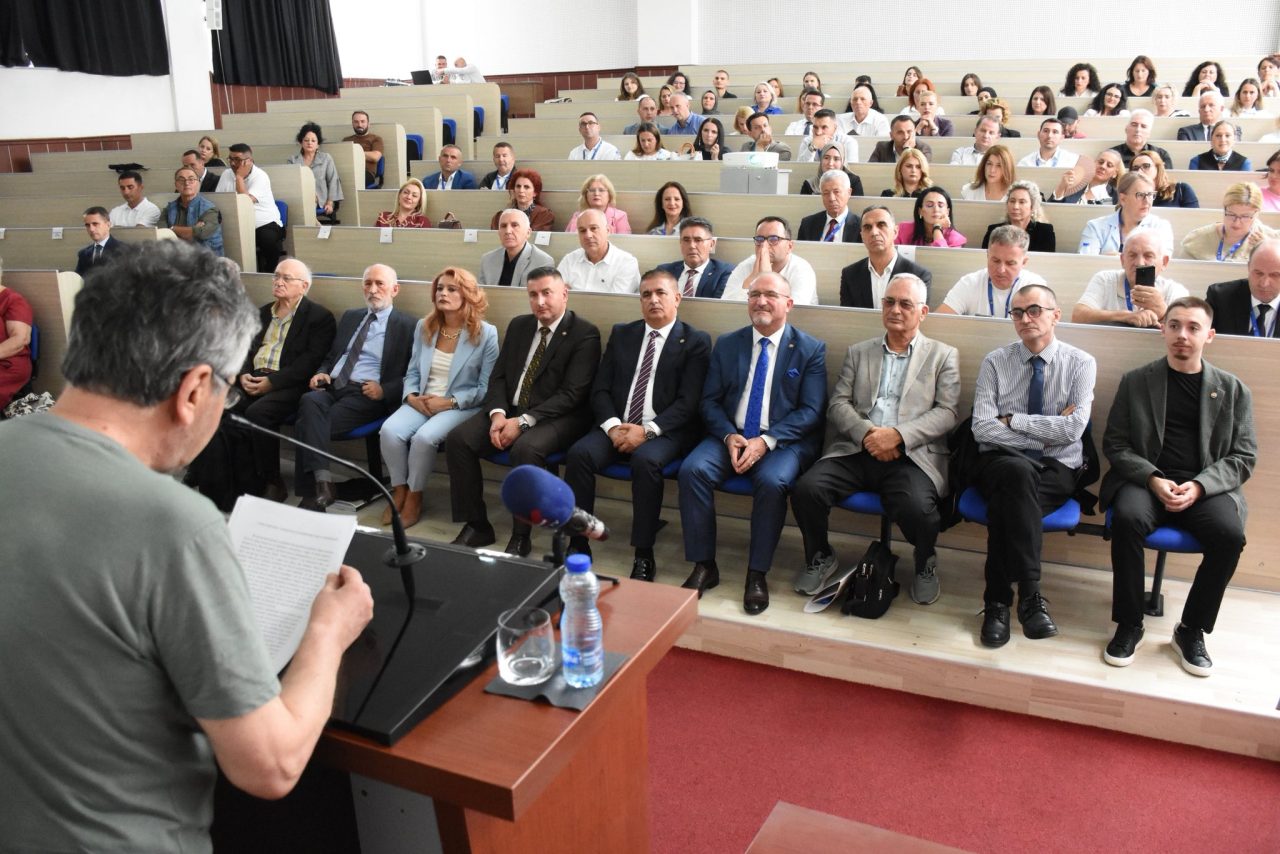
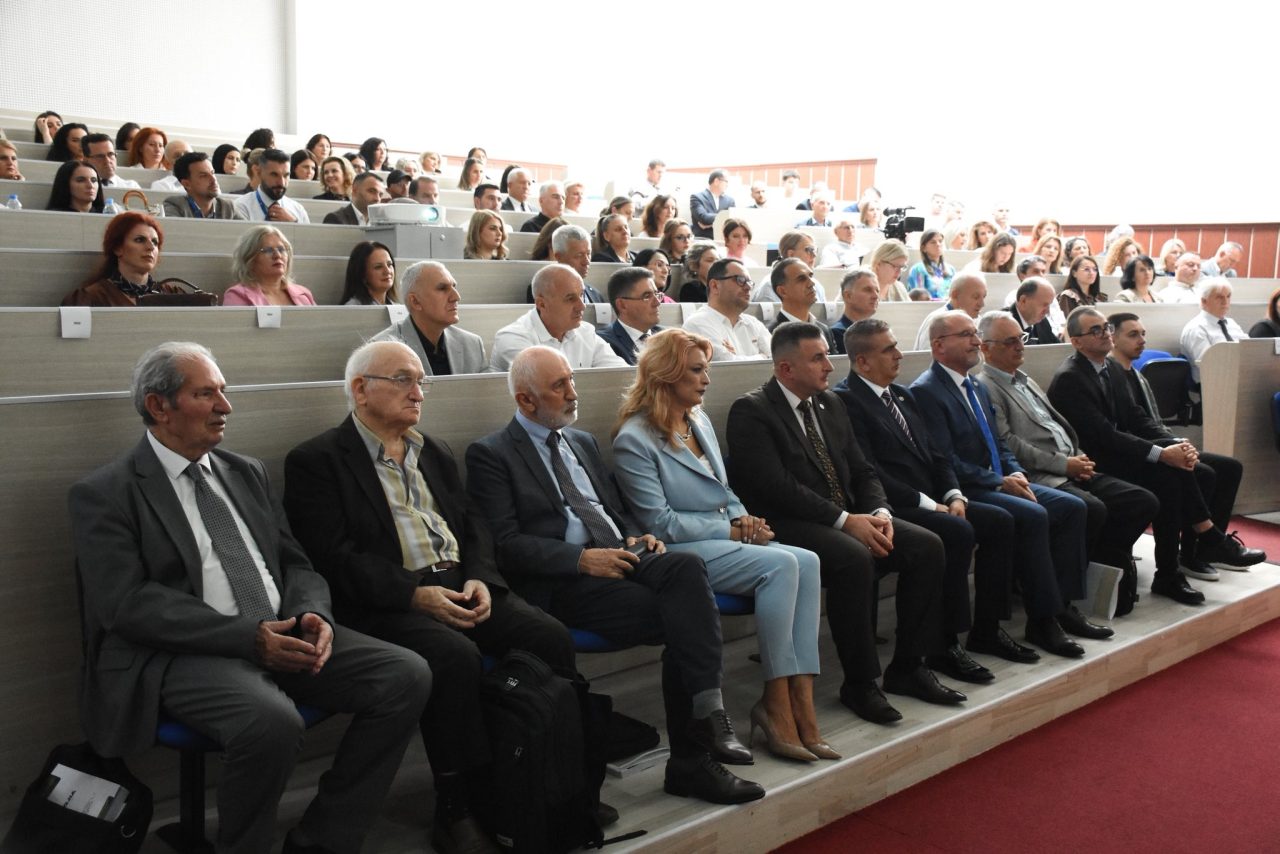
At the University of Tetova, today were conducted the proceedings of the XIX edition of the International Albanology Seminar, which was held with the topic “Cultural dialogue between Albanian Literature and World Literature.” As part of the seminar was also opened, the National Academic and Scientific Book Fair, showcasing the latest publications in the field of scientific and university studies.
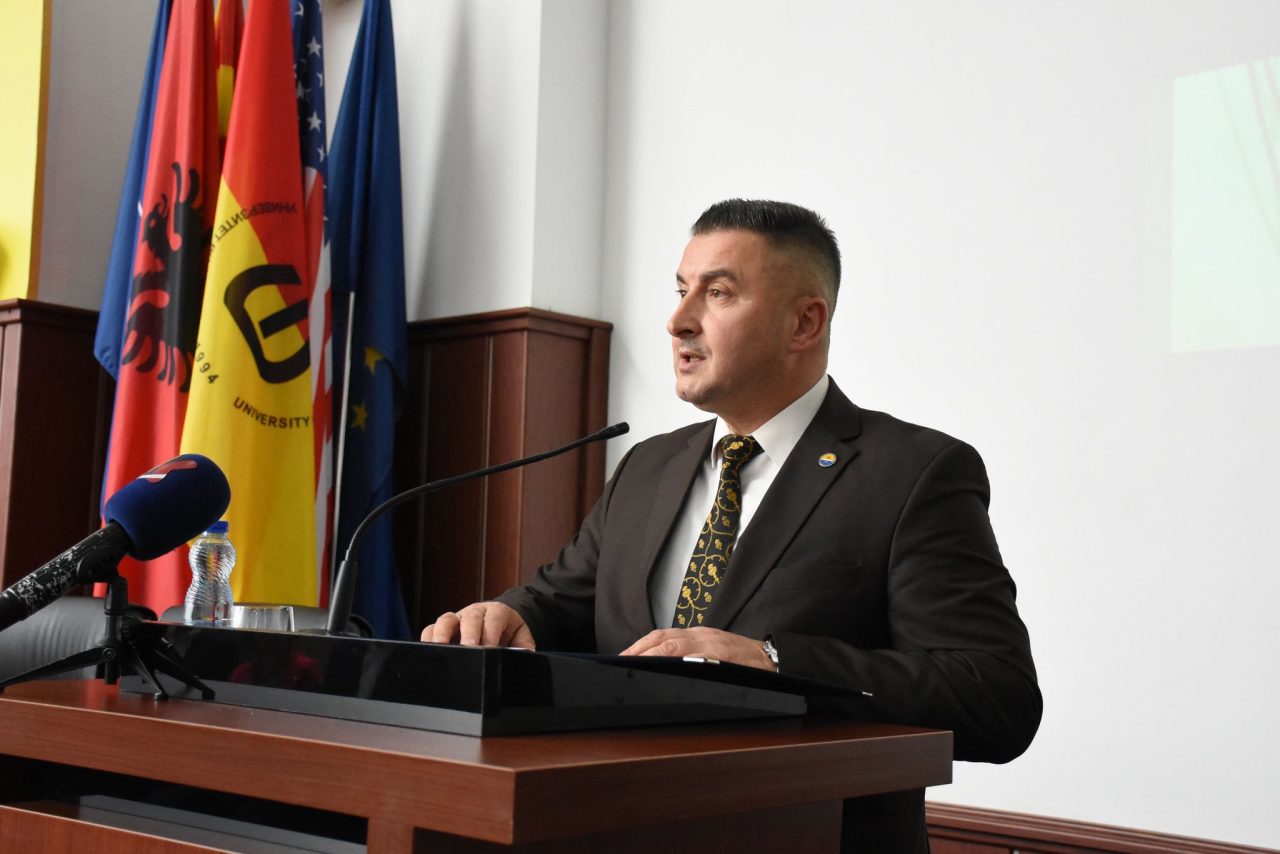
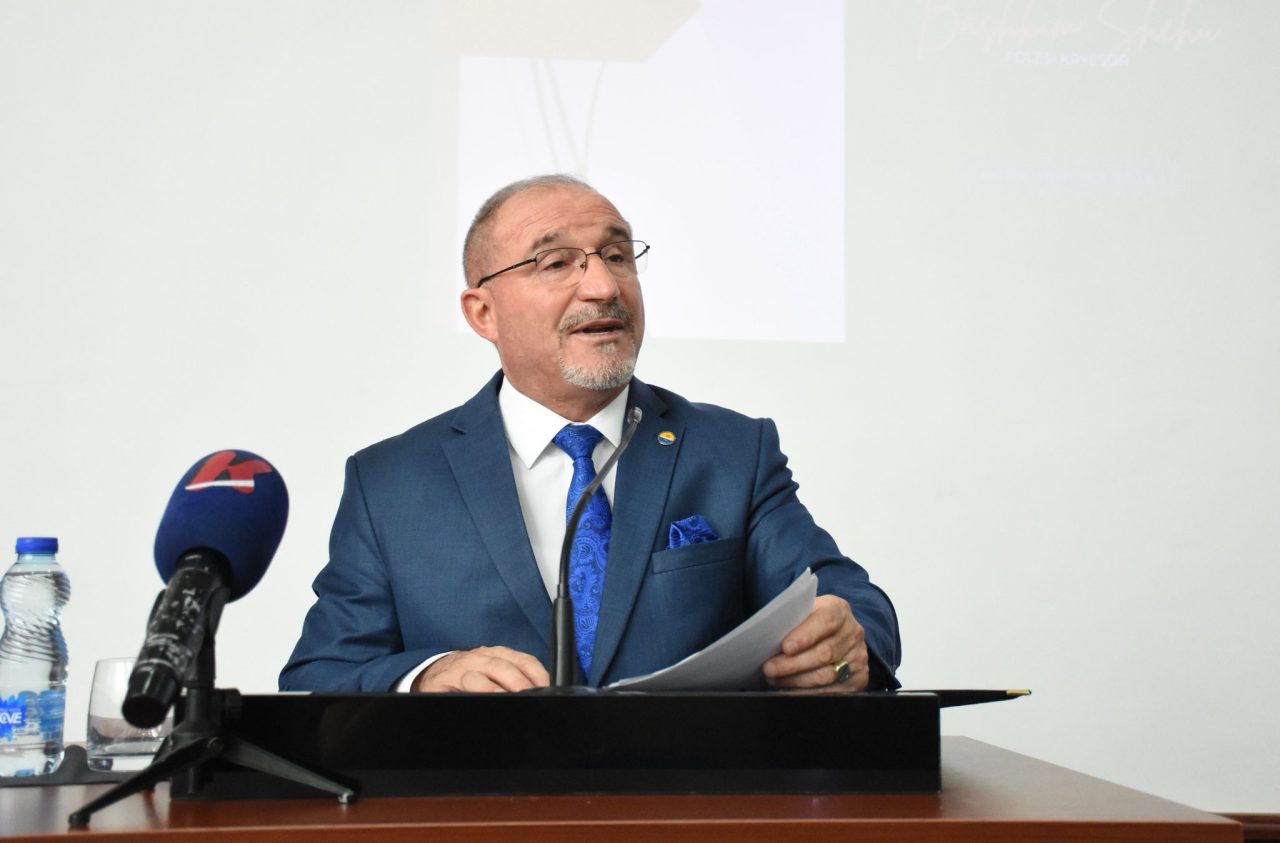
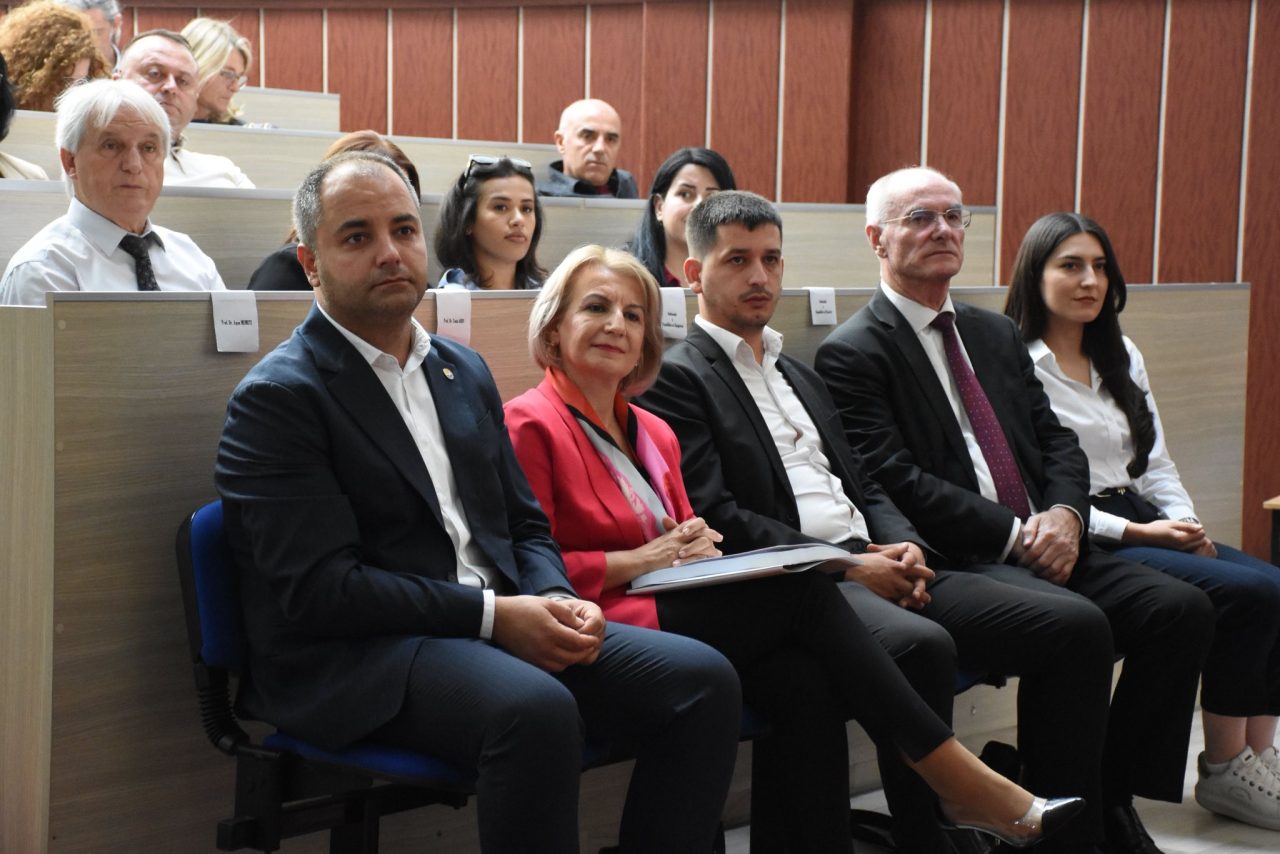
The solemn opening was held at the Amphitheater”Sevasti and Parashqevi Qiriazi”, with the participation of professors, researchers, and guests from the country and the region. The Rector of the University of Tetova, Prof. Dr. Jusuf Zejneli, in the opening of this edition’s proceedings, emphasized that the Seminar of Albanology has always been a hub where scholars of the Albanian language, literature, history, culture, and media come together to present, discuss, and debate scientific and cultural issues related to the field of Albanology.
“This dialogue is essential because it creates bridges between the literary traditions and critical thinking of both Albania and the international community, enriching our literature and positioning it on the global cultural map. In this context, the dialogue between Albanian literature and world literature appears as a necessary dimension of the seminar, highlighting not only the mutual influences and relationships but also the unique value of Albanian literature, which, through this dialogue, is positioned and becomes part of the global literary and academic discourse”, declared Prof. Dr. Jusuf Zejneli.
Speaking about the importance of the Seminar, the Vice-Rector for Science, Prof. Dr. Vullnet Ameti, expressed that over the years, the International Seminar of Albanology at the University of Tetova has been preserved with fervor and unwavering loyalty, in order to avoid creating a cultural vacuum and to maintain this commitment and scholarly gathering in coherence. “I am pleased that this meeting brings together not only literary figures and linguists but also scholars from other fields. The more time passes, the more I am convinced that Heidegger was right when he said: “Language is too important to be left only to linguists”. This year, our seminar is guided by a topic that speaks to the roots and branches of our culture: “Cultural dialogue between Albanian Literature and World Literature”. The topic is an invitation to see Albanian literature as part of a broader cultural mosaic. It is not simply the memory of a small nation, but the spiritual wealth of a larger world. Our literature does not stay confined within geographical borders, but opens like a window, where the voice of Albanian becomes a universal sound, and its light shines among the cultures of the world”, emphasized, among other things, Prof. Dr. Vullnet Ameti.
Following this, the Director of the Seminar of Albanology, Prof. Dr. Emine Shabani, emphasized the importance of the scientific debate taking place within this forum: “Today’s seminar provides a valuable platform to address questions such as: How is Albanian literature represented in the international academic discourse? What are the challenges of translation and canonization beyond linguistic and cultural borders? How do Albanian authors contribute to the universal themes of contemporary literature? I am confident that this seminar will serve as a new starting point for deepening scholarly perspectives and affirming the Albanian literary voice in the global context”, emphasized Prof. Dr. Emine Shabani.
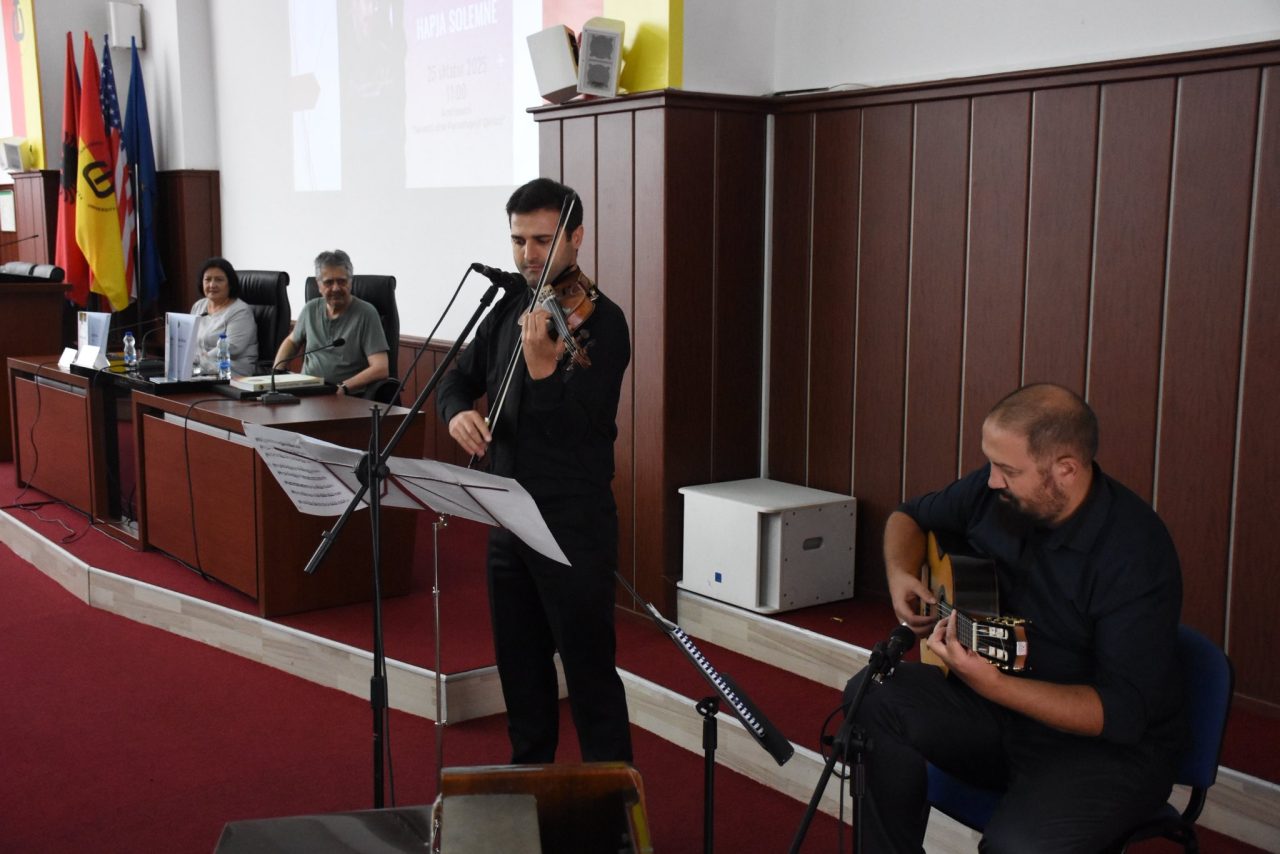
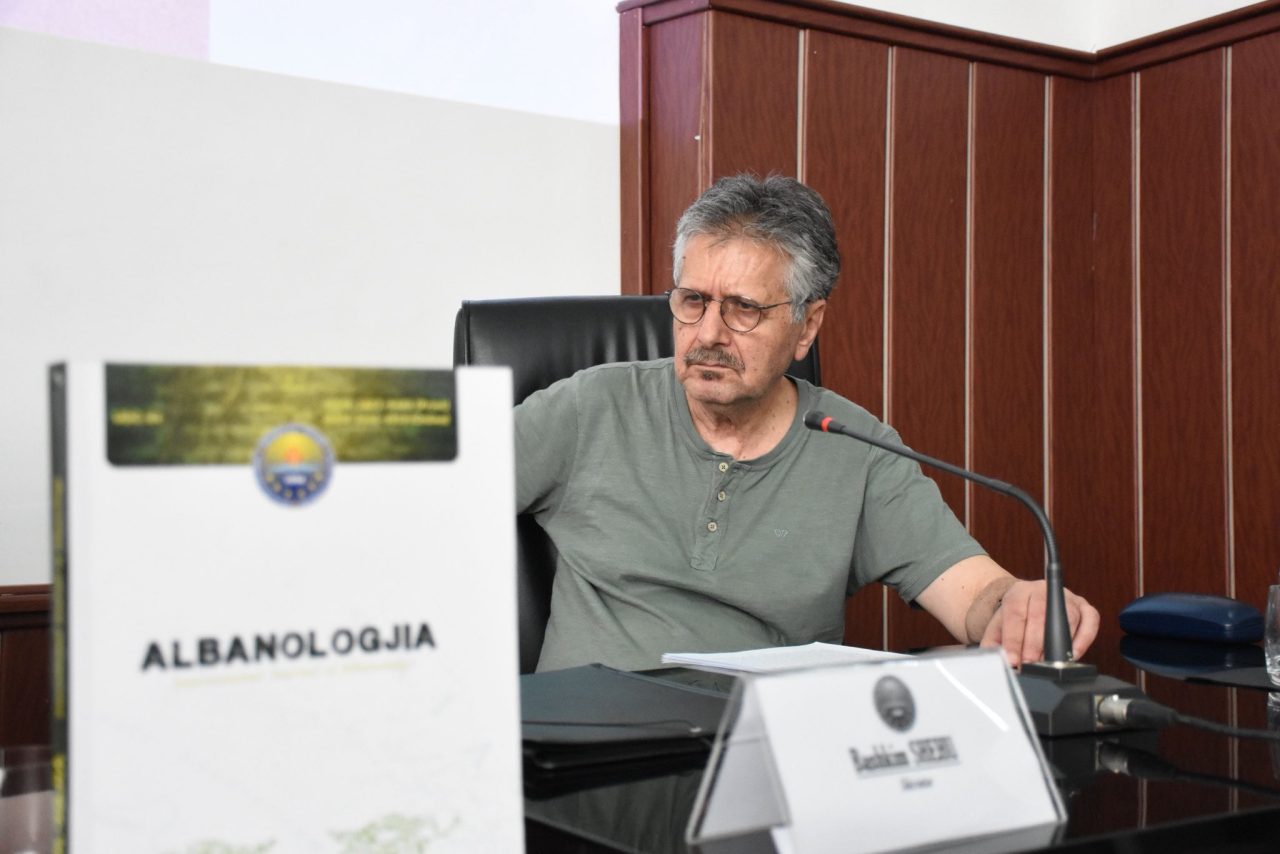
The keynote speaker, writer Bashkim Shehu, delivered a lecture titled: “The hearth and the world: The dialectic of the national and the universal”, placing at the center the relationship of Albanian literature with world literary traditions and its challenges in the processes of cultural globalization. The solemn opening program concluded with an artistic performance by artists Shkëlzen Pajaziti (violin), Shkëlzen Baftijari (piano), and Jetmir Mehmedi (guitar), who gave a special cultural and emotional dimension to the event.
The seminar continued with scientific sessions, roundtables, and research presentations, creating spaces for dialogue and collaboration between Albanian and international scholars.