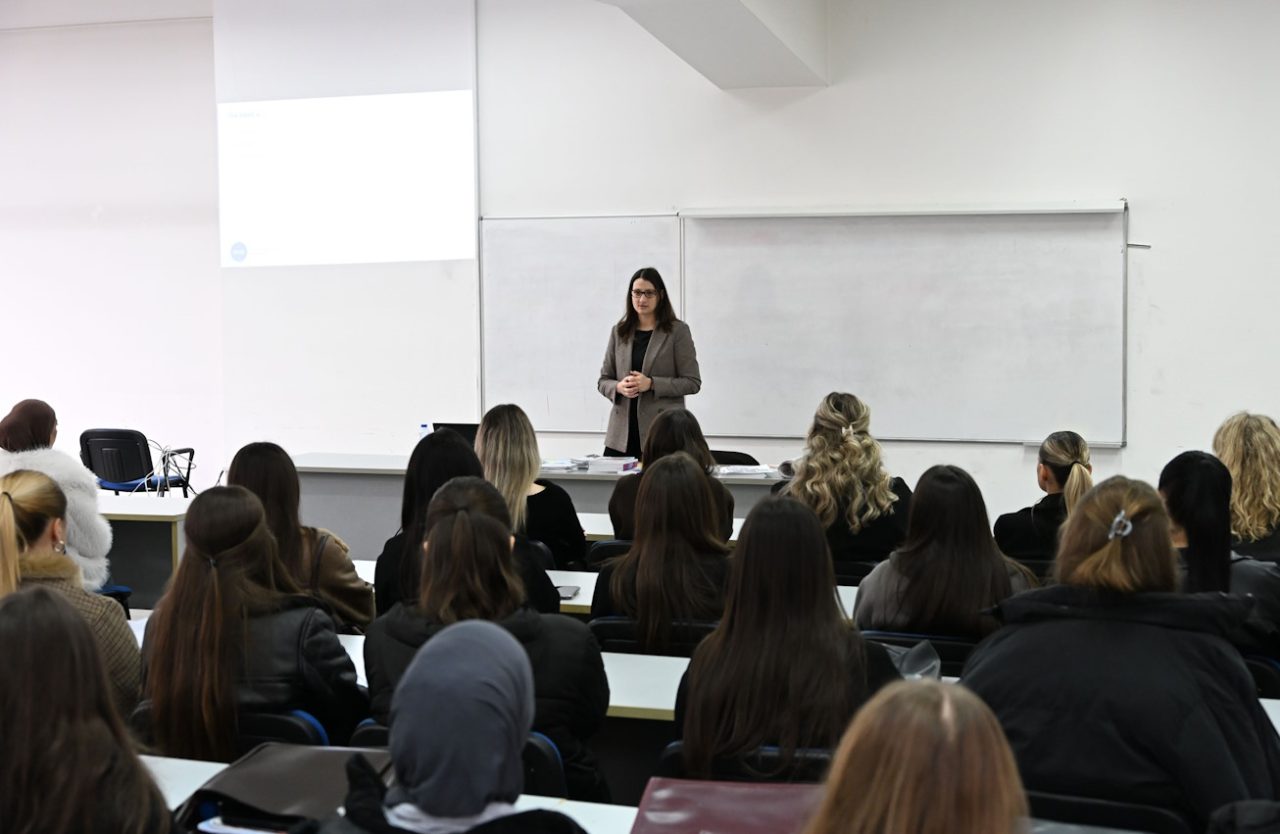
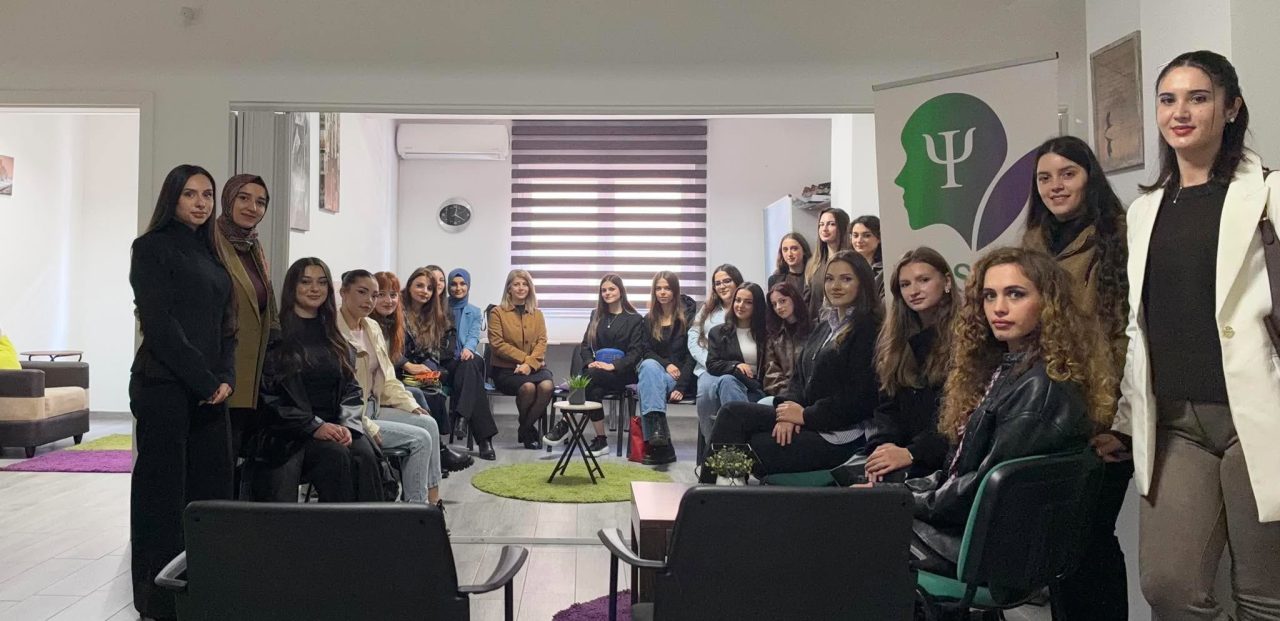
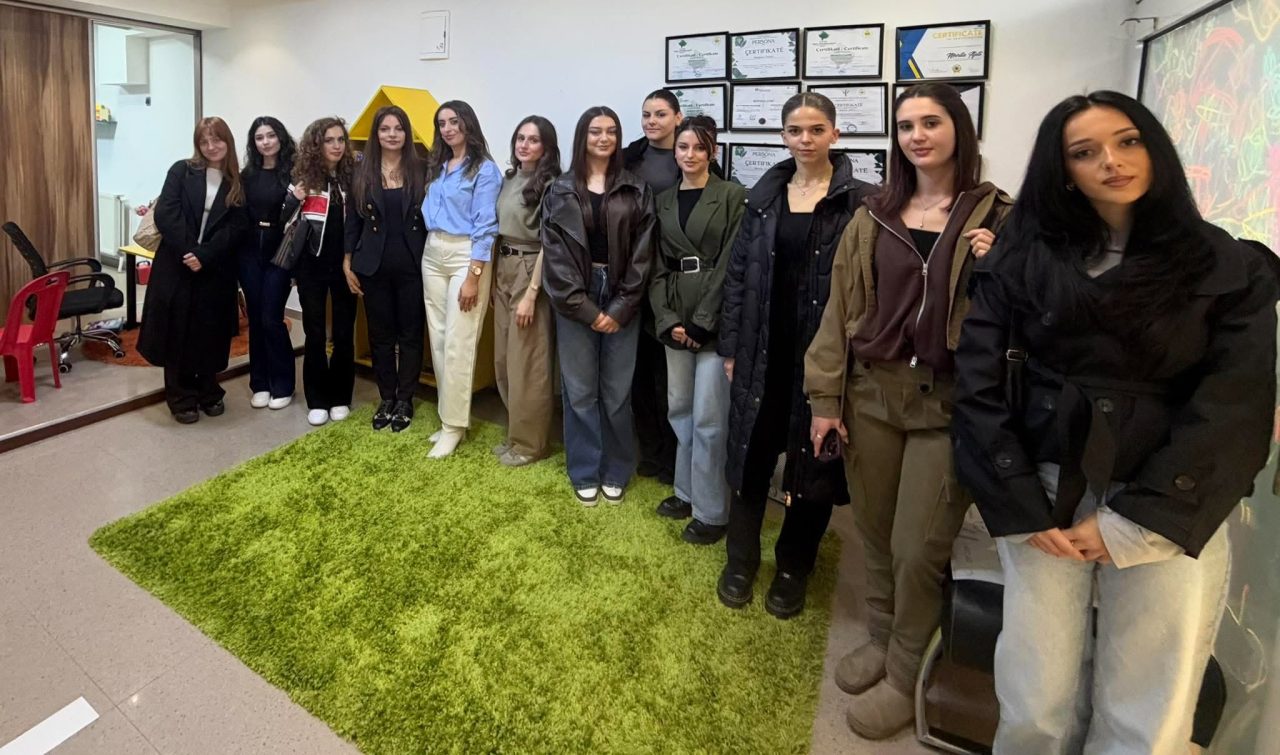
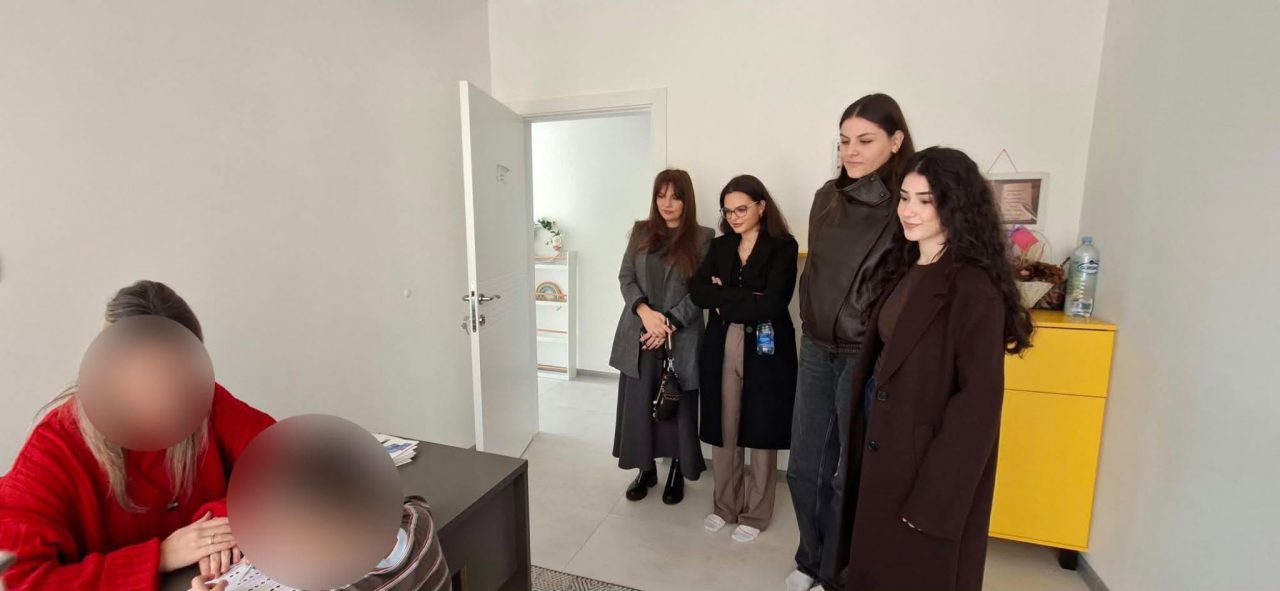
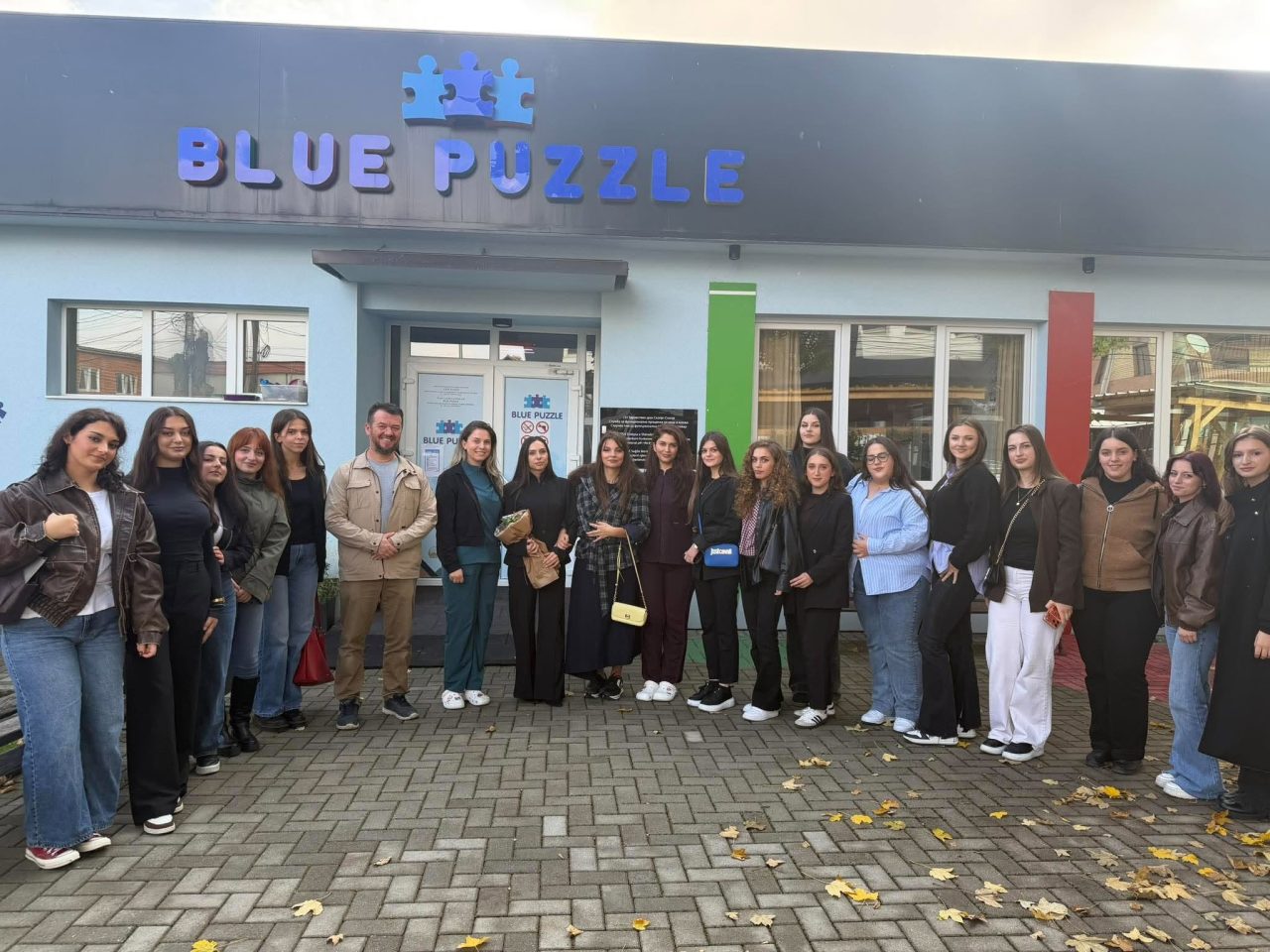
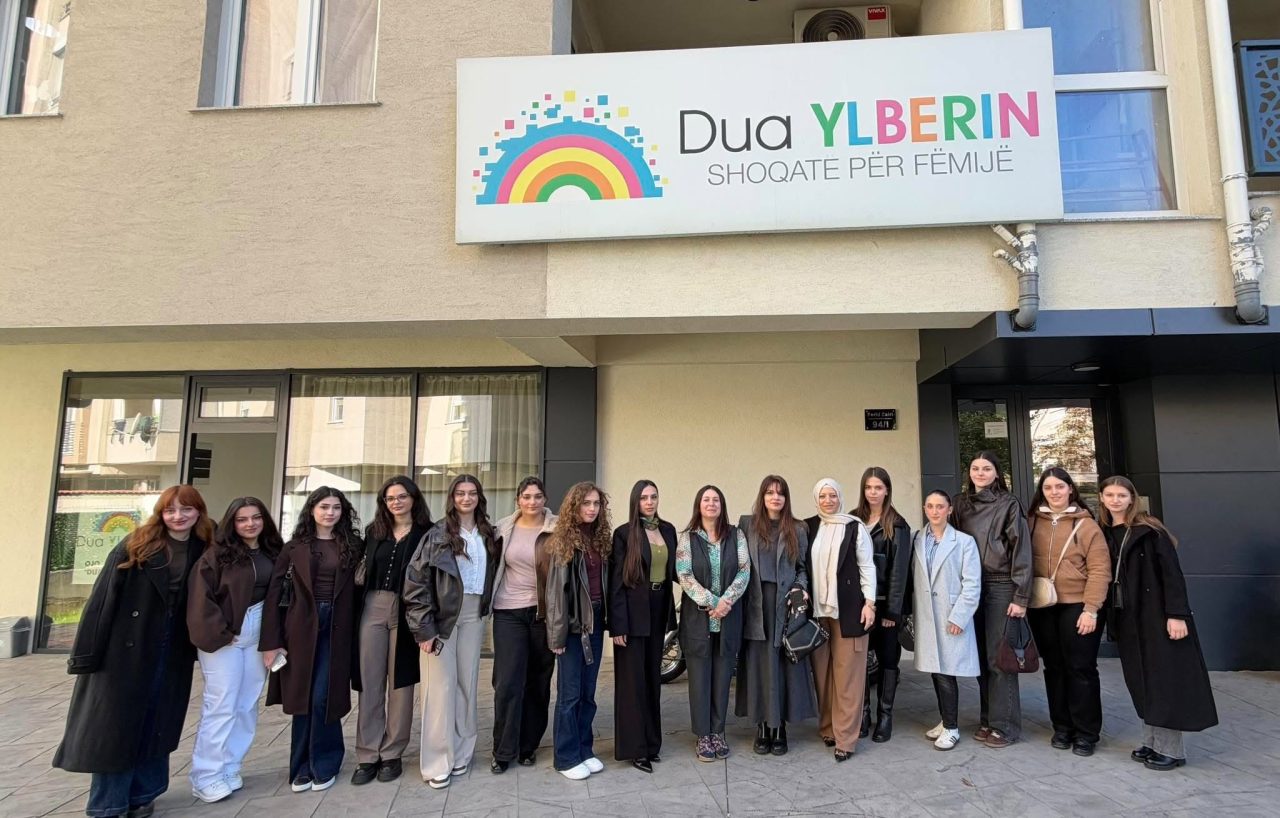
Students of the study programme of Psychology at the Faculty of Philosophy of the University of Tetova, as part of the course “Psychology of Individuals with Special Needs”, conducted several study visits to specialized centers providing professional services for children. These activities aimed to broaden students’ knowledge, enrich their practical experience, and provide first-hand insight into professional approaches and practices in this field.
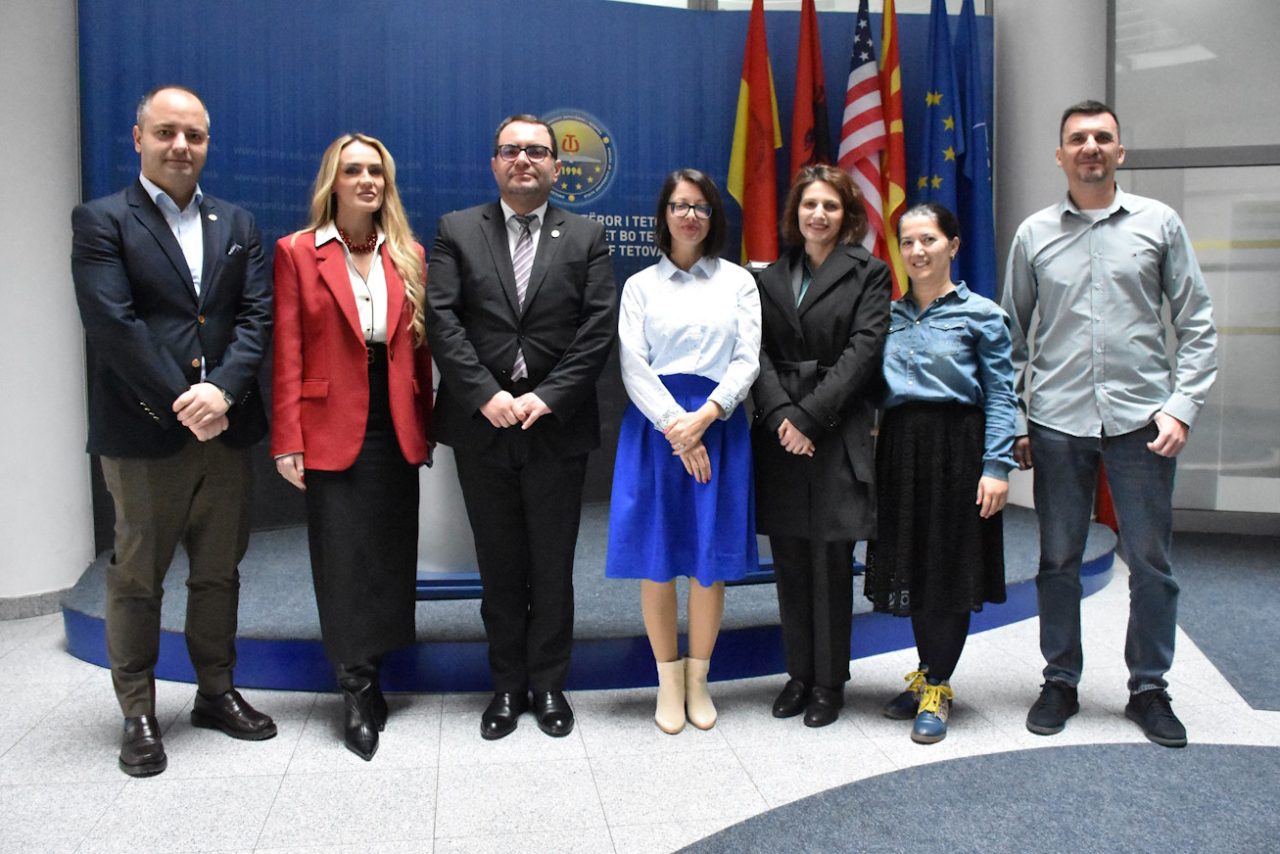
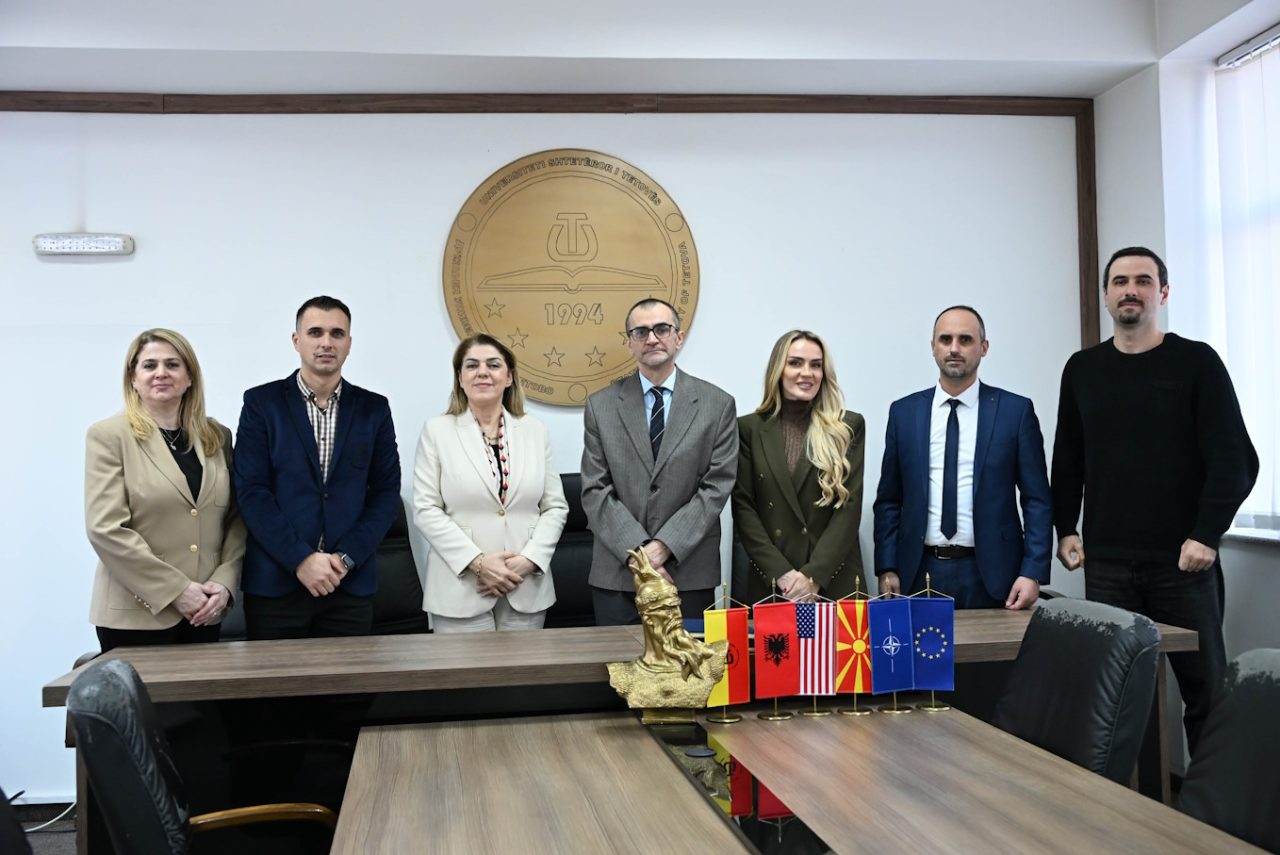
The visits were conducted under the guidance of the course professor, Prof. Dr. Sara Sadiki, in cooperation with the professional staff of four centers: “Persona” Centre and “Blue Puzzle” Centre in Gostivar, “Hipokampus” Centre in Tetovo, and “Dua Ylberin” Centre in Skopje.
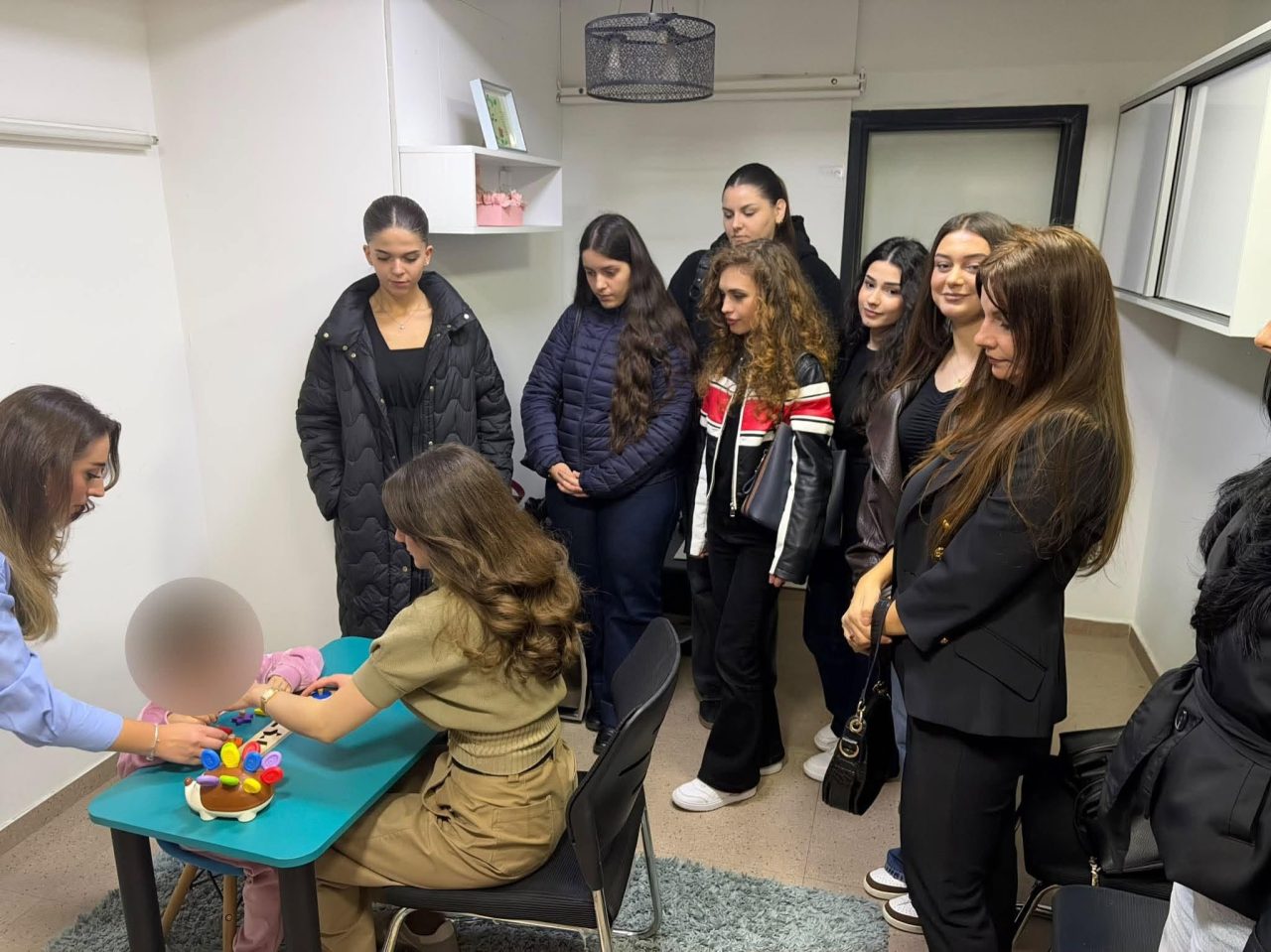
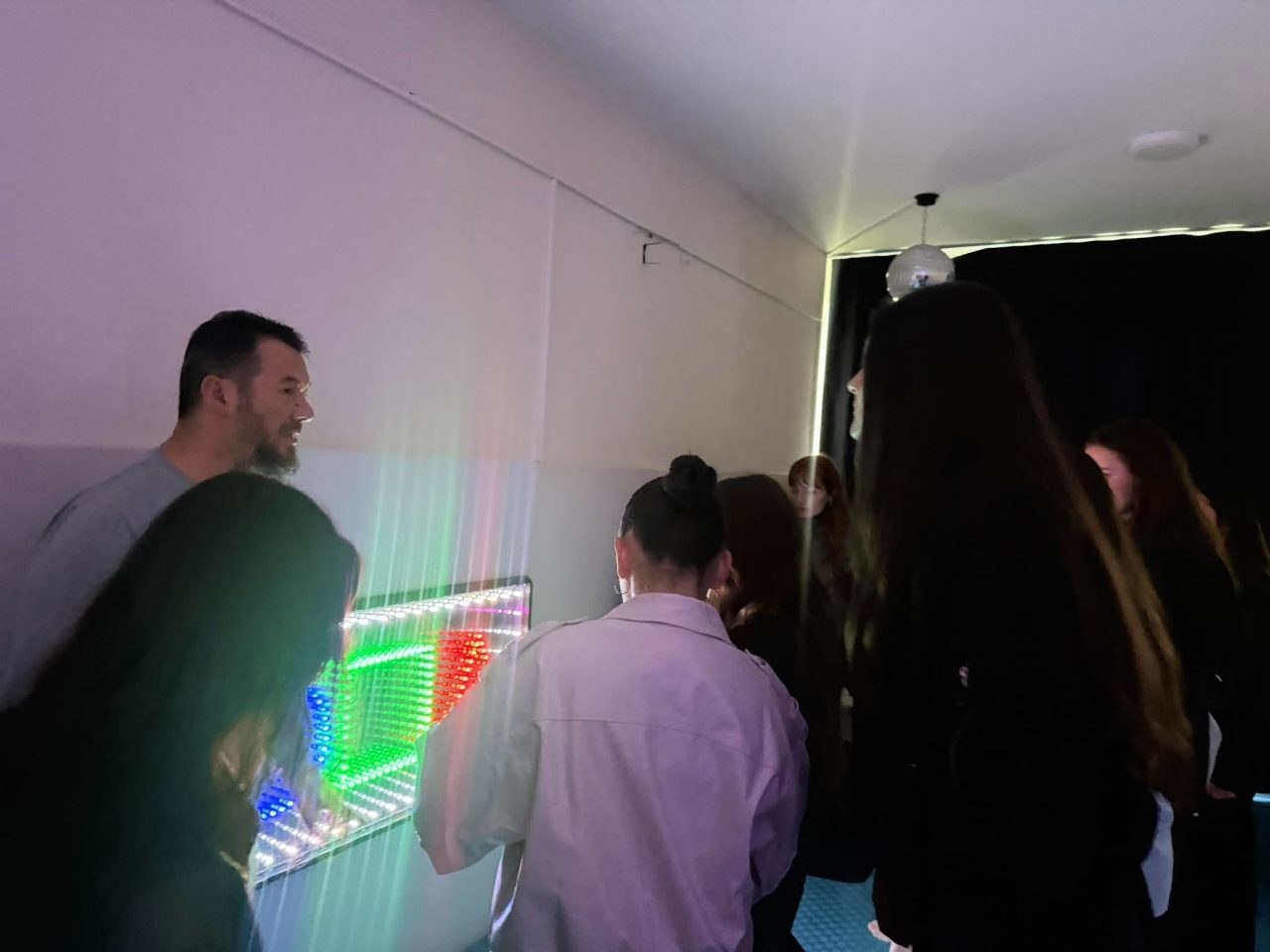
During the visits, students had the opportunity to learn about the organization and operation of the centers, their working environments, professional approaches and intervention methods, as well as the instruments and tools used to assess, monitor, and track children’s progress. A particularly valuable experience was the opportunity to observe treatment sessions and professional intervention procedures, through which students gained a more practical understanding of how theoretical knowledge is applied in everyday work with children.
Another important aspect of these visits was the opportunity to meet former students of the University of Tetova who are currently members of the professional staff at these centers. By sharing their experiences and the knowledge they had gained through their professional work, they offered students a practical perspective on the transition from academic education to professional practice. At the same time, this meeting highlighted the contribution of University of Tetova graduates to providing professional services for children and their families.
These study visits represent an important component of the learning process and reflect the Psychology study programme’s commitment to connecting theoretical knowledge with practical experience through direct engagement with professional settings. They contribute to strengthening students’ academic and professional competencies, enabling them to gain a better understanding of the challenges and responsibilities involved in working with children with special needs.