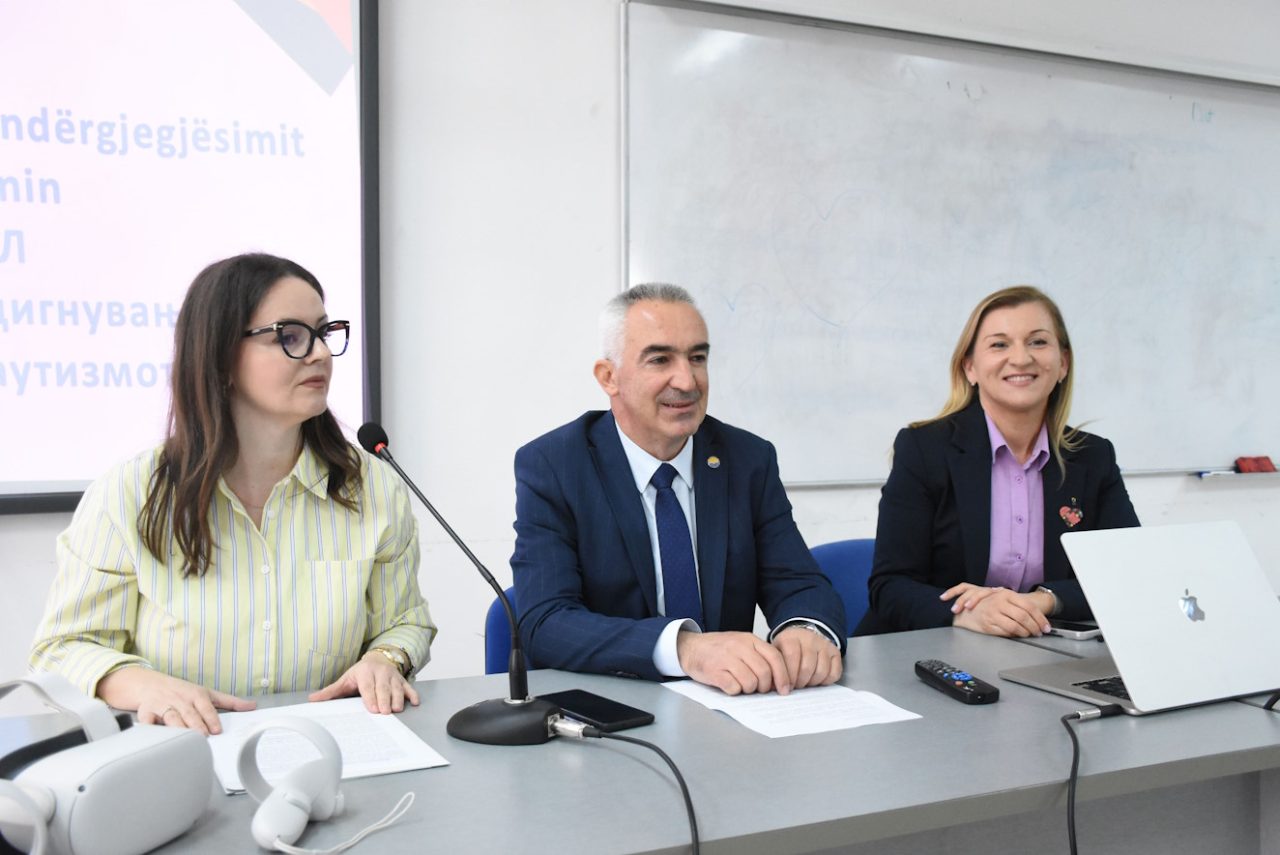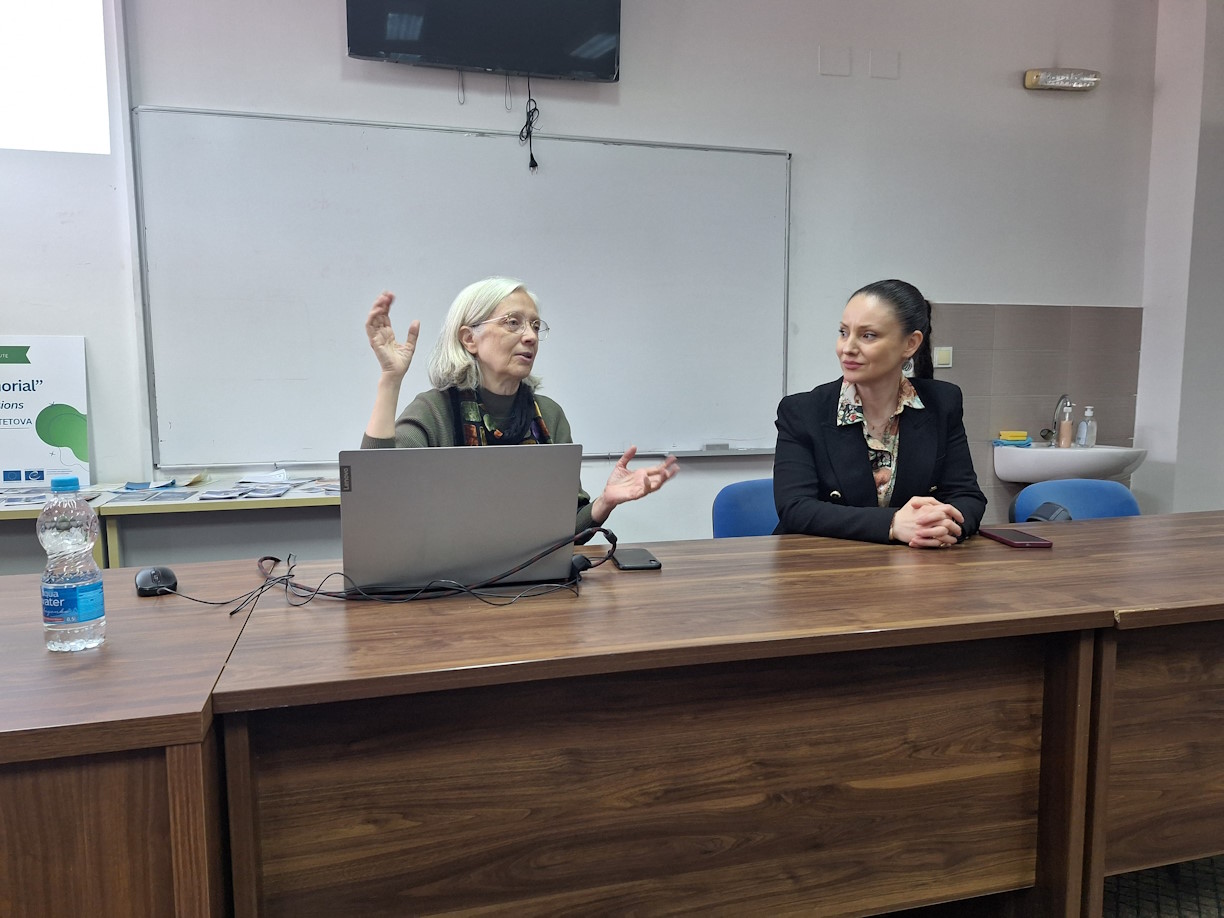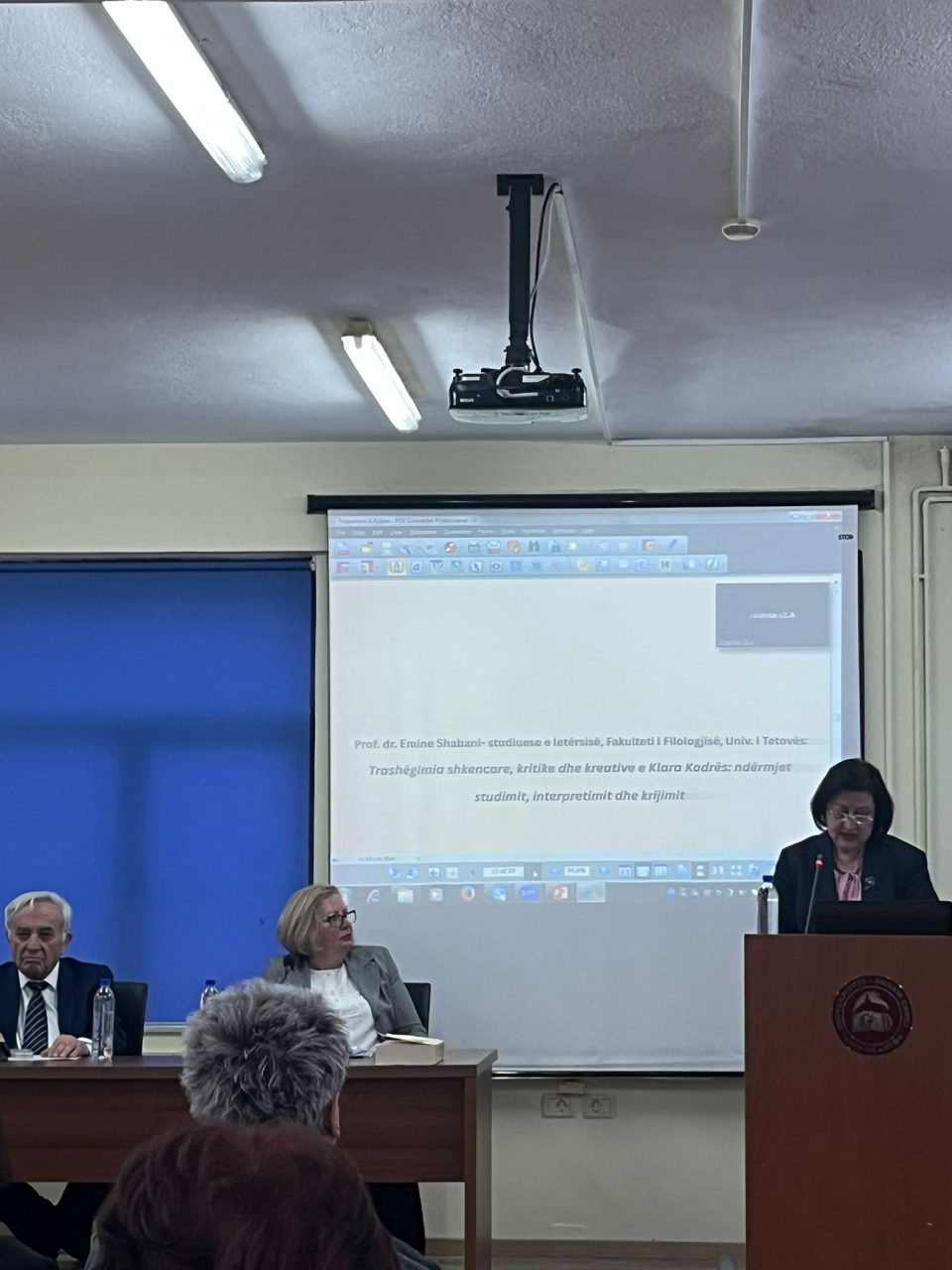
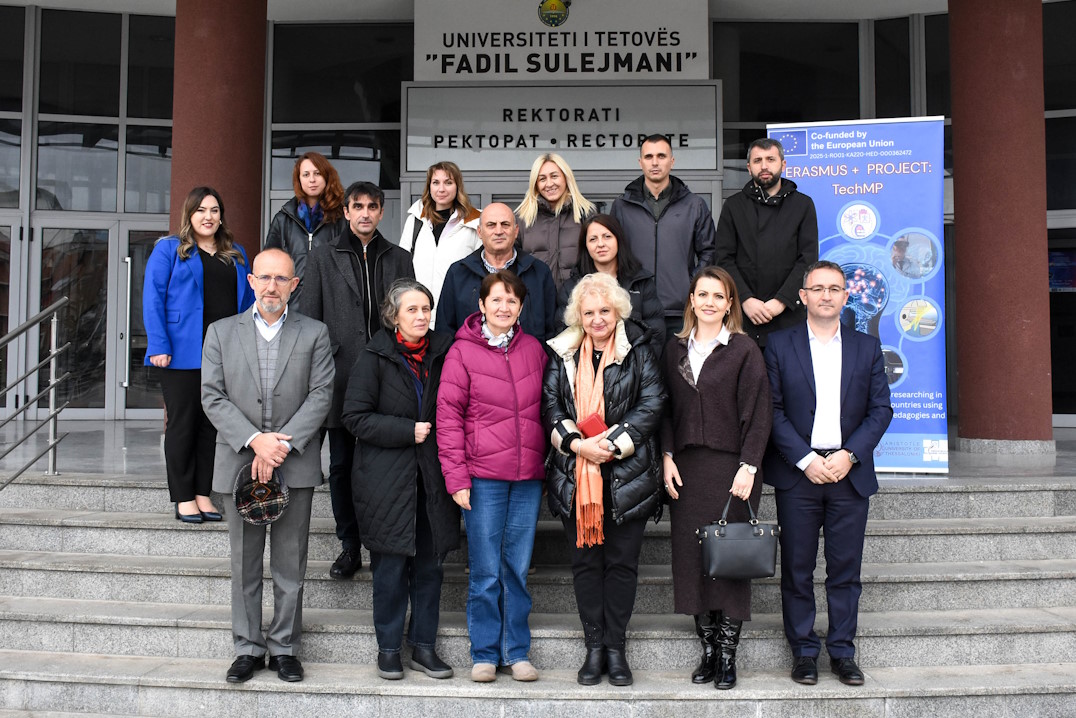
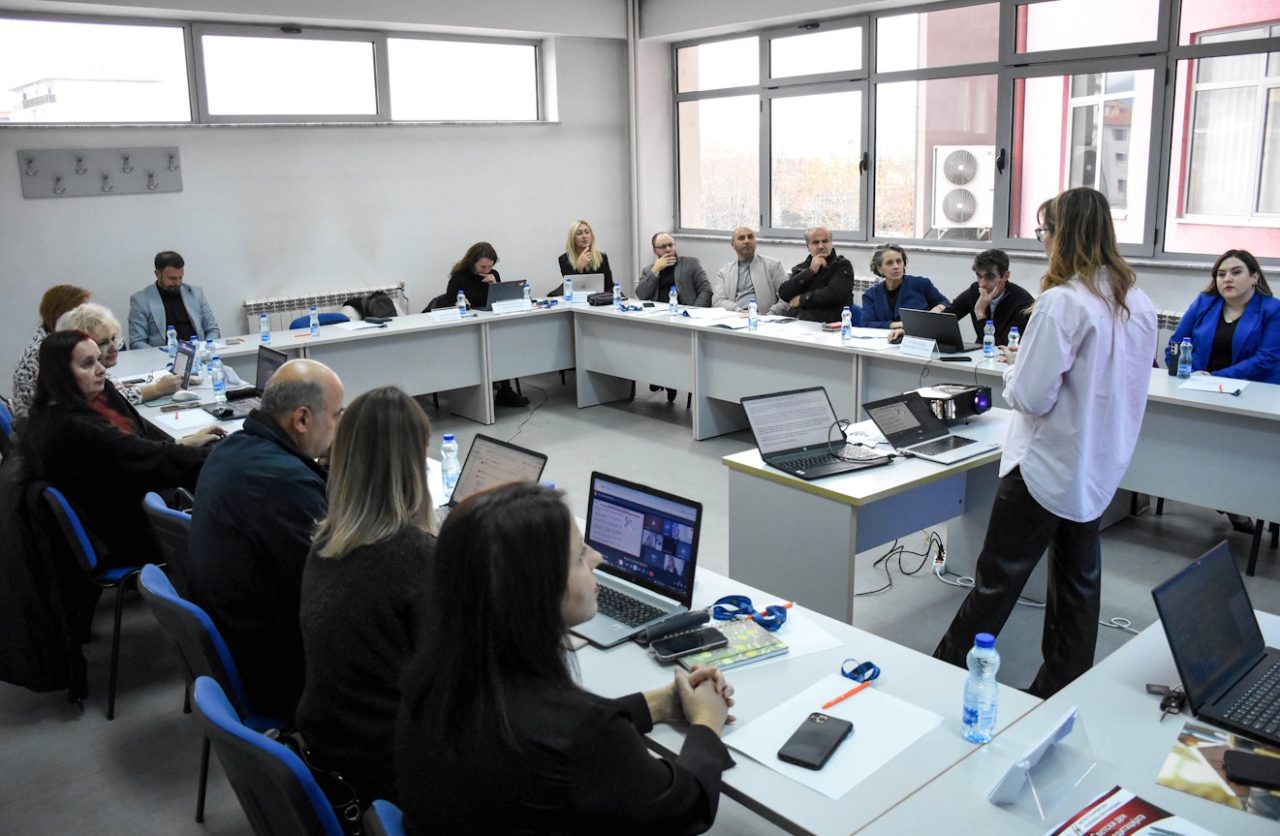
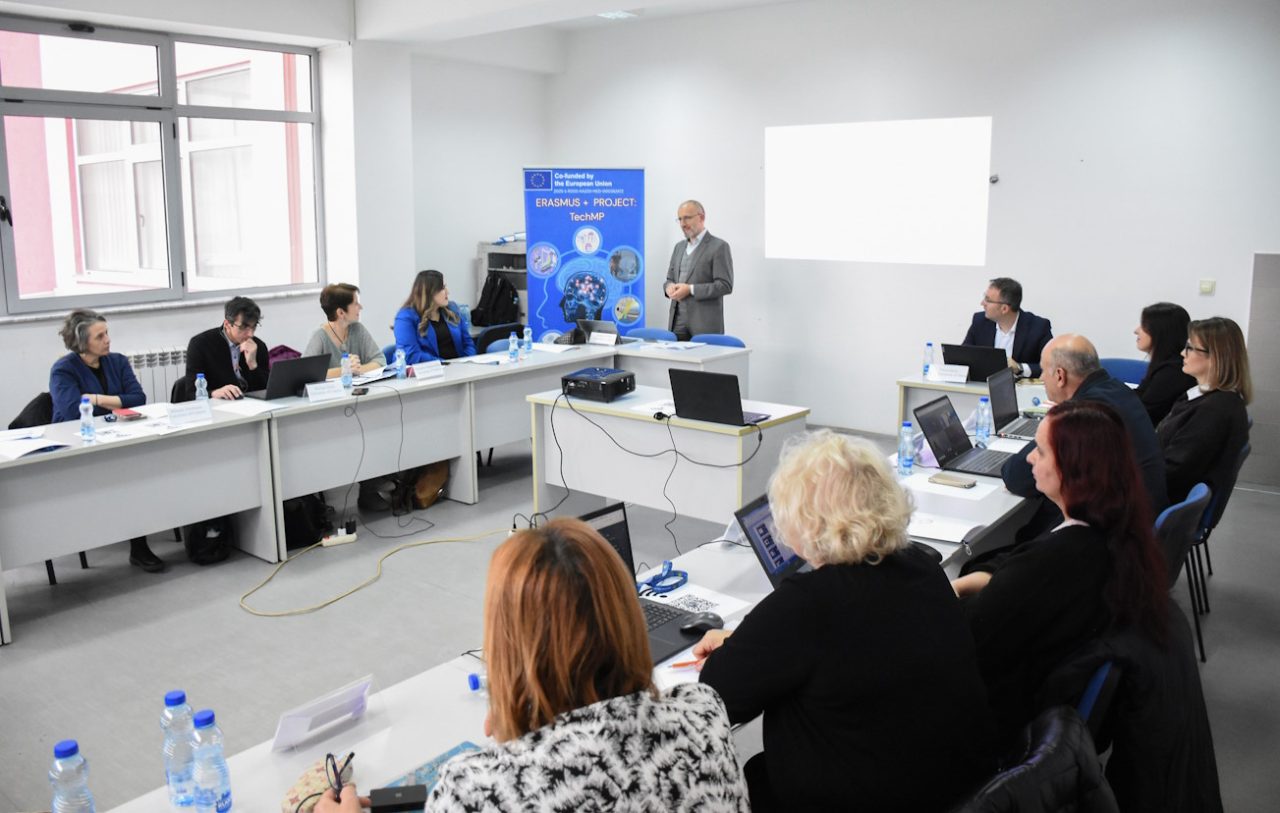
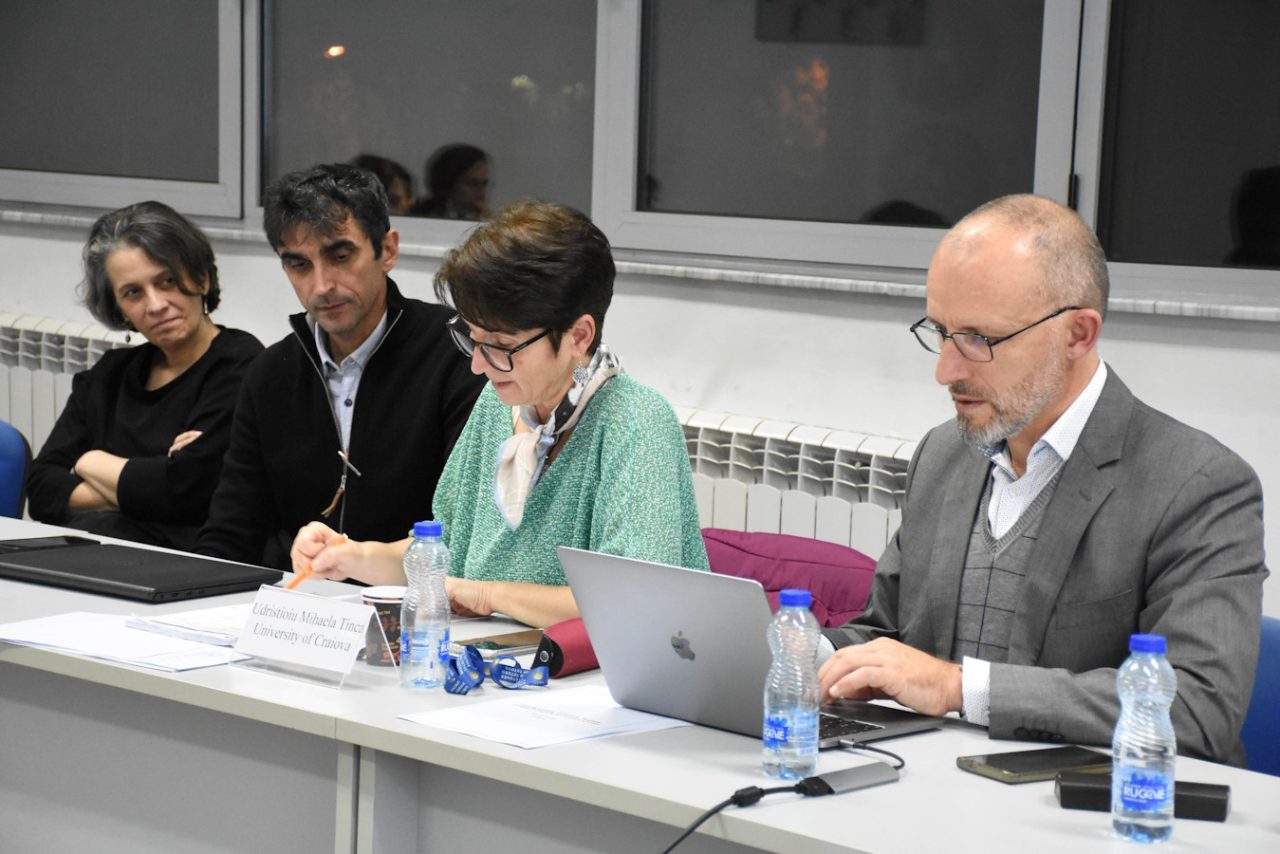
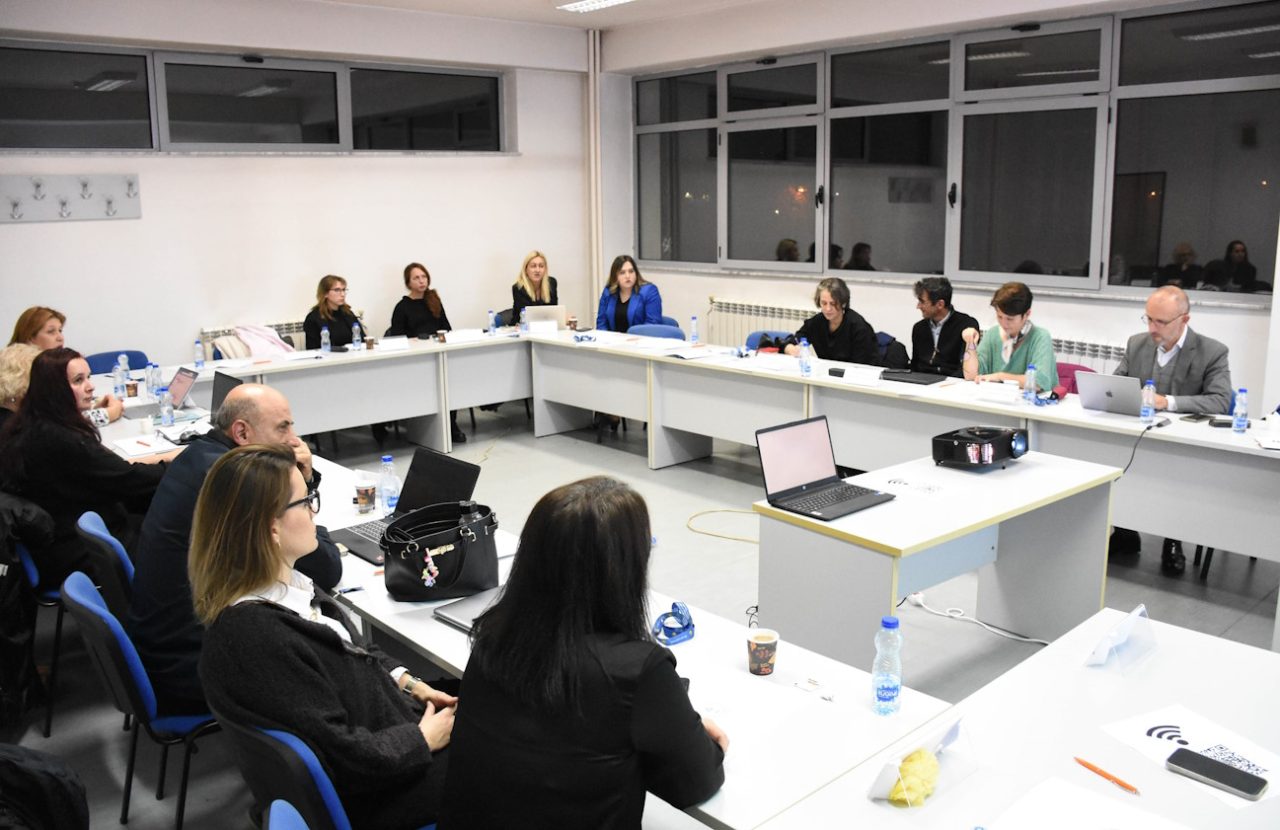
On November 29 and 30, 2025, at the University of Tetova, was held the introductory meeting of the new Erasmus+ project. The project aims to improve teaching, learning, and scientific research in the field of medical physics in the countries of Southeast Europe by integrating modern technology, innovative pedagogy, and contemporary clinical experience.
The project, which is being carried out within the framework of the Erasmus+ program, will be implemented from November 1, 2025, to October 31, 2028. It includes important academic and clinical partners from the region, such as: The University of Craiova – Romania, as the project coordinator; Aristotle University of Thessaloniki – Greece; the University of Plovdiv – Bulgaria; Papageorgiou Hospital of Thessaloniki – Greece; as well as the University of Tetova, which serves as an active partner in the implementation of the activities.
Dean of the Faculty of Mathematical and Natural Sciences, Prof. Dr. Florim Idrizi, emphasized the importance of the project for strengthening academic capacities and increasing international cooperation: “It is a special pleasure to welcome you today to our university for the introductory meeting of the Erasmus+ project. This project represents an important opportunity for strengthening our academic capacities and deepening international cooperation in the field of medical physics. At a time when higher education and scientific research are rapidly being transformed by modern technologies, this partnership aims to develop innovative approaches to teaching, promote advanced clinical practices, and reinforce the research dimension of this field. I would also like to thank our partners from Romania, Bulgaria, and Greece for their cooperation, while acknowledging the contribution of Prof. Dr. Bashkim Ziberi for enabling the inclusion of the University of Tetova in the project”,- stated Prof. Dr. Florim Idrizi.
The project coordinator, Micaela Tinka from the University of Craiova, emphasized that through this collaboration the goal is to modernize study programs and practical application. According to her, the project aims to improve teaching curricula, as well as the practical and clinical implementation of medical physics and the role of medical physicists in hospital work.
Prof. Dr. Bashkim Ziberi highlighted the key role that the project has in the professional development of medical physicists, stating that the goal of this project is to begin with the education of future professionals, namely students and extend to the perception, practical application, and clinical implementation of medical physics, as well as strengthening the role of the medical physicist who contributes within hospitals.
The project is expected to deliver concrete results in enhancing the quality of teaching, preparing new professionals, and reinforcing scientific research standards in the field of medical physics throughout the Southeast European region.