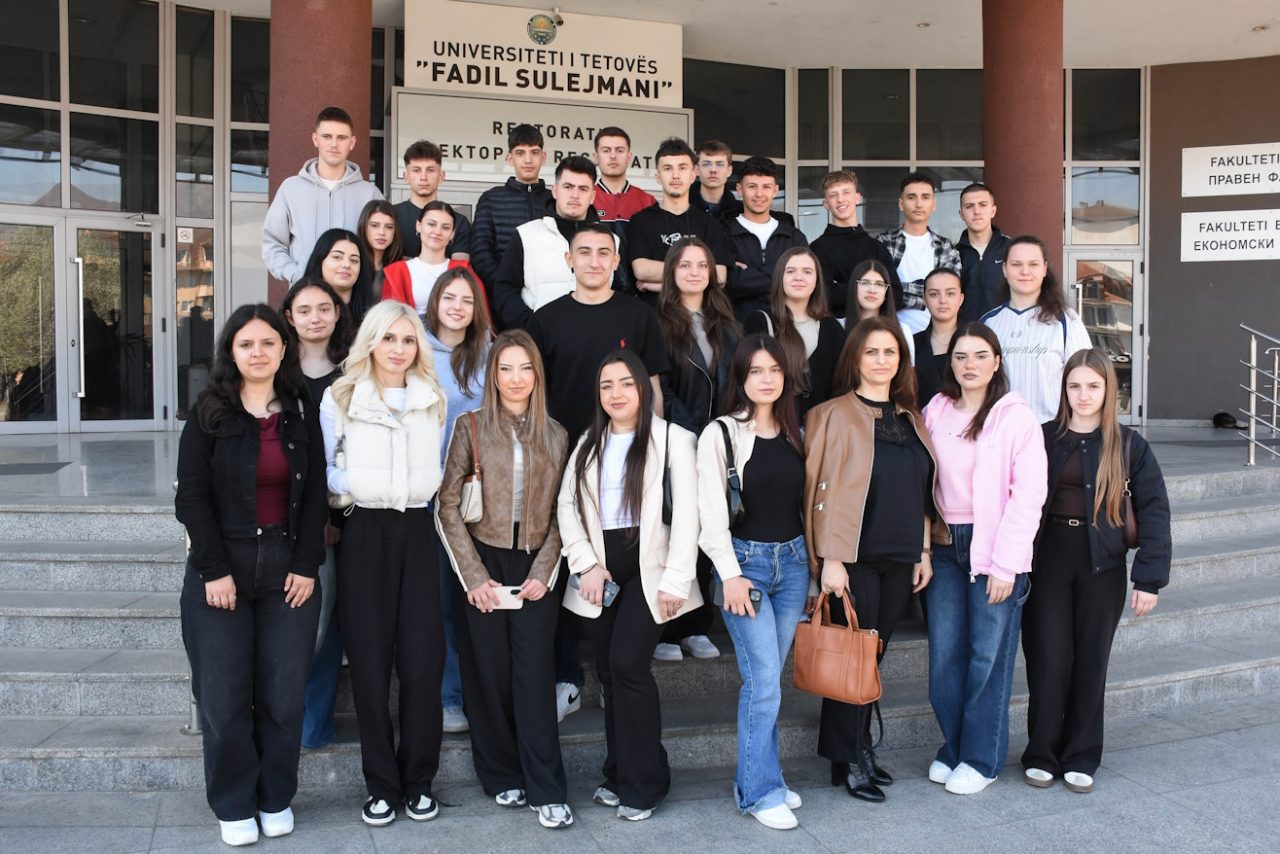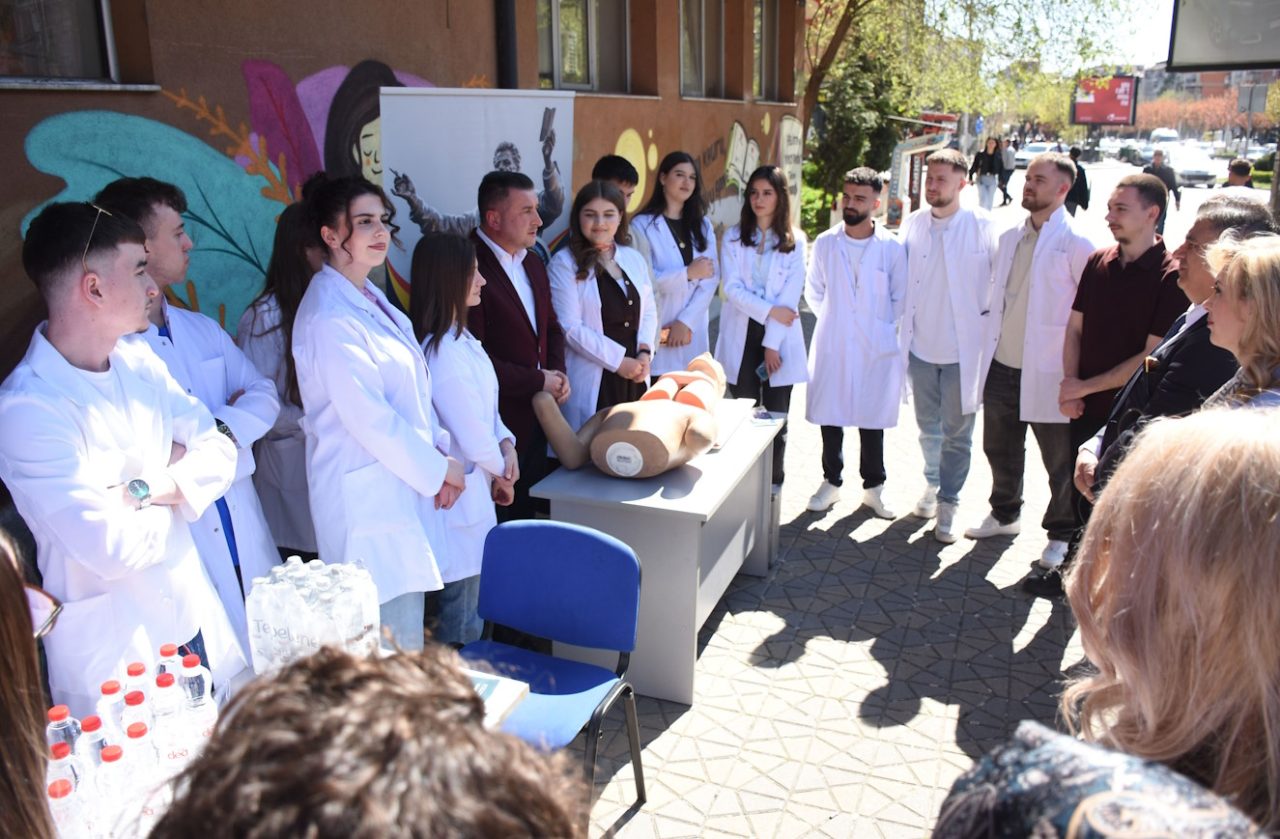
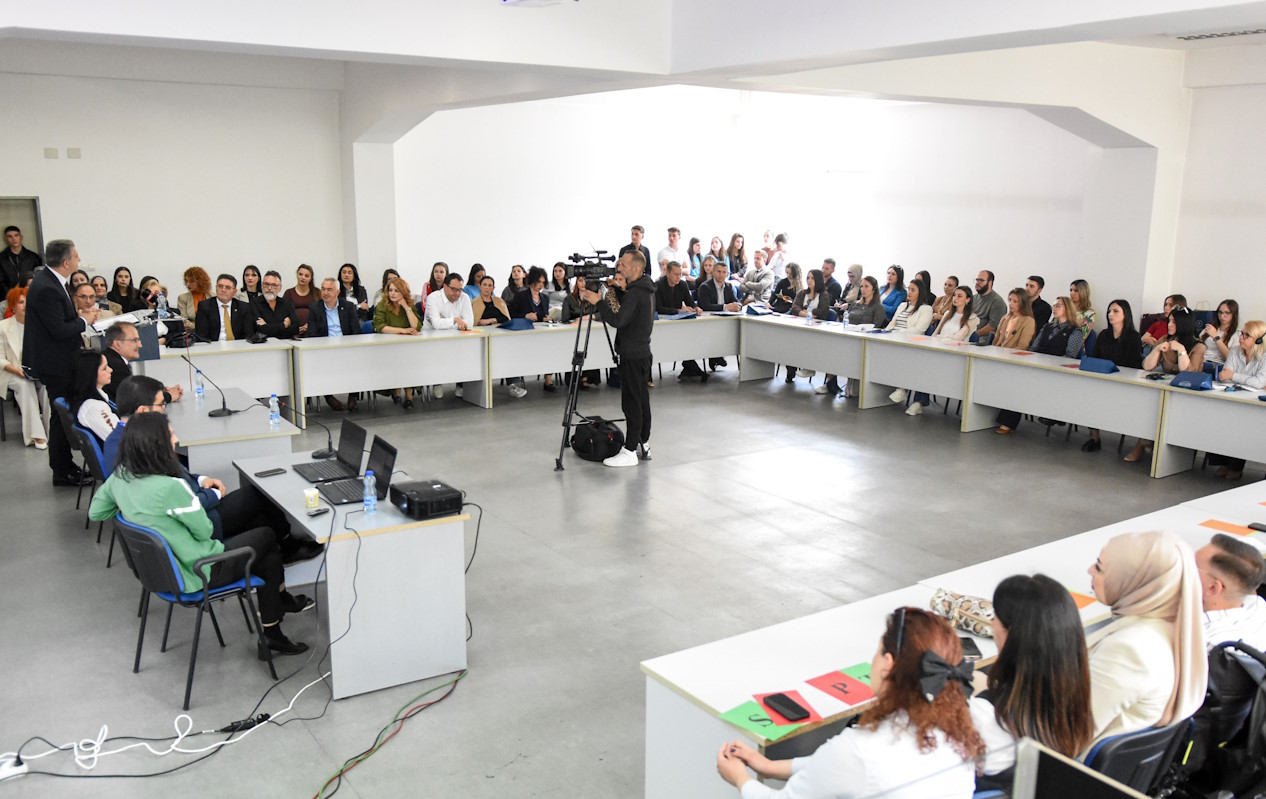
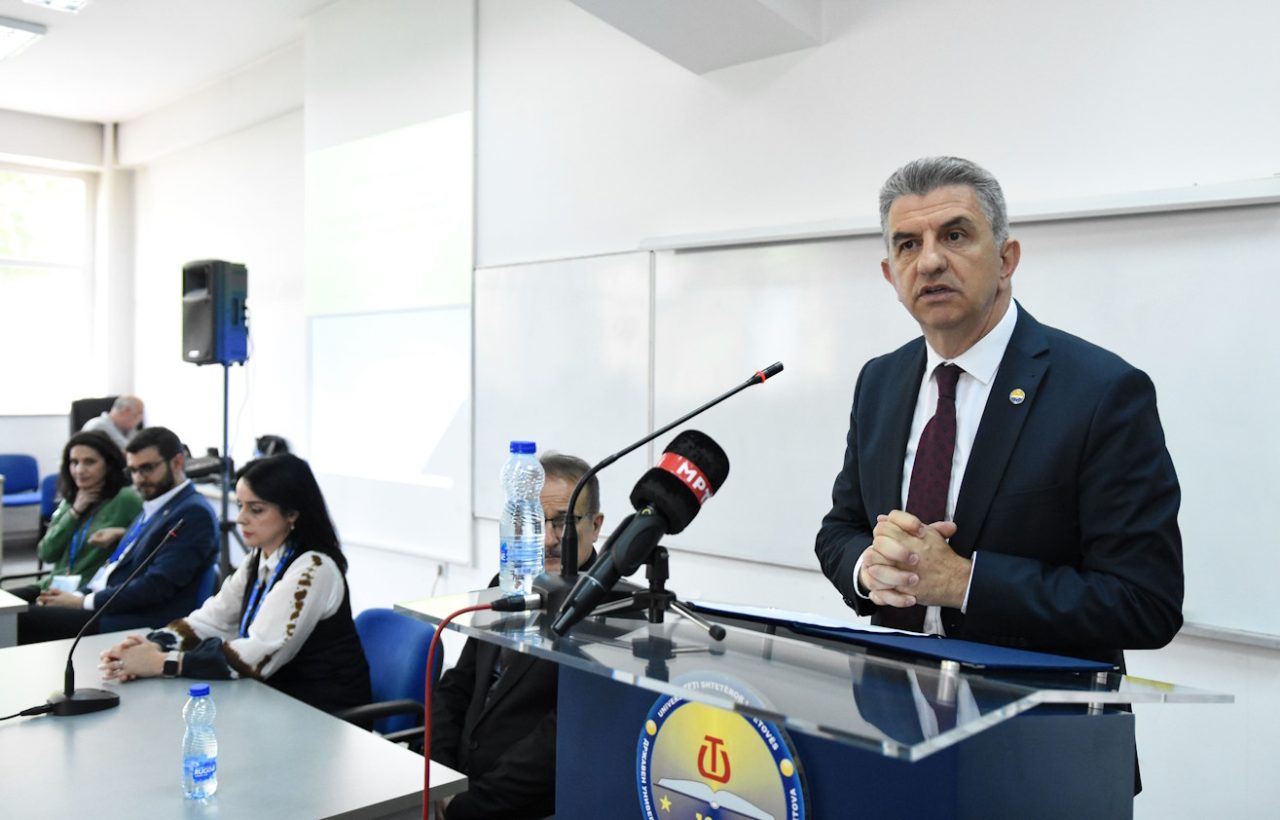
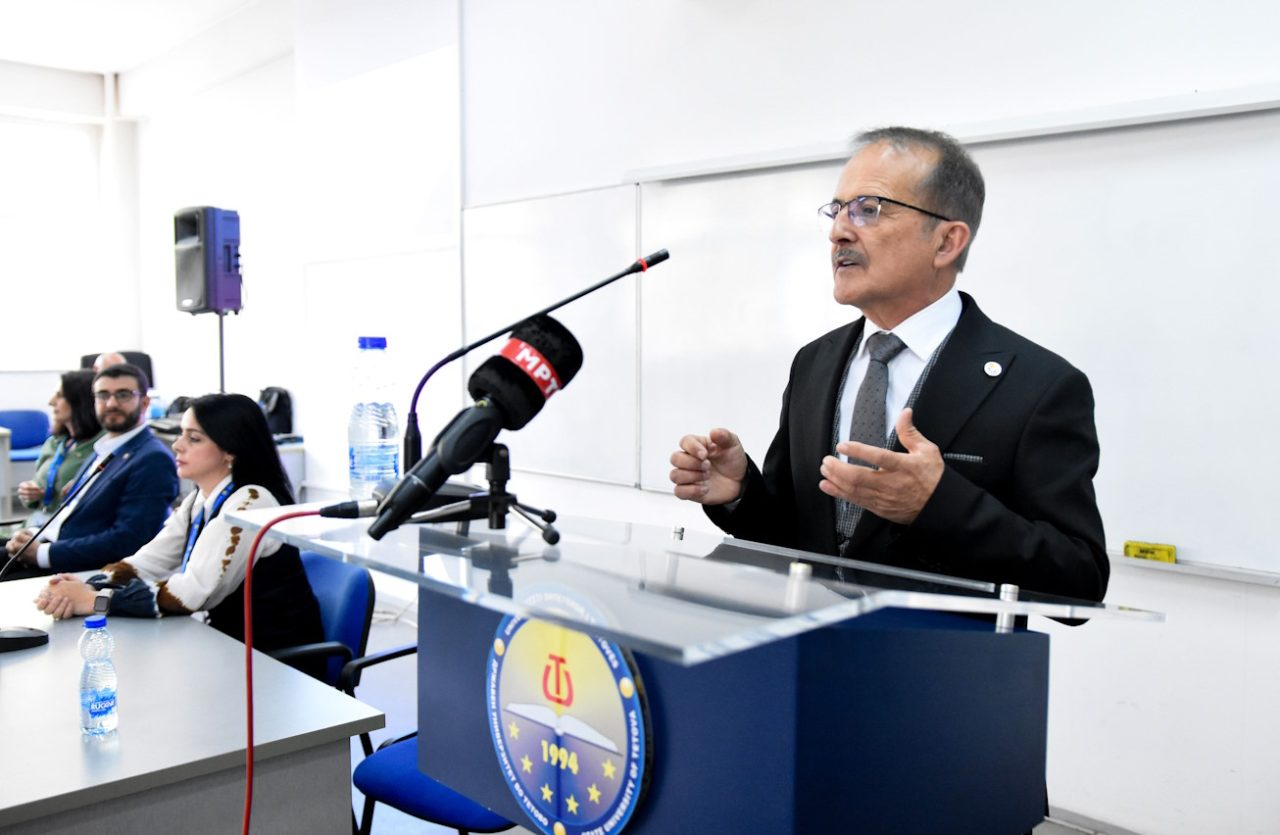
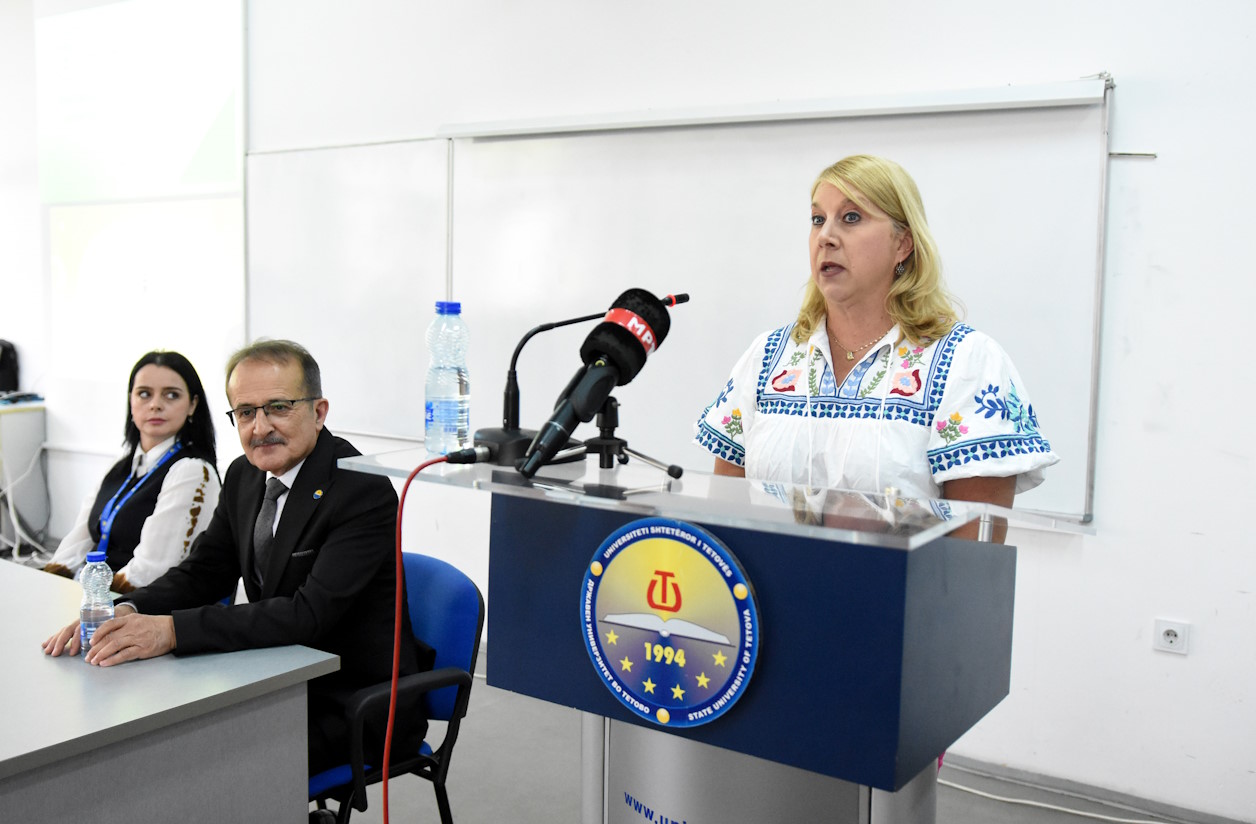
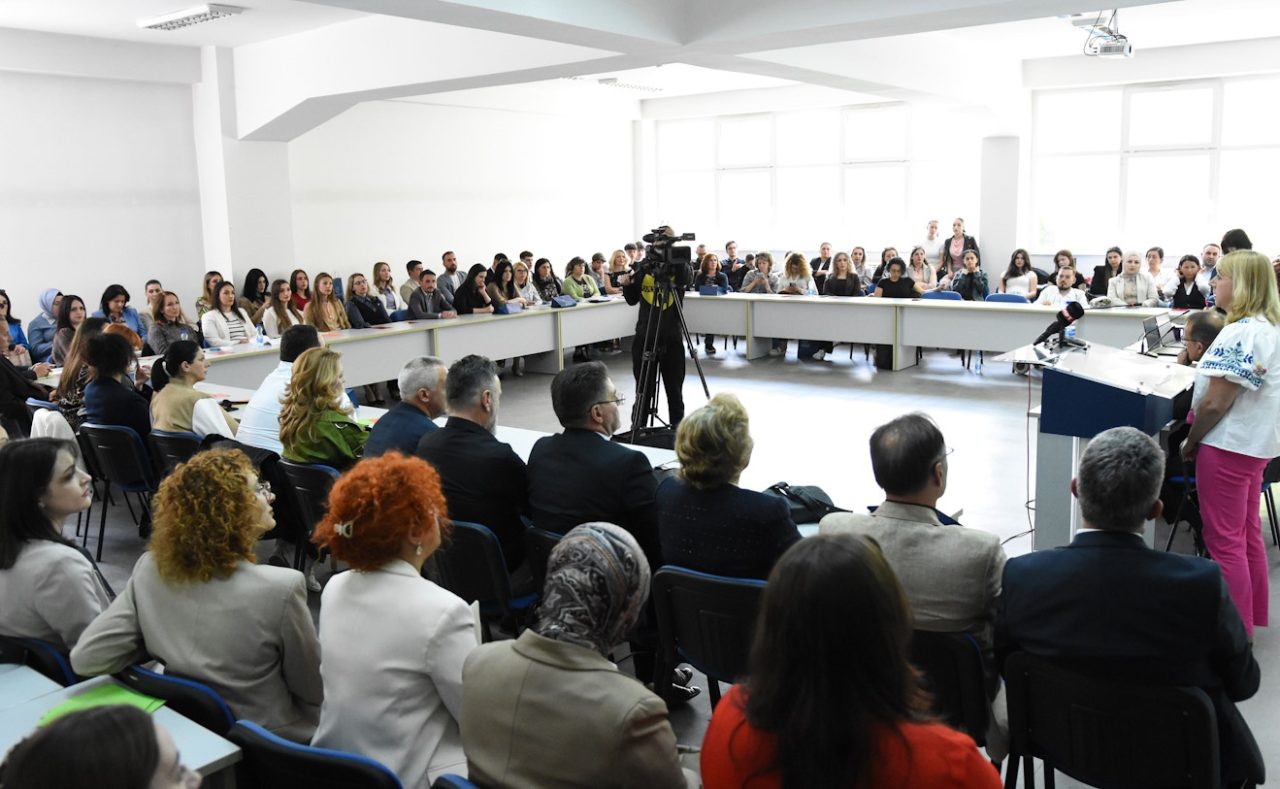

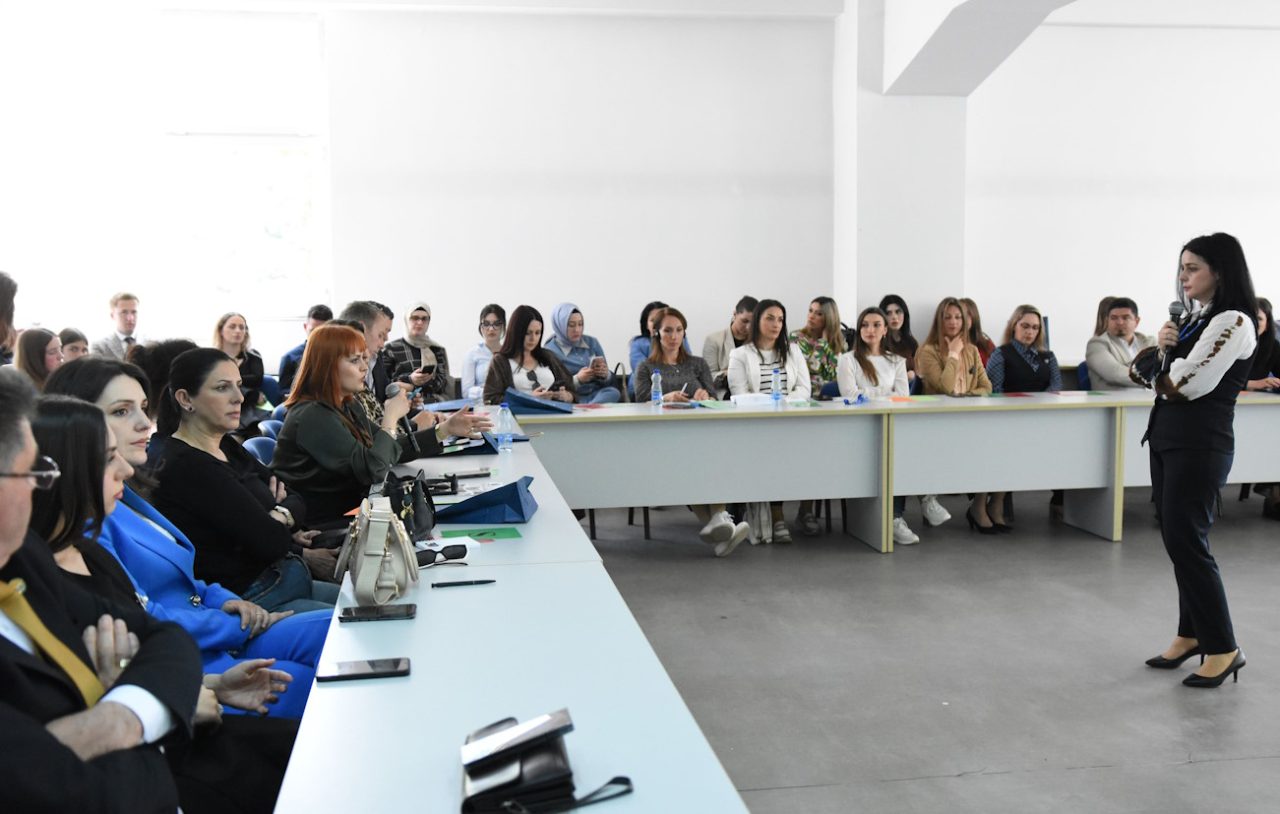
At the University of Tetova, on May 14, 2025, was held the 3rd Psychology Seminar with the topic: “Well-being and Risky Behaviors,” organized by the Study Program of Psychology within the Faculty of Philosophy.
The seminar aimed to identify indicators of well-being and risky behaviors among adolescents, as well as to encourage inter-institutional cooperation for the prevention of such behaviors and the improvement of youth mental health.
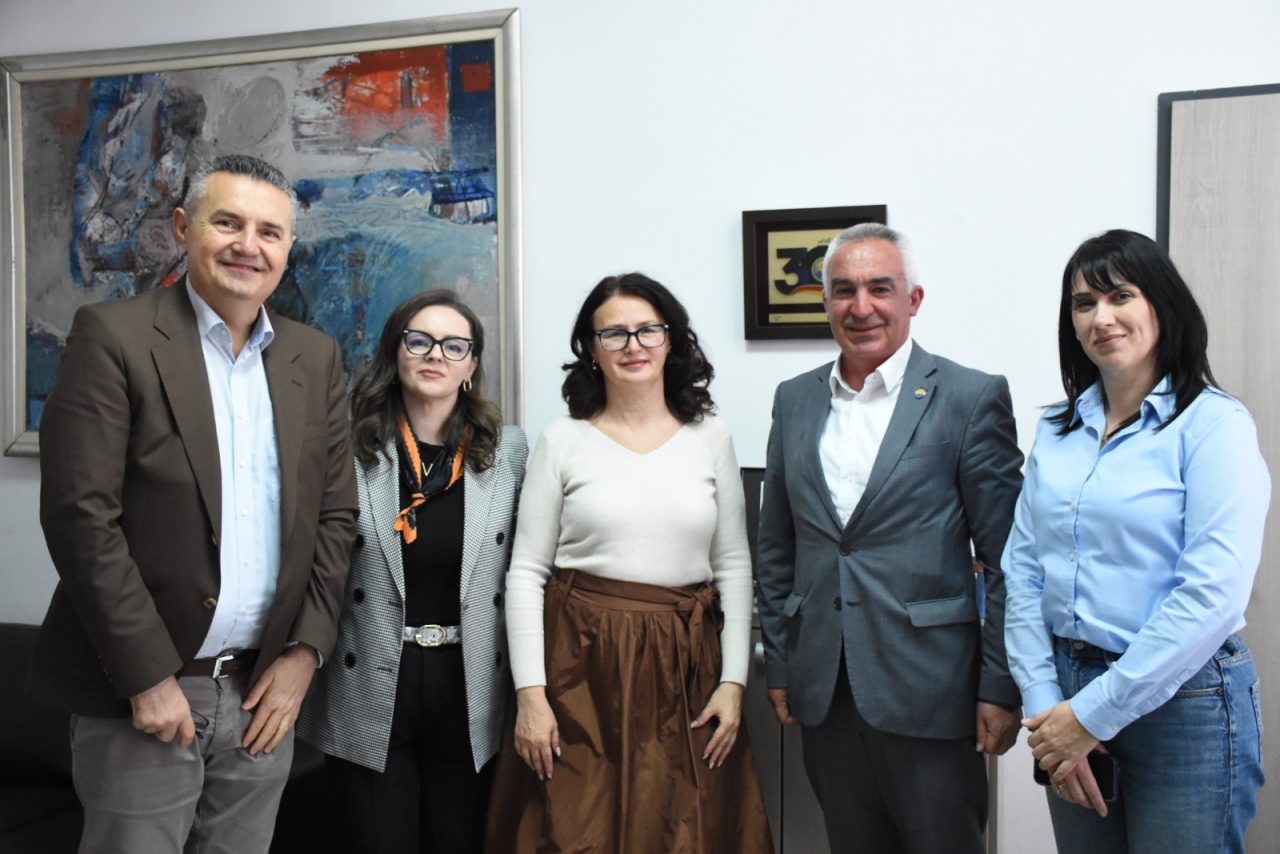
The seminar was organized by the staff and students of the Study Program of Psychology. This event was opened by the head of the study program Prof. Dr. Lulzim Murtezani. The activity was carried out by Prof. Dr. Ibrahim Neziri, Asst. Prof. Dr. Sheruze Osmani Ballazhi and Prof. Dr. Luljeta Bexheti. This activity brought together representatives from various academic, institutional and social fields, including: students, professors, representatives of the Ministry of Social Policy, Demography and Youth, Centers for Social Work, municipalities, the Community Police Unit, the U.S. Embassy, as well as non-governmental organizations operating in the field of youth and mental health.
During the seminar, findings were presented from the international study “Health Behavior Study Among School Children,” which analyzes the health-related behaviors of children aged 11, 13, and 15 in North Macedonia.
The activities were conducted through workshops, open discussions, and interactive presentations, with the aim of fostering open dialogue between young people and relevant institutions. Additionally, a workshop was held with students from the cities of Struga, Kičevo, Gostivar, Tetovo, and Skopje, where issues related to risky behaviors, mental health, and protection and support mechanisms were addressed.
The discussions led to several key conclusions, such as: the need to increase the number of psychological counseling centers and to reactivate existing ones; the expansion of awareness campaigns to educate the public about factors influencing risky behaviors; early identification of negative indicators of well-being in adolescents; and the importance of strengthening cooperation between schools and families in preventing these phenomena.
The seminar was evaluated as an important step toward building better policies and practices for the protection of youth mental health and the prevention of risky behaviors in society.