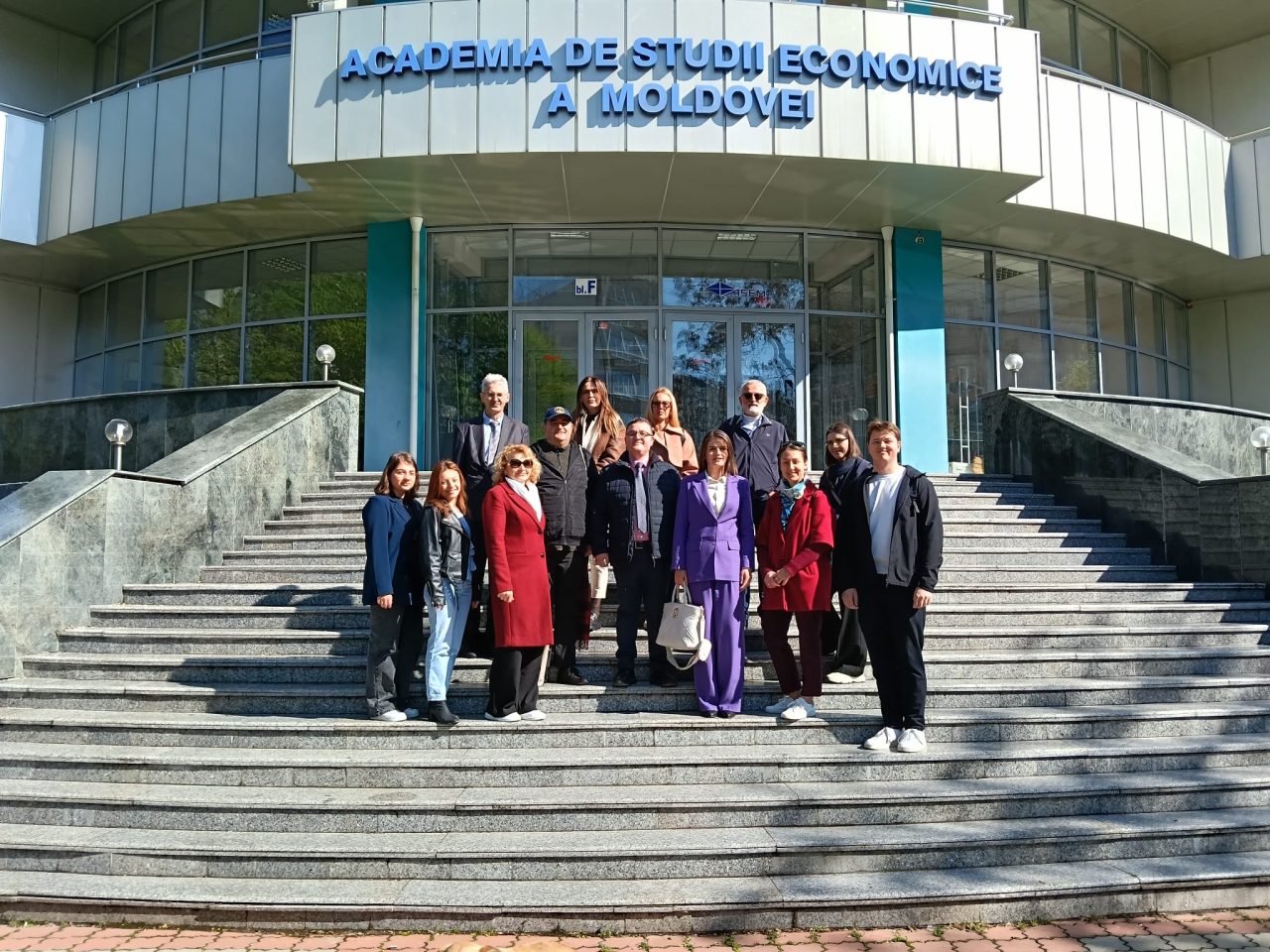
During the period April 20–26, 2026, within the framework of the CEEPUS project PL-1910-02-2526 “Supply Chains Management: From the Perspective of National Industries”, activities were held at the Academy of Economic Studies in Chișinău, Republic of Moldova.
Representatives from the Faculty of Economics of the University of Tetova participated in these activities: Prof. Dr. Brikend Aziri, Dean of the Faculty of Economics; Prof. Dr. Vjollca Hasani Limani, Vice-Dean for Science; as well as students Zana Abazi and Era Memedi, from the first cycle of studies in the study program Finance and Accounting.
In accordance with the project agenda, the first coordination meeting of the network was held, where, in addition to the University of Tetova, partner universities from the region and beyond also participated, including: the University of Tirana (Albania), the University of Pristina (Kosovo), the University of East Sarajevo (Bosnia and Herzegovina), the University of Osijek (Croatia), Edutus University (Hungary), the Academy of Economic Studies of Moldova, the Mediterranean University (Montenegro), the Lodz University of Technology (Poland), and the West University of Timișoara (Romania).
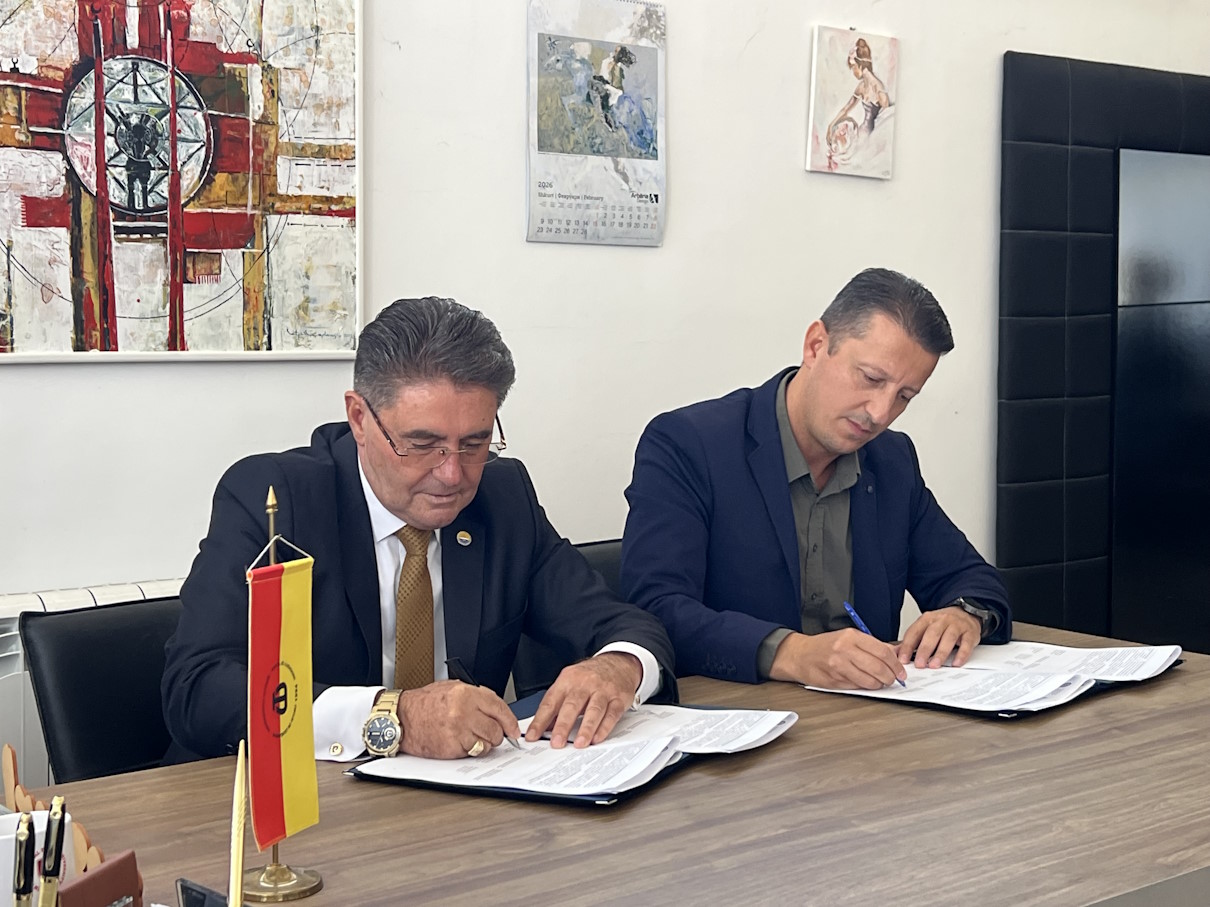
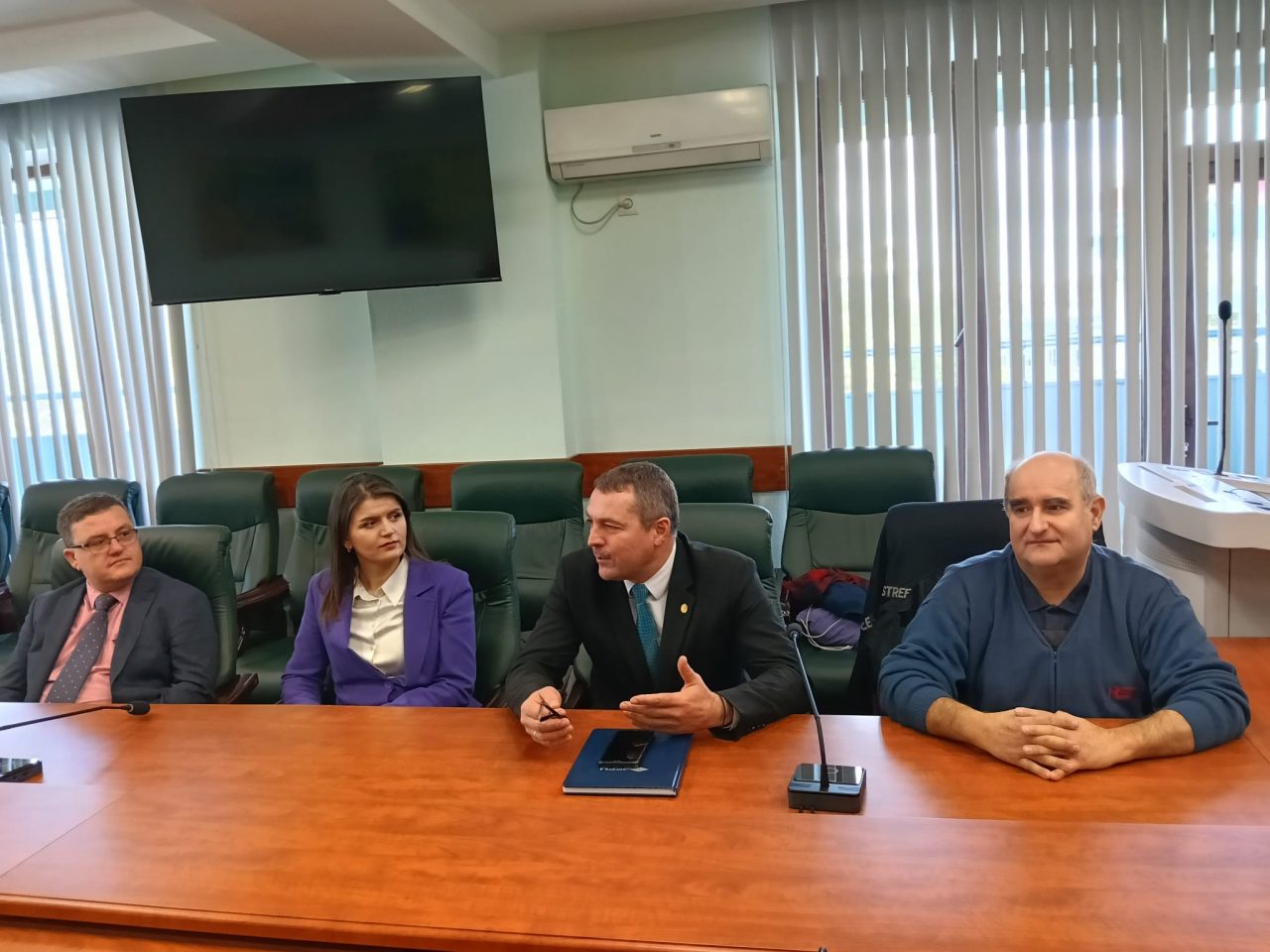
As part of the ongoing activities, the delegation also held a coordination meeting with the Rector of the Academy of Economic Studies of Moldova, Alexandru Stratan. During this meeting were discussed opportunities for strengthening interinstitutional cooperation through the formalization of relevant agreements, with a focus on the development of scientific research and the exchange of academic staff and students.
During this visit, Prof. Dr. Brikend Aziri delivered a lecture on the topic “The Role of Human Resources in Supply Chain Management”, while Prof. Dr. Vjollca Hasani Limani lectured on “Planning and Coordinating Supply and Demand in Supply Chains”. Meanwhile, students Era Memedi and Zana Abazi participated in the International Youth Symposium, where they presented their paper titled “Digital Money or Cash: Are We Ready for a Cashless Society?”
Additionally, in line with the project’s objectives, study visits were carried out in relevant businesses, which contributed to deepening practical knowledge and strengthening the applied dimension of the learning process.