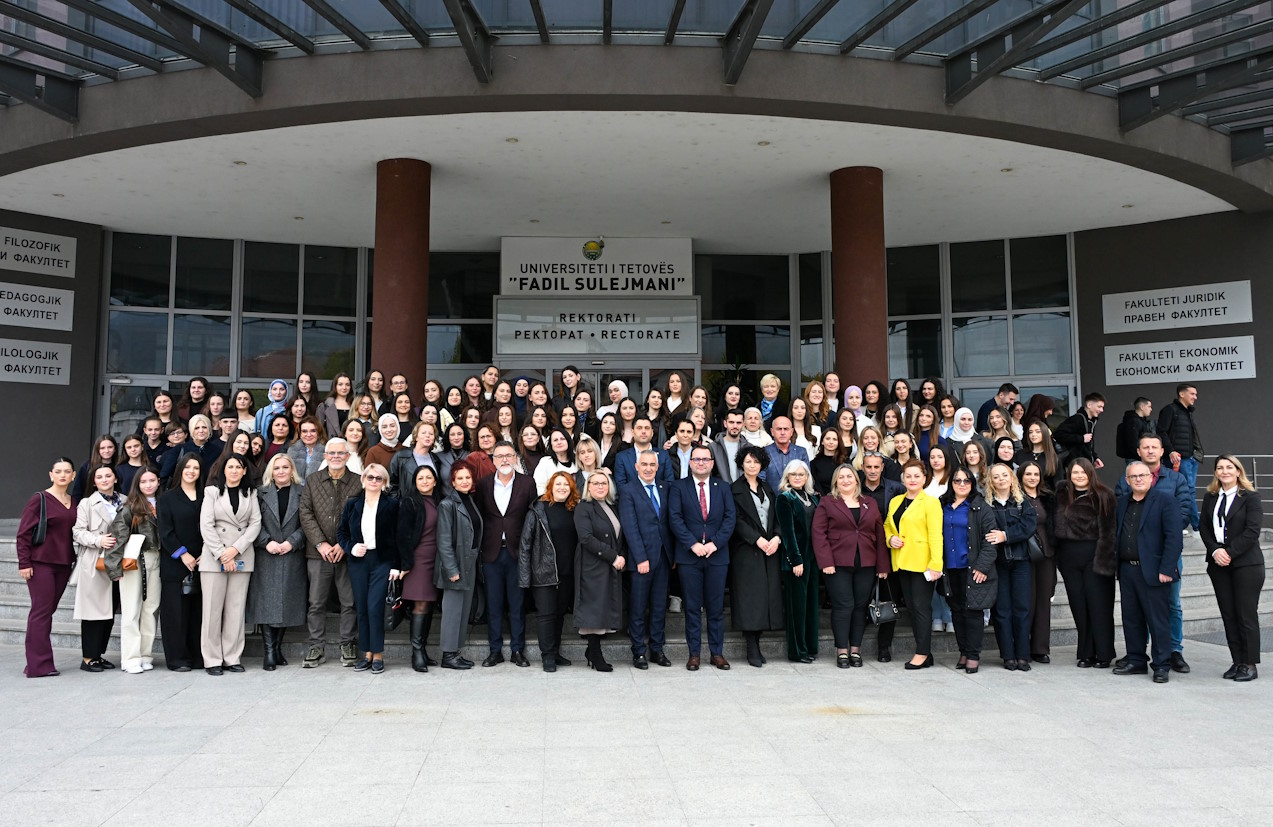
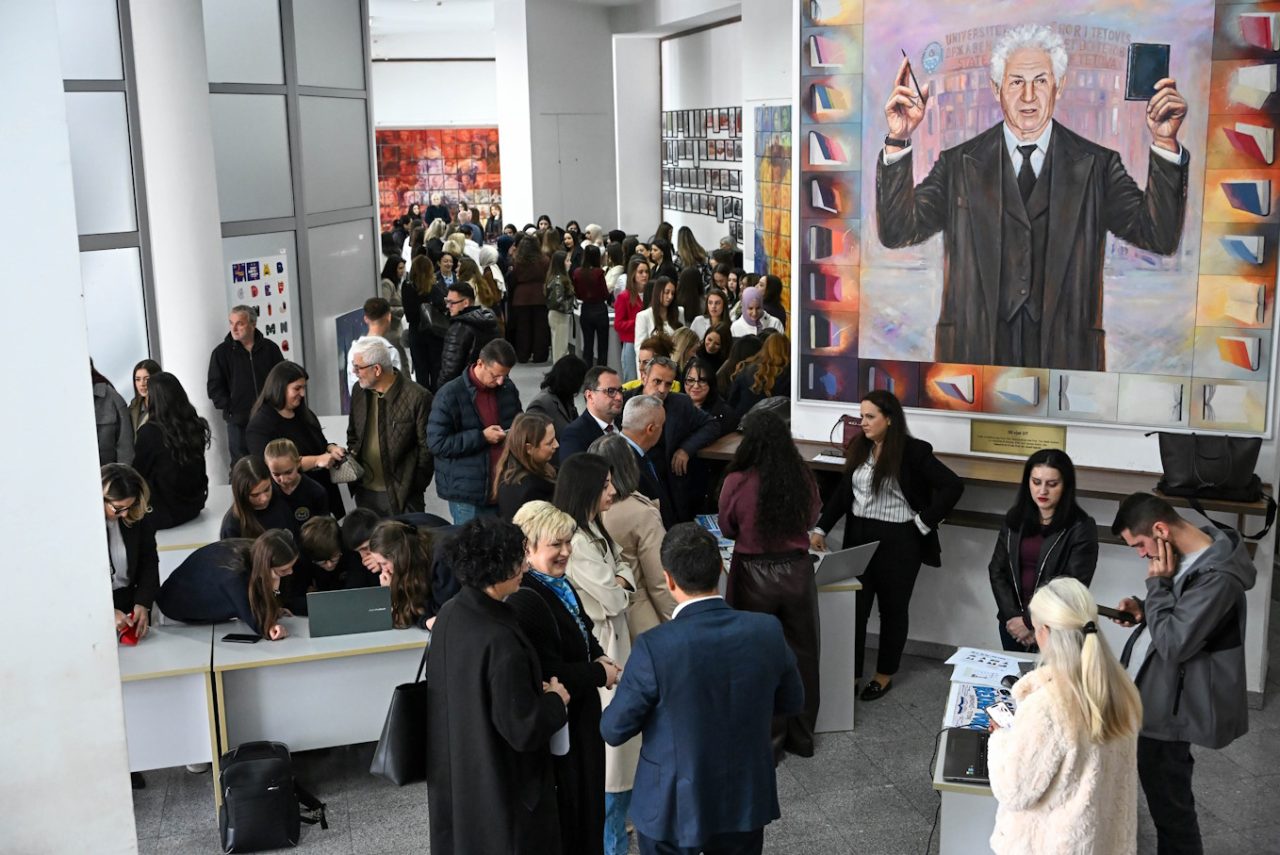
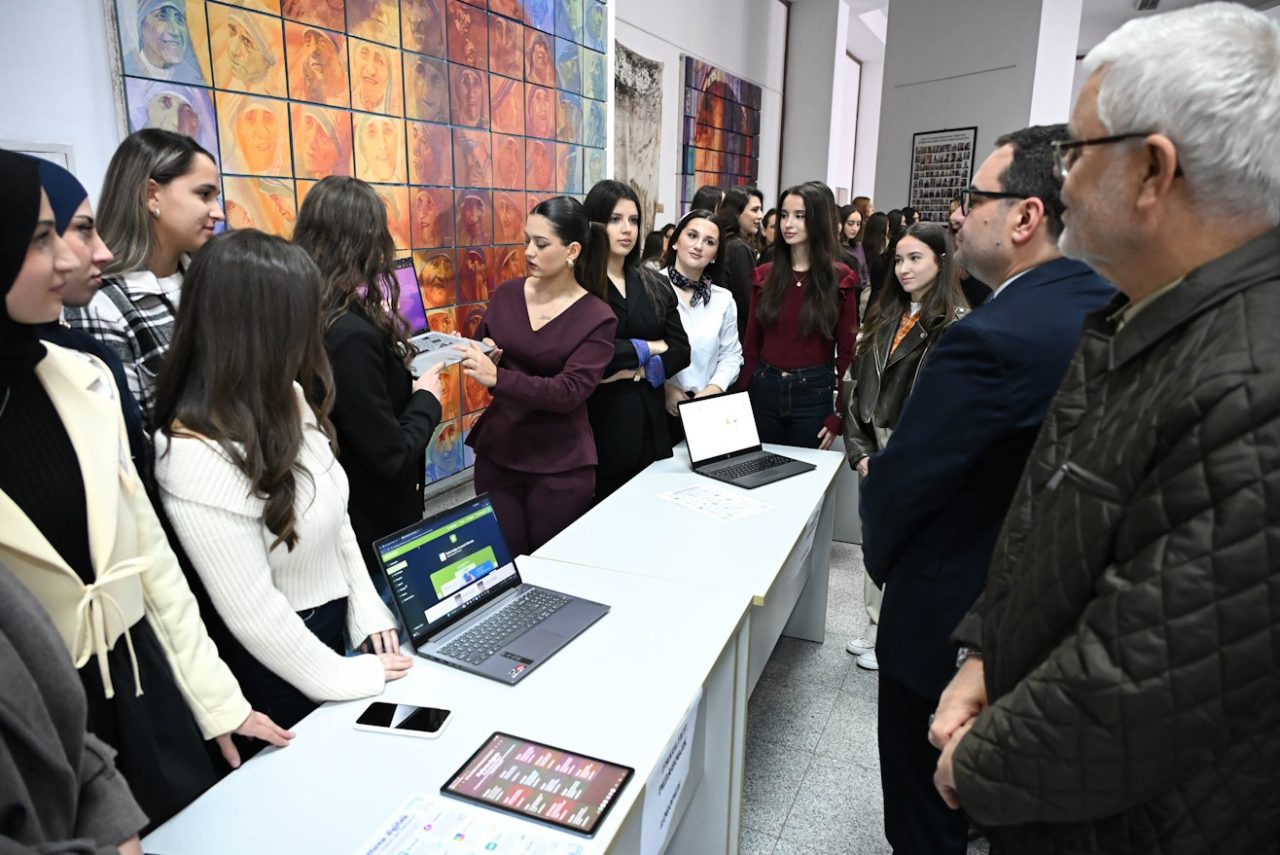
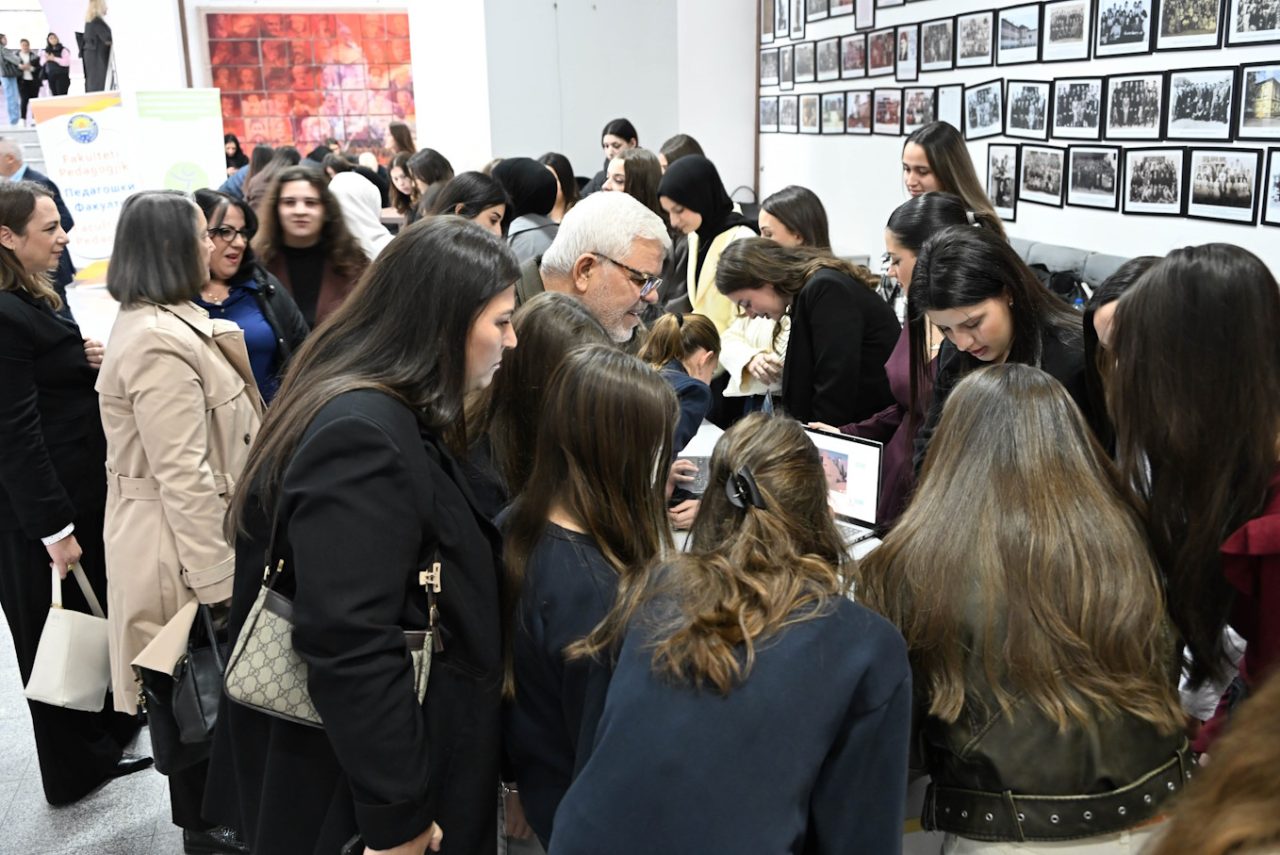
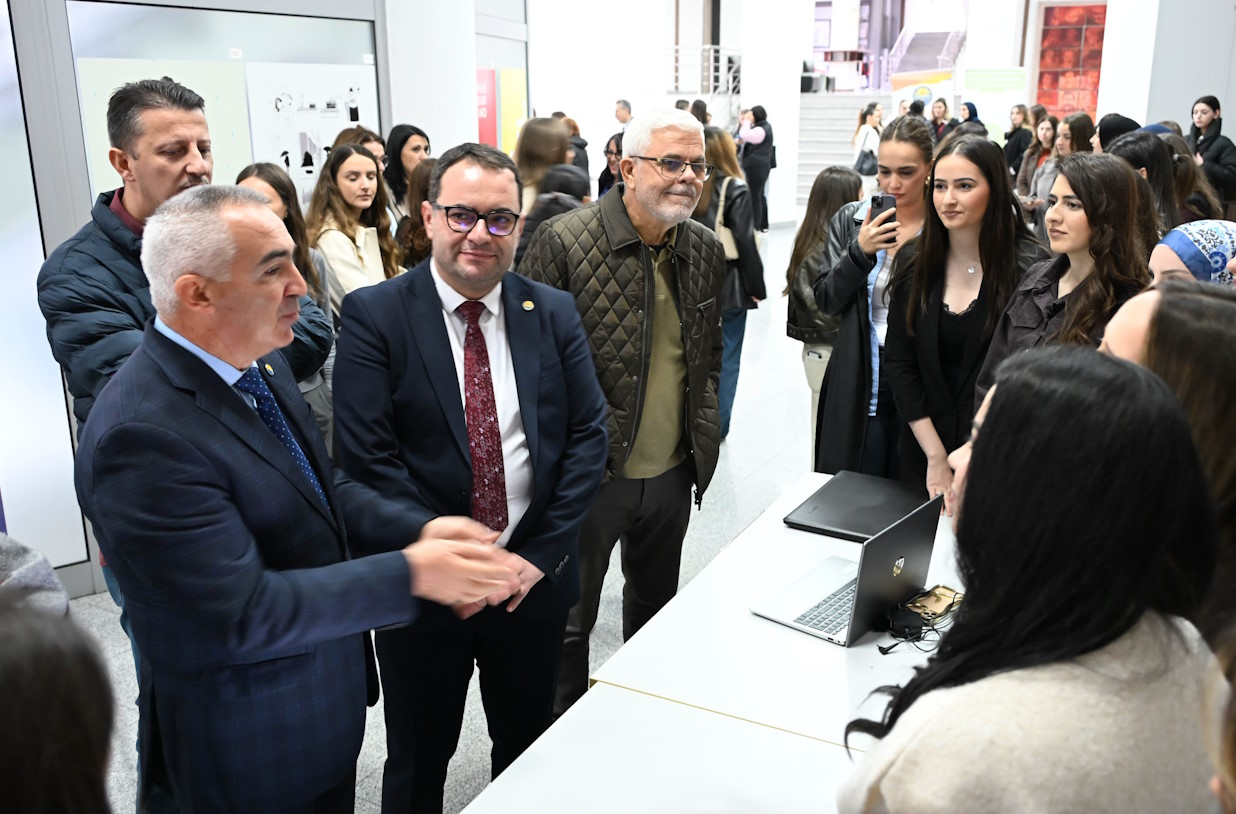
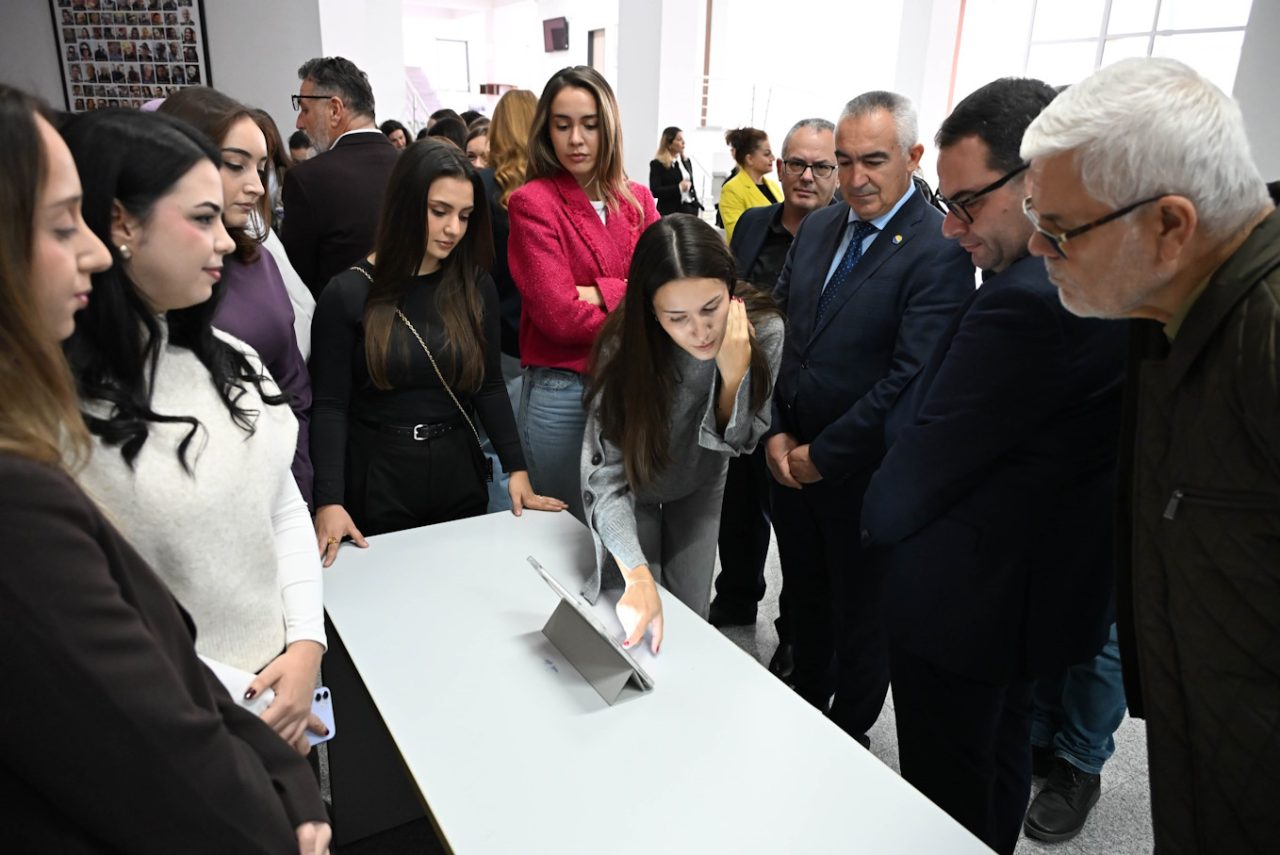
Faculty of Pedagogy of the University of Tetova successfully concluded today the sixth edition of the Special Study Week (SSW) 2026, an academic event dedicated this year to the theme “Artificial Intelligence and Digitalization in Education – Opportunities, Challenges, and Practical Experiences”. The closing event featured the presentation and exhibition of digital products developed by students over five days of work, highlighting the tangible results of their engagement and the opportunities that contemporary technologies offer for transforming educational practices.
The Macedonian Civic Education Center (MCEC) was a partner in this event, with its representatives actively contributing throughout the study program. In addition to participating in the activities held during the preceding days, they also presented various digital materials and products developed as part of their work, further enriching the practical and collaborative dimension of the week.
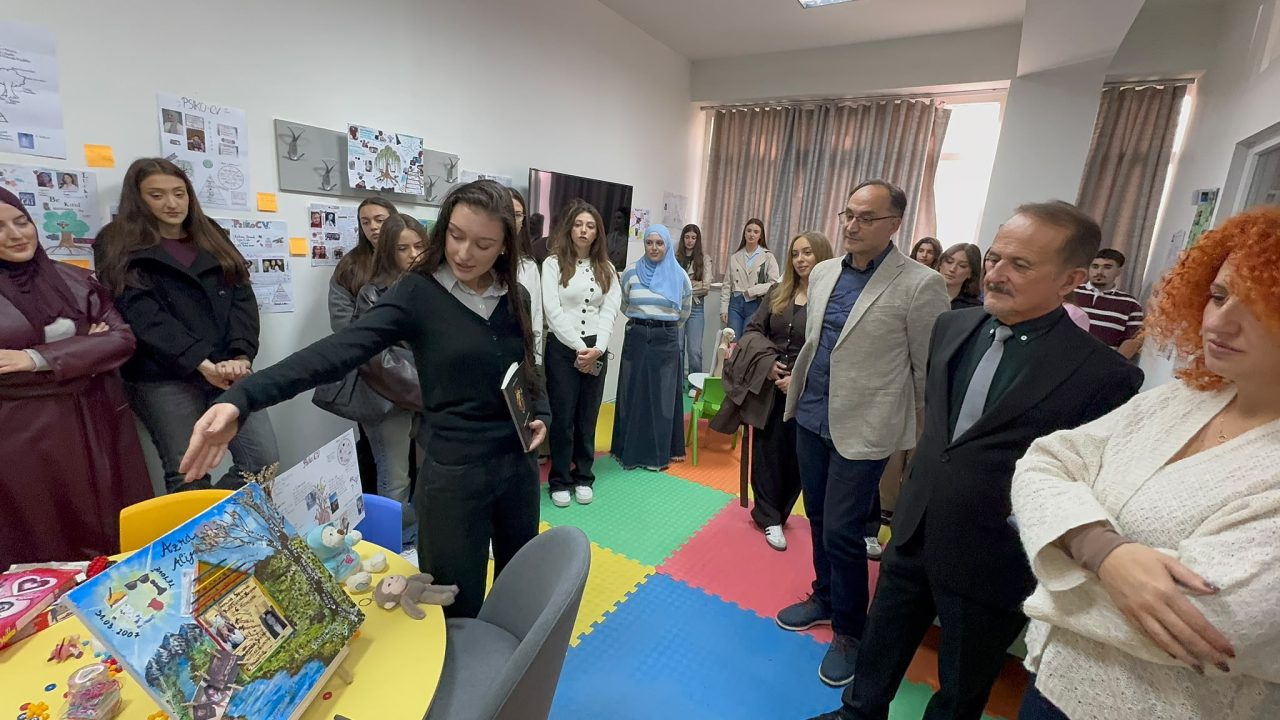
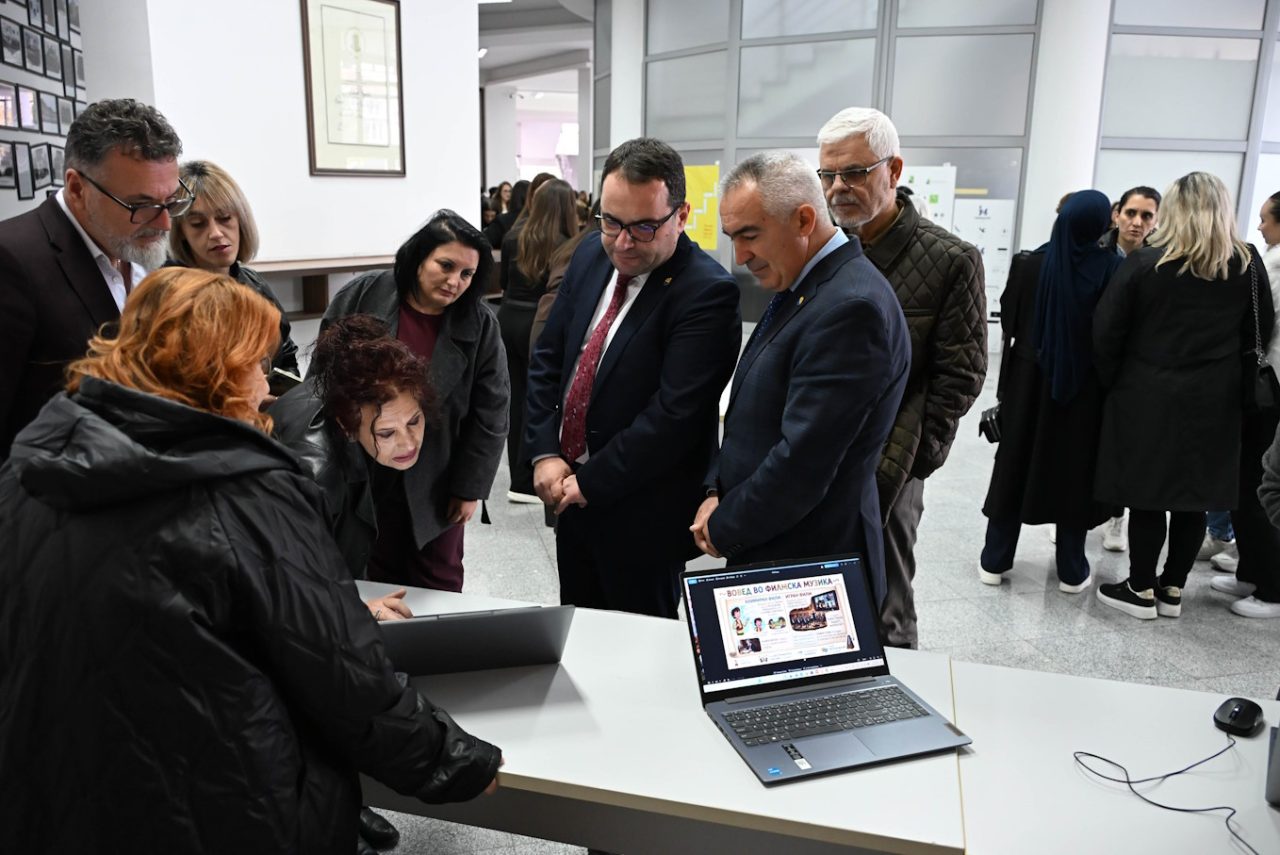
The closing exhibition brought together students from all study programs of the Faculty of Pedagogy, representatives of several primary schools from the Municipality of Tetovo, as well as representatives of the Association of Educators of Tetovo, including its president, Naim Kurtishi, and Prof. Dr. Xheladin Murati. The exhibition was also visited by the Rector of the University of Tetova, Prof. Dr. Kushtrim Ahmeti, who had the opportunity to view the students’ work and learn firsthand about the results achieved by the students, educational institutions, and partners involved in the event.
One of the distinctive features of the exhibition was the active involvement of school representatives, who, in addition to visiting the exhibition, also presented various digital materials and packages developed at their respective institutions. In this way, the event went beyond the format of a traditional exhibition, becoming a platform for cooperation and professional exchange, where students, teachers, educators, and representatives of partner organizations had the opportunity to share experiences, present their practices, and discuss opportunities for implementing digital innovations in education.
Organized for the sixth consecutive year, the Special Study Week has now become an established academic tradition of the Faculty of Pedagogy. This year’s edition aimed to comprehensively address the impact of artificial intelligence and digitalization on the educational process by combining theoretical knowledge with practical demonstrations, creative work, and professional discussions. Through this program, students were given the opportunity to become familiar with contemporary tools and platforms, explore their pedagogical potential, and develop important competencies for their future profession.
The activity program began on Monday, October 26, with introductory activities, and continued on Tuesday, October 27, with a lecture by Asst. Prof. Dr. Mirlinda Shaqiri entitled “AI for Creating Educational Materials”. During the lecture, students explored ways of using artificial intelligence to design and adapt teaching materials, worksheets, questions, stories, educational games, language development exercises, and inclusive learning resources.
Following the theoretical session, students continued with practical group work, organized according to their respective study programs. Using artificial intelligence tools, they developed digital materials and packages tailored to different age groups, learning objectives, and the individual needs of children and pupils. This approach enabled them to understand not only the creative potential of technology but also the importance of using it to address specific pedagogical needs.
On Wednesday, October 28, the program continued with the lecture entitled “Creating Digital Content and Interactive Learning”, delivered by Prof. Dr. Teuta Ramadani-Rasimi and Prof. Dr. Jasmina Troshanska. The focus of the day was on exploring various digital platforms and tools that enable the creation of interactive content and enrich the learning experience. Students became familiar with the possibilities of designing interactive presentations, quizzes, educational videos, e-books, visual materials, and learning activities based on the use of QR codes.
During the practical session, students developed mini digital lessons and interactive products through which they applied their newly acquired knowledge and experimented with innovative approaches to organizing teaching and learning. The products they created were presented and evaluated as part of joint activities, encouraging creativity, collaboration, and innovative thinking.
Another particularly important dimension was addressed on Thursday, October 29, through the topic “The Teacher in the Age of AI – Ethics, Safety, and the Final Project”. As part of the day’s program, a panel discussion was organized with the participation of Prof. Dr. Rabije Murati, Suad Seferi from the Macedonian Civic Education Center (MCEC), and five student representatives from the Faculty of Pedagogy’s study programs: Lejla Mati – Primary Education; Amra Ziberi – Professional Pedagogy; Erblina Skenderi – Speech Therapy; Vesa Zylbeari – Preschool Education; and Gilshah Shaqiri – Special Education and Rehabilitation (SER).
The discussion addressed some of the most pressing issues surrounding the integration of artificial intelligence into education, including privacy and data protection, child safety in the digital environment, authorship, plagiarism, algorithmic bias, and the spread of misinformation. Through the analysis of specific situations and the exchange of perspectives, the panelists also explored an increasingly prominent dilemma in contemporary educational debates: “Will Artificial Intelligence Replace Teachers?”
In this context, particular attention was given to the irreplaceable role of teachers in educating and shaping children and pupils, as well as to the need for technology to be used ethically, critically, and responsibly. Emphasis was placed on raising awareness of the limitations of artificial intelligence tools and preserving the human, pedagogical, and interactive dimensions of the educational process.
During the second part of the day, students continued working in groups to integrate lesson plans with digital products and develop integrated projects. This stage served as preparation for the final presentations, enabling students to organize and structure the results of their work into concrete products for the closing exhibition.
In recognition of their commitment and participation, certificates were awarded to all participants of the Special Study Week 2026 at the conclusion of the event. The certificates were presented by the Dean of the Faculty of Pedagogy, Prof. Dr. Lulzim Mehmedi; the MCEC representative, Besnik Ramadani; and representatives of the study programs, Prof. Dr. Buniamin Memedi, Prof. Dr. Ardita Ceka, and Prof. Dr. Gezim Xhambazi.
The successful conclusion of the sixth edition of the Special Study Week provides further evidence of the Faculty of Pedagogy’s commitment to enhancing the quality of academic studies, updating educational content and teaching methodologies, and ensuring the professional preparation of students in line with contemporary developments in the field of education. At the same time, cooperation with the MCEC, primary schools, and the Association of Educators of Tetovo gave the event an important inter-institutional dimension, creating concrete opportunities for interaction and the exchange of experiences between the academic community and school practice.
Through this initiative, the Faculty of Pedagogy aims to prepare future professionals who are equipped to respond to the demands and challenges of contemporary education and capable of purposefully integrating new technologies into their professional practice on sound pedagogical grounds. From this perspective, artificial intelligence and digitalization are not regarded as alternatives to replacing teachers, but rather as tools that, when used competently and responsibly, can enrich teaching, support learning, foster creativity, and contribute to the development of more inclusive and effective educational environments.
Today’s event marked the conclusion of this five-day process through the presentation of a wide range of products and materials developed by the students. These included teaching materials created with the support of artificial intelligence, interactive quizzes, e-books, educational videos, infographics, QR code-based learning activities, as well as integrated projects covering various fields of education. Alongside the students’ work, the presentation of materials developed by schools and digital products created by the MCEC provided an opportunity to showcase and promote good practices, further strengthening cooperation between higher education institutions and pre-university educational institutions.