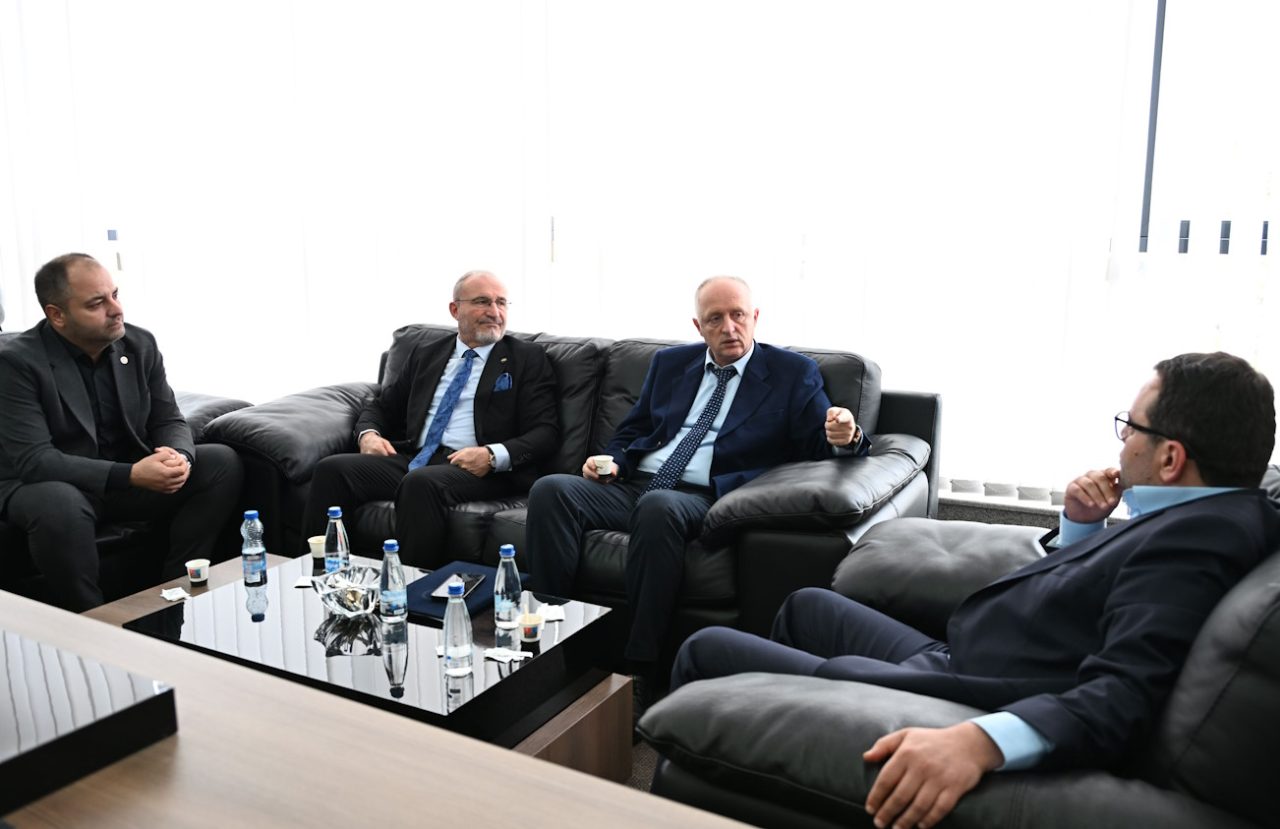
Renowned journalist Lutfi Dervishi from the Republic of Albania visited the University of Tetova today, where he was welcomed by the Rector, Prof. Dr. Kushtrim Ahmeti, the Vice-Rector for Science, Prof. Dr. Agon Memeti, and the Vice-Rector for Education, Prof. Dr. Vullnet Ameti.
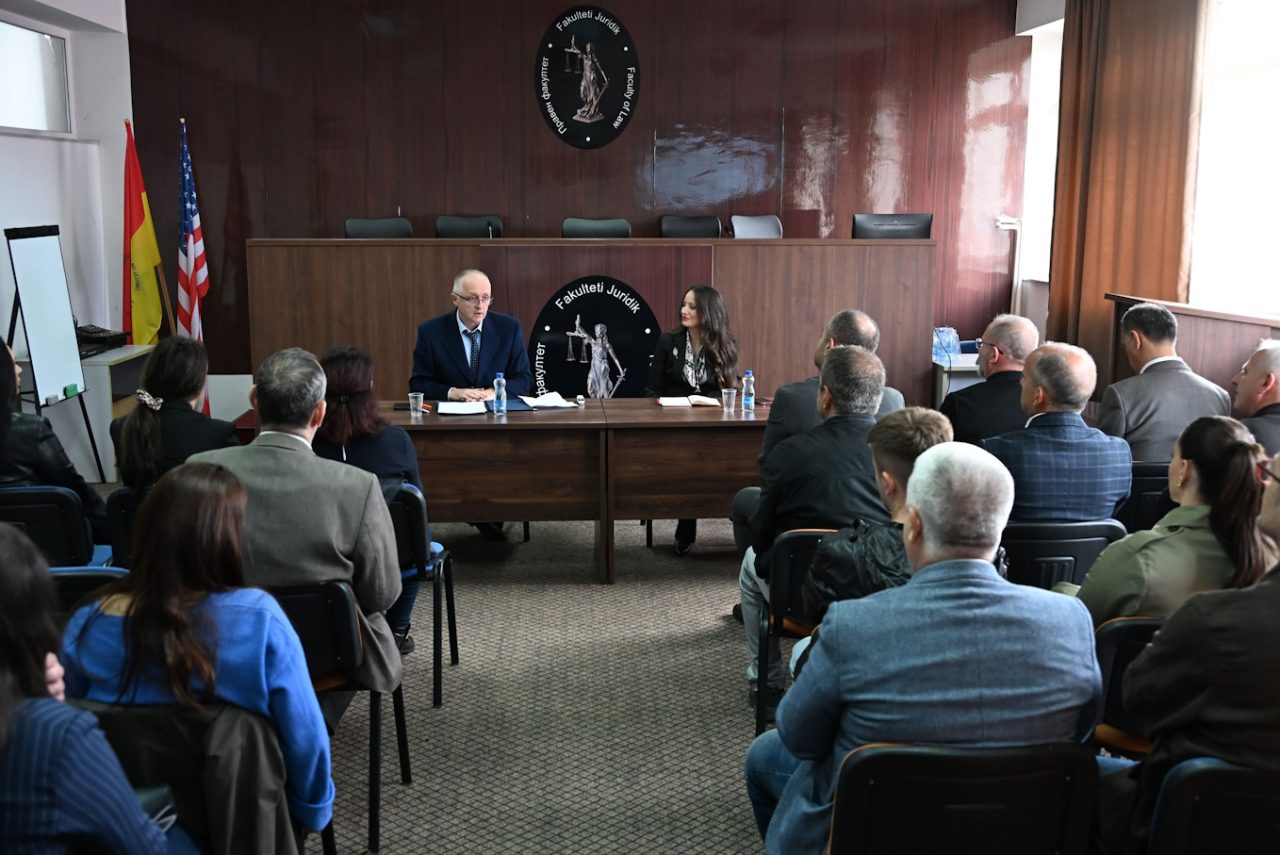
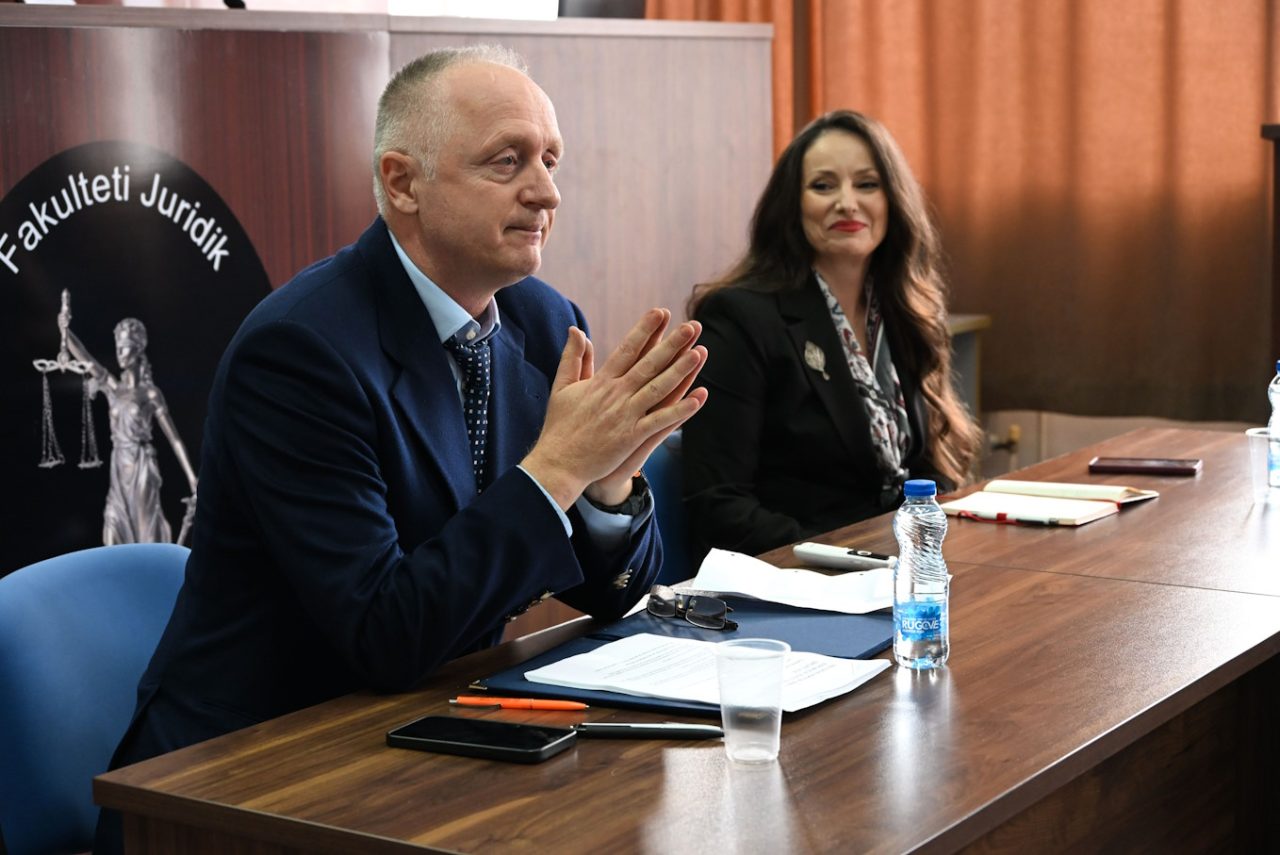
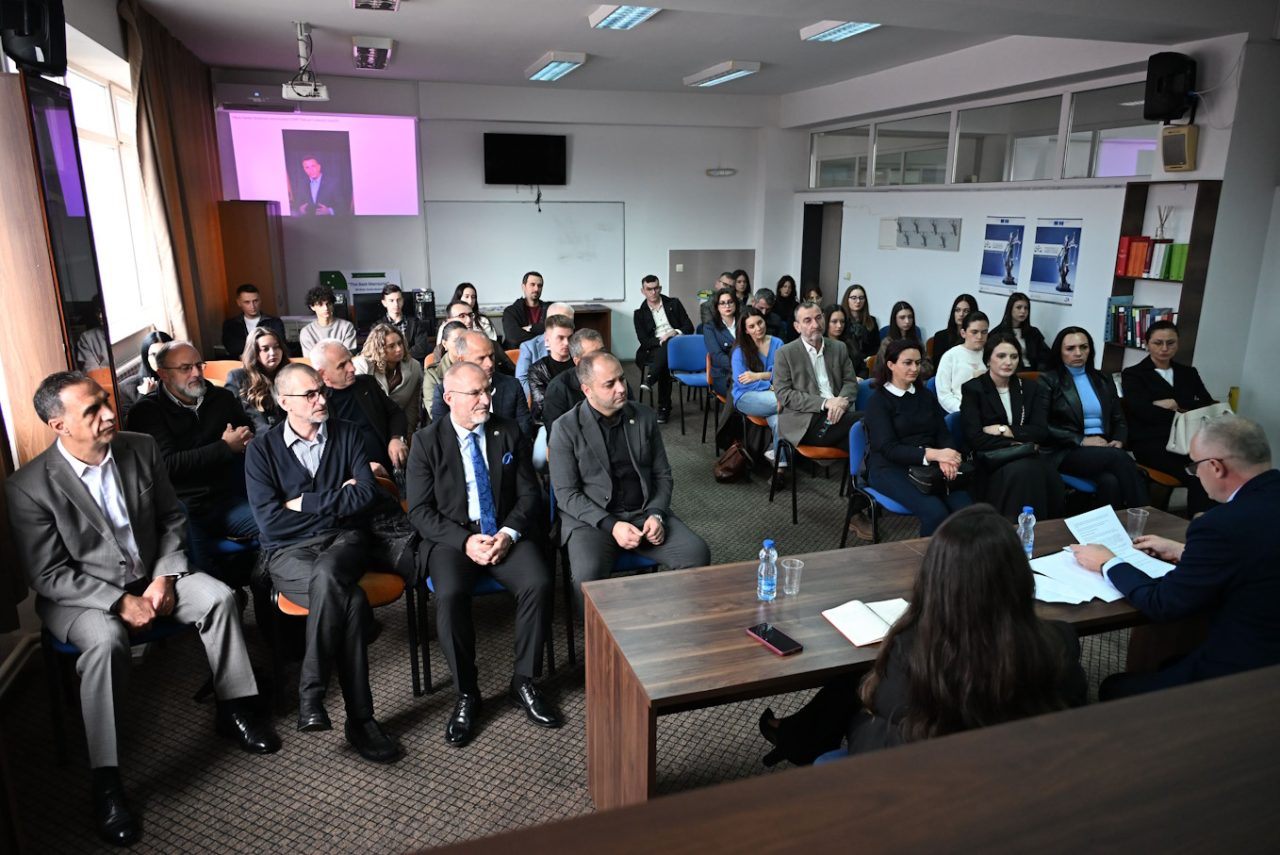
Later, at the Legal Clinic of the Faculty of Law of the University of Tetova, he delivered a lecture entitled “Critical Thinking and Information Verification in the Digital Age”, moderated by the coordinator of the center, Asst. Prof. Dr. Njomza Selimi-Osmani. During the lecture, he addressed the challenges of accessing and evaluating information in the age of social media and artificial intelligence.
During the discussion with students and other attendees, he focused on the importance of critical thinking, fact-checking, and responsibility in sharing information at a time when false content, manipulated photographs, and AI-generated videos are making it increasingly difficult to distinguish between reality and fabrication.
During his lecture, the journalist introduced the concept of the “theory of three worlds”: the real world, the virtual world, and the synthetic world. Through this model, he explained how real-life events are reflected and interpreted on social media, while artificial intelligence technologies can generate content that does not correspond to reality but can directly influence people’s perceptions and behavior.
An important part of the lecture was also dedicated to the role of professional journalism in the new media environment. Mr. Dervishi emphasized that the ability to publish content does not automatically make someone a journalist, as genuine journalism is based on information verification, independence, context, transparency, and public accountability.
He highlighted that critical thinking does not mean opposing everything or distrusting everyone, but rather having the ability to examine claims, evaluate evidence, distinguish facts from interpretations, and change one’s position when new evidence emerges.
In this context, the responsibility of educational institutions in preparing students to face the challenges of the digital age was also emphasized. The key message of the lecture was that universities should equip young people not only with the skills to use technology, but also with the ability to verify information and critically evaluate responses generated by artificial intelligence.
In conclusion, Lutfi Dervishi conveyed the message that, at a time when information can be manipulated and content can easily be fabricated, truth remains essential and requires continuous effort to uncover and protect it.