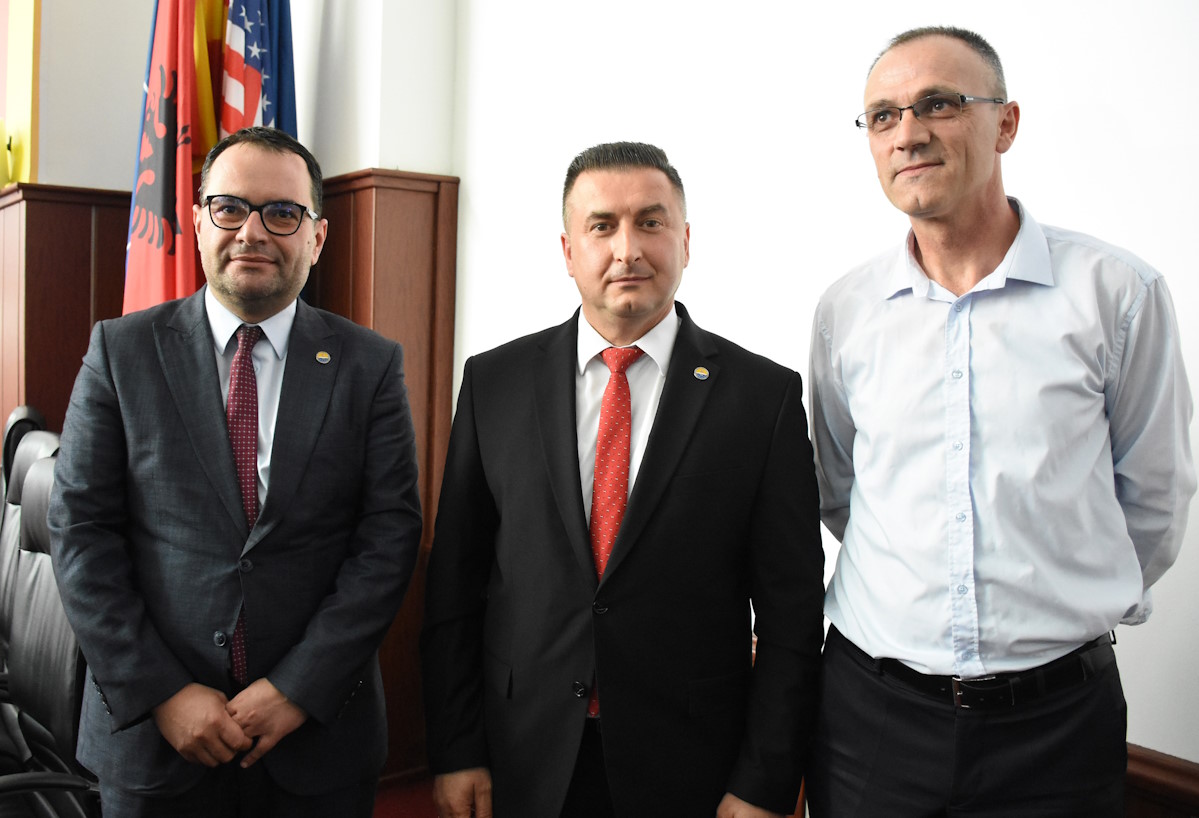
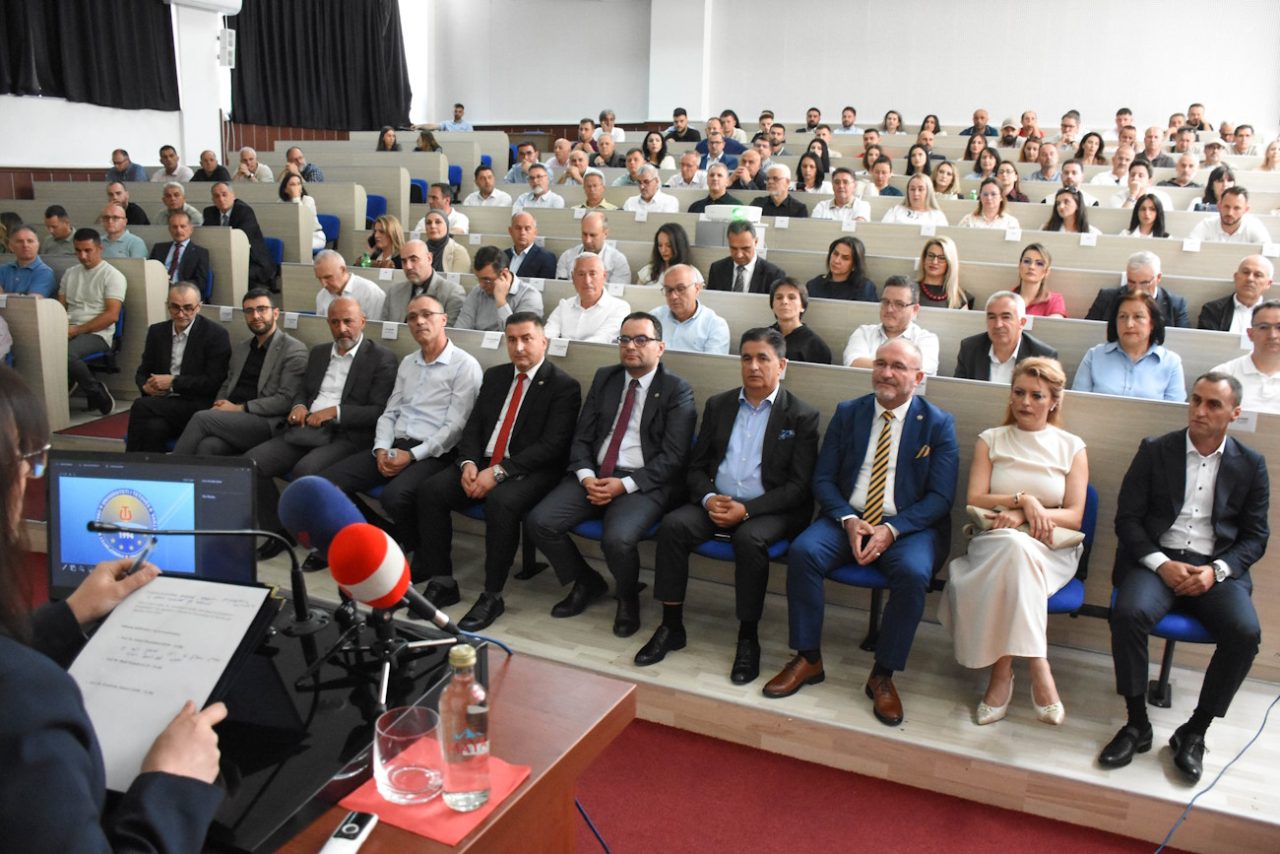
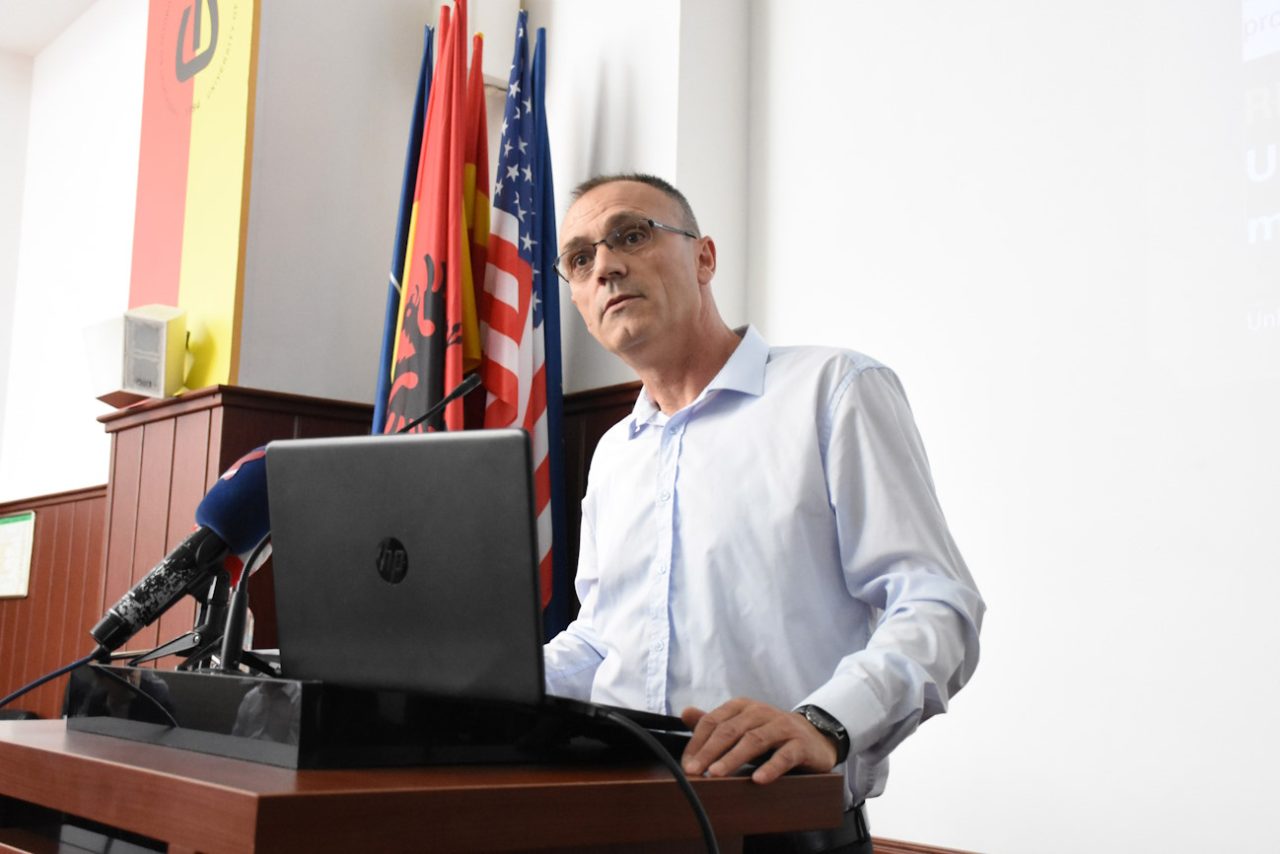
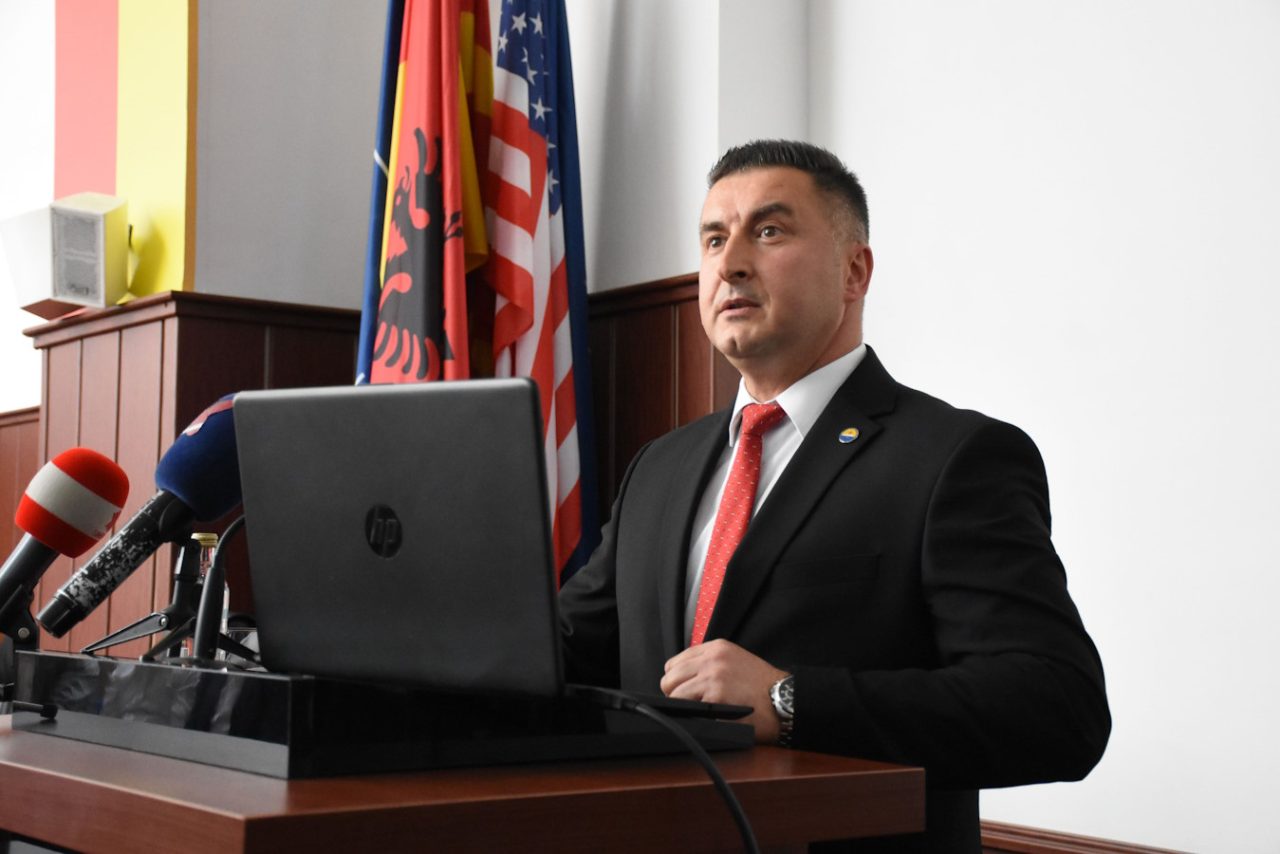
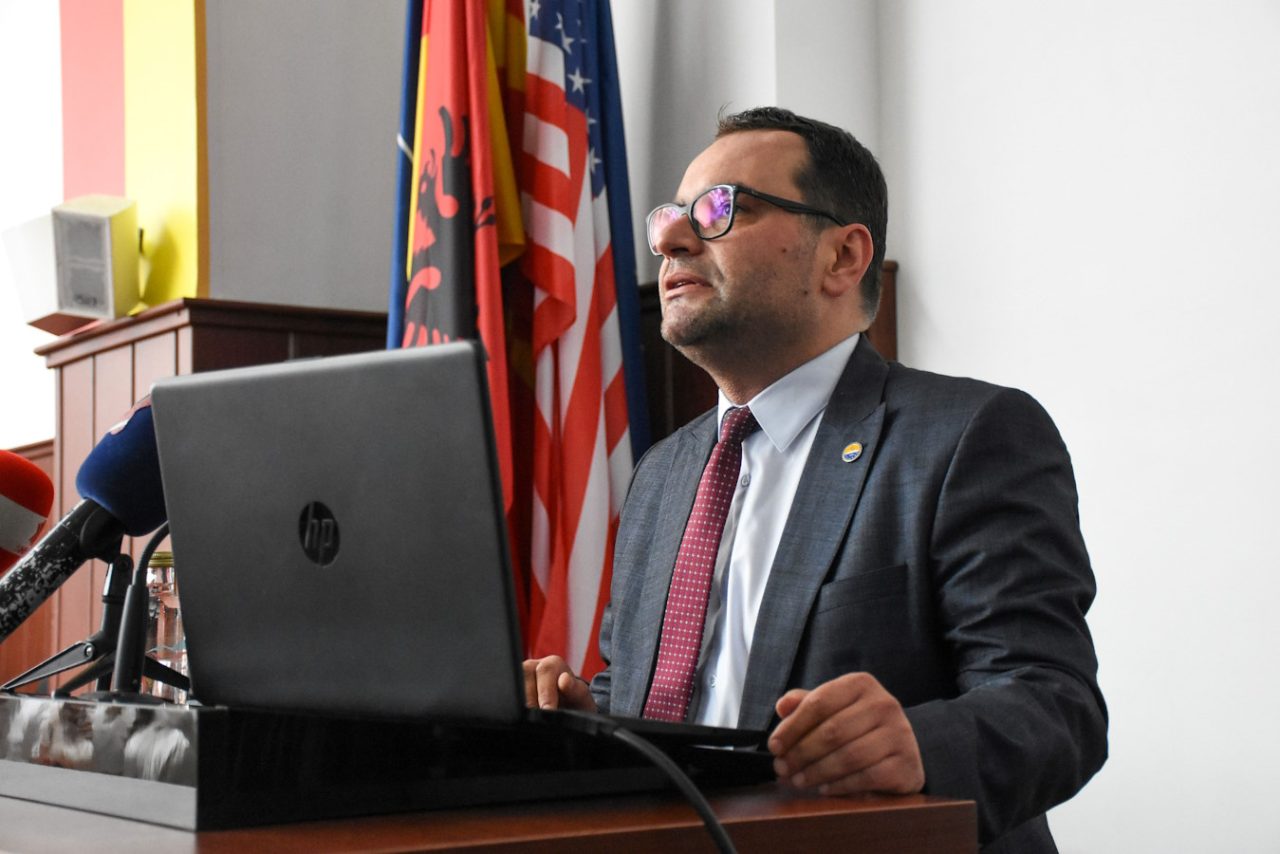
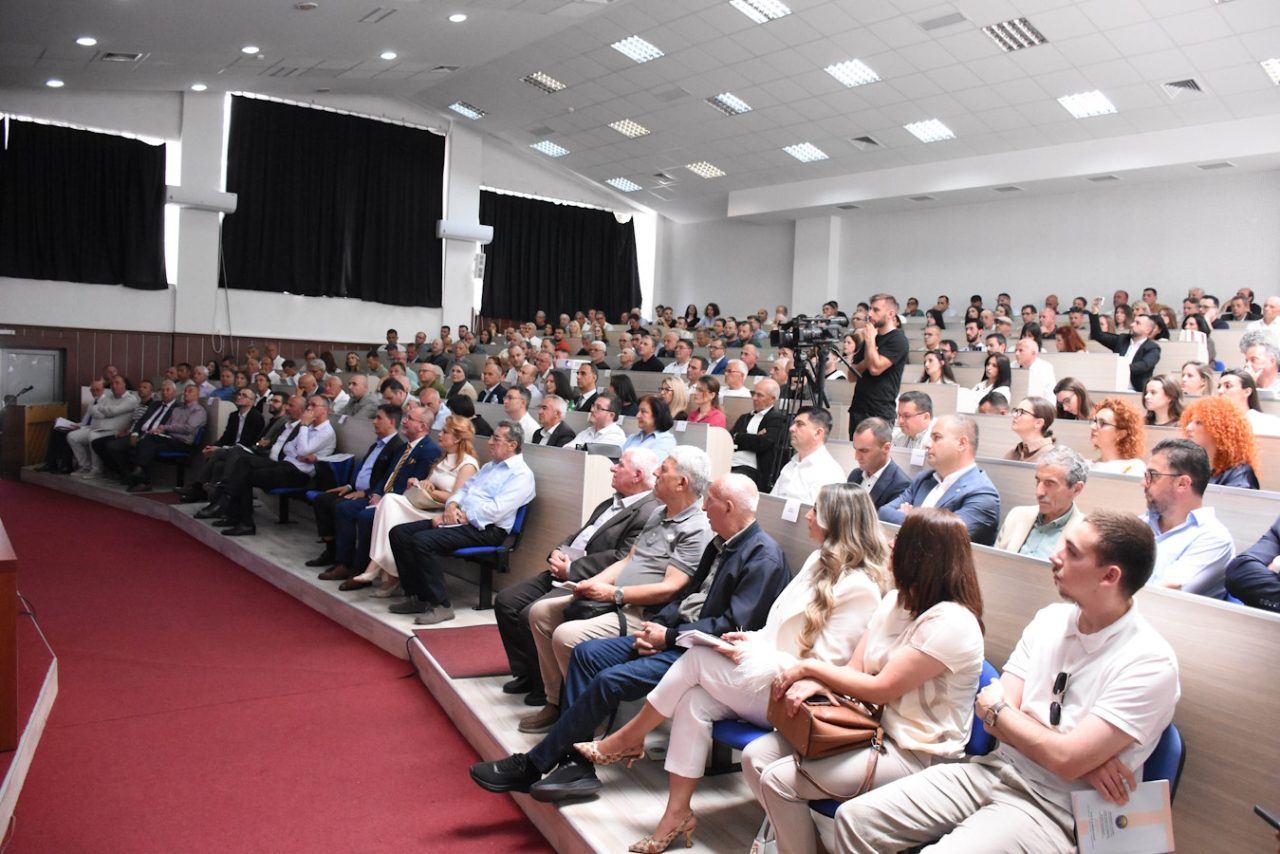
One of the most important institutional and academic processes is currently taking place at the University of Tetova—the election of the Rector for the 2026–2029 mandate. Participating in this academic race are Prof. Dr. Fehari Ramadani, Prof. Dr. Jusuf Zejneli, and Prof. Dr. Kushtrim Ahmeti, who today presented their program platforms and their vision for the future leadership of the university.
The election process for the new Rector is regarded as a particularly significant moment for the future of the University of Tetova, considering the challenges faced by modern universities in the fields of higher education, scientific research, digitalization, and internationalization.
The platforms presented by the candidates highlight priorities related to enhancing academic quality, modernizing university processes, expanding international cooperation, and improving conditions for students and academic staff. However, each candidate offers a different approach to institutional development and to the implementation of future reforms.
One of the most prominent topics in the candidates’ programs is quality in higher education. All three candidates emphasized the need to modernize study programs, align them with European standards, and adapt the university to contemporary developments.
The programs presented include ideas for advancing teaching methodologies, improving quality assurance mechanisms, and promoting the professional development of academic staff. The candidates also outlined their visions for increasing institutional efficiency and creating a more functional environment for teaching and scientific research.
Another important dimension of the program platforms concerns scientific research and the internationalization of the University of Tetova. The candidates emphasized that the university should increase its participation in international research projects, strengthen cooperation with partner universities and academic institutions, and create more opportunities for the mobility of students and academic staff.
In the programs presented, internationalization is viewed as one of the key mechanisms for enhancing quality and increasing the university’s competitiveness at both the regional and international levels. In this context, the candidates proposed expanding academic partnerships, increasing participation in European programs, and strengthening the university’s presence in international higher education networks.
Students and student welfare also constitute an important part of the debates and program priorities. All three candidates presented initiatives aimed at improving study conditions, expanding university services, and increasing student involvement in academic and institutional life.
In this regard, the programs include proposals for creating more functional spaces for students, providing greater support for academic and cultural activities, and encouraging student participation in research and innovation projects.
Another key element of their platforms is the digitalization and modernization of the university environment. The candidates presented plans to enhance administrative and academic systems, expand the use of modern technologies, and increase institutional transparency and efficiency.
The presentations also placed emphasis on the use of artificial intelligence, the development of modern university management systems, and the creation of a university that is more open to the technological transformations that are increasingly shaping higher education.
In addition to the academic and scientific dimensions, the candidates also addressed issues related to institutional management, funding, transparency, and the university’s social responsibility. In this regard, the programs focus on establishing a more efficient administration and strengthening the role of the University of Tetova in social, cultural, and economic development.
Priorities of the candidates for Rector of the University of Tetova:
Prof. Dr. Fehari Ramadani
In his program platform for the 2026–2029 mandate, Prof. Dr. Fehari Ramadani presents a development model focused on institutional strengthening, improving university functionality, and advancing academic quality.
One of the key pillars of his program is the modernization of study programs and their alignment with labor market needs and contemporary higher education standards.
The platform places special emphasis on the professional development of academic staff, the advancement of quality assurance mechanisms, and the creation of more favorable conditions for teaching and research engagement.
In terms of scientific research, the program foresees greater support for research projects, academic publications, and participation in international initiatives and programs.
It also focuses on expanding cooperation with partner universities and academic institutions, as well as increasing mobility for students and university staff.
The platform also addresses issues related to the digitalization and modernization of administrative and academic processes, aimed at improving institutional efficiency and enhancing university services.
Students are presented as an important part of the program, with the aim of improving student welfare, expanding support services, and creating more functional conditions for academic and professional development.
Through this platform, Prof. Dr. Fehari Ramadani aims to strengthen the institutional capacities of the University of Tetova and to advance the university’s academic and organizational quality in line with contemporary developments in higher education.
Prof. Dr. Jusuf Zejneli
In his program platform for the 2026–2029 mandate, Prof. Dr. Jusuf Zejneli presents an approach focused on institutional continuity, the consolidation of existing reforms, and the gradual advancement of the University of Tetova in academic and organizational terms.
One of the main priorities of his program is improving the quality of the teaching process and aligning study programs with contemporary European higher education standards. The platform foresees the modernization of teaching methodologies, the professional development of academic staff, and the advancement of quality assurance mechanisms.
In the field of scientific research and international cooperation, Prof. Dr. Jusuf Zejneli’s program focuses on expanding academic partnerships with international universities and institutions, as well as increasing participation in scientific projects and European programs.
The platform also addresses issues related to the digitalization of administrative and academic processes, aiming to improve institutional efficiency and enhance services for students and university staff.
Students hold an important place in his program, which foresees improving study conditions, expanding university services, and increasing student involvement in academic and institutional life.
Through this platform, Prof. Dr. Jusuf Zejneli aims to continue the development of the University of Tetova in the direction of institutional stability, internationalization, and the continuous improvement of academic quality.
Prof. Dr. Kushtrim Ahmeti
In his program platform for the 2026–2029 mandate, Prof. Dr. Kushtrim Ahmeti presents a reform-oriented and innovative approach to the development of the University of Tetova, with a particular focus on academic modernization and digital transformation.
One of the main priorities of the program is advancing the quality of higher education through the modernization of curricula, the use of contemporary teaching methods, and the integration of modern technologies into the academic process.
The platform foresees the use of artificial intelligence and personalized learning models, aiming to create a more flexible university that is better adapted to global developments in higher education.
In the field of scientific research, Prof. Dr. Kushtrim Ahmeti proposes the creation of a more advanced research ecosystem, greater support for scientific projects, and the strengthening of institutes and research centers.
His program also focuses on expanding international cooperation, increasing participation in European projects, and establishing new academic partnerships with international universities and institutions.
In relation to students, the platform aims to increase their involvement in scientific research, innovative projects, and creative activities, as well as to improve study conditions and university services.
Through this platform, Prof. Dr. Kushtrim Ahmeti aims to build a more innovative and competitive university that is oriented toward contemporary technological and academic transformations.
University of Tetova, as one of the most important higher education institutions in the country and the region, continues to remain a center of particular academic and national importance. The election for the next rector will be held on June 4, 2026, and this process is being closely followed by the university community, students, and the public.
The candidates’ program platforms present different visions for the university’s development in the coming years, while the outcome of the election is expected to determine the future direction of the University of Tetova in academic, scientific, and institutional terms.