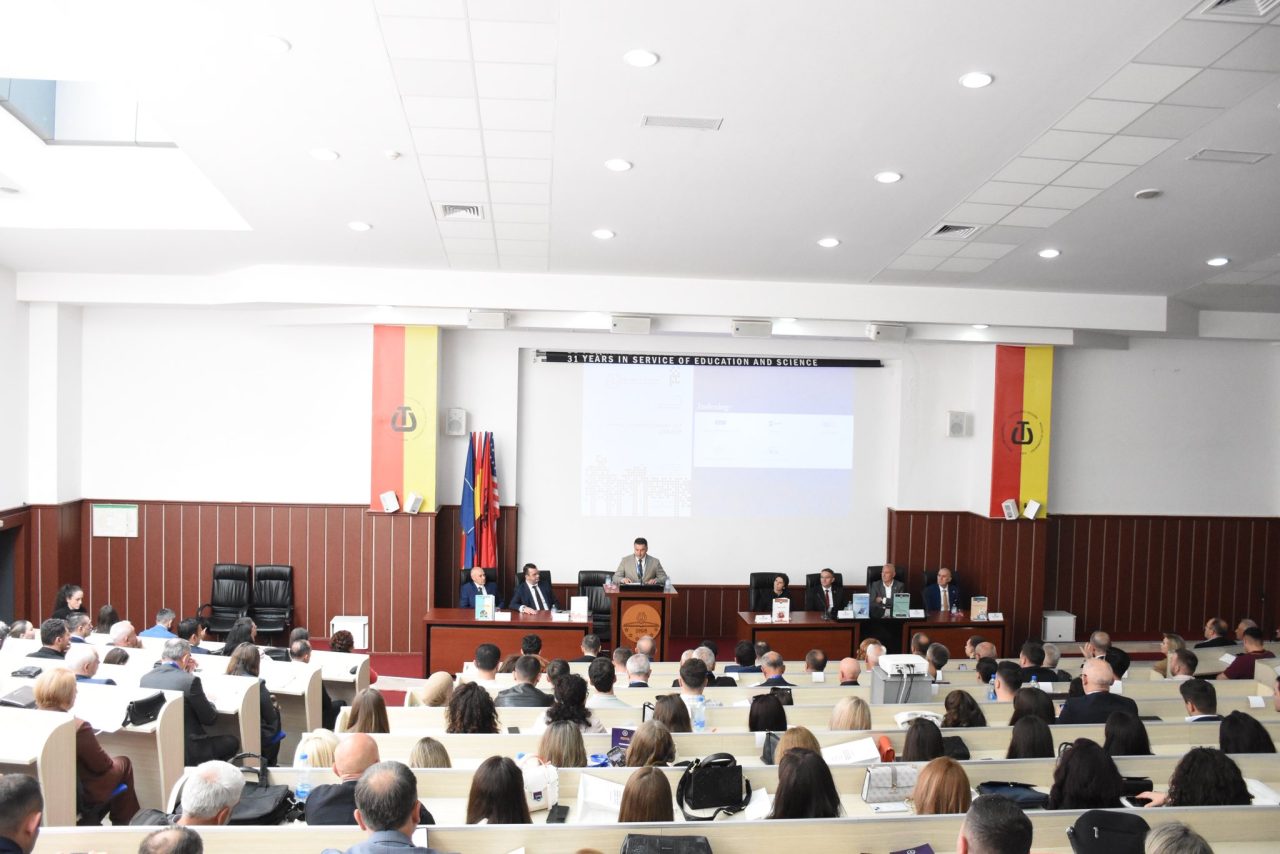
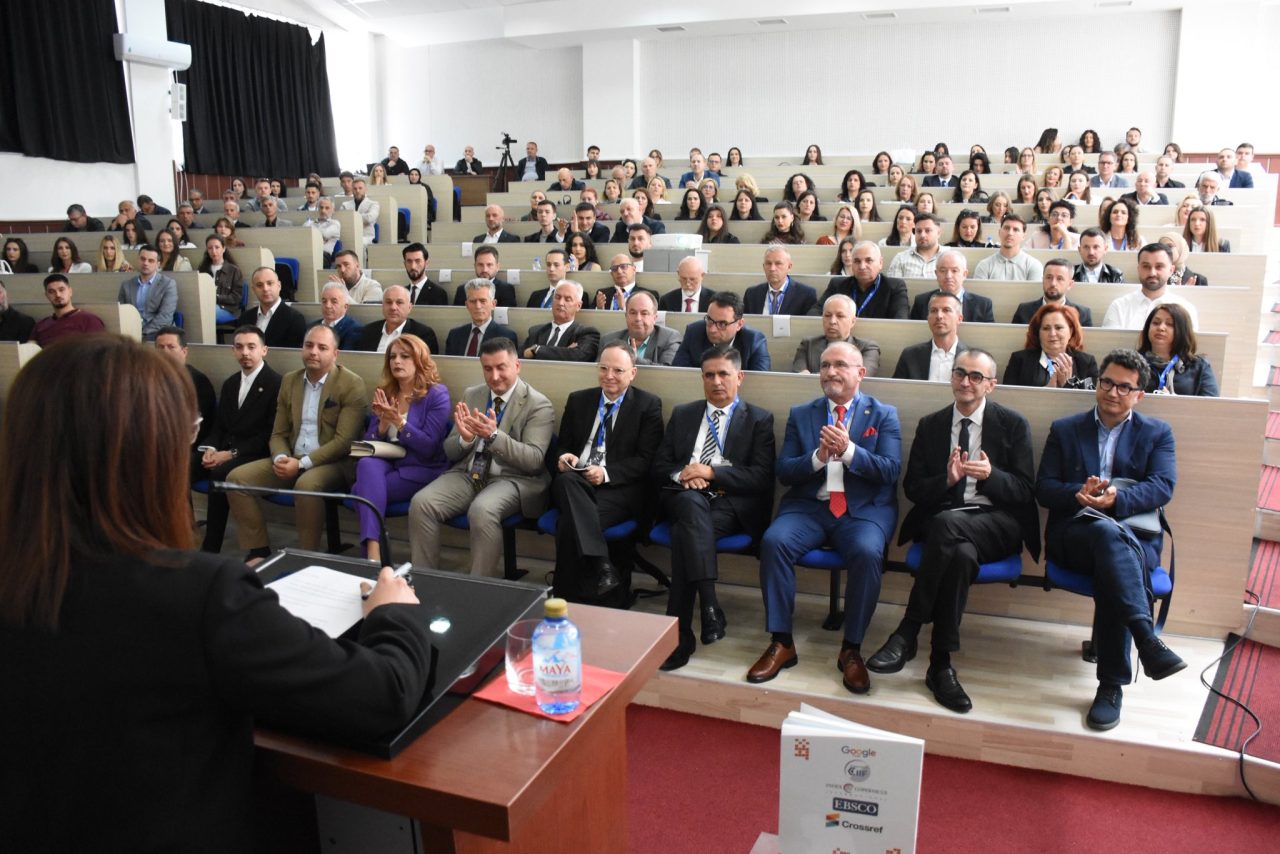
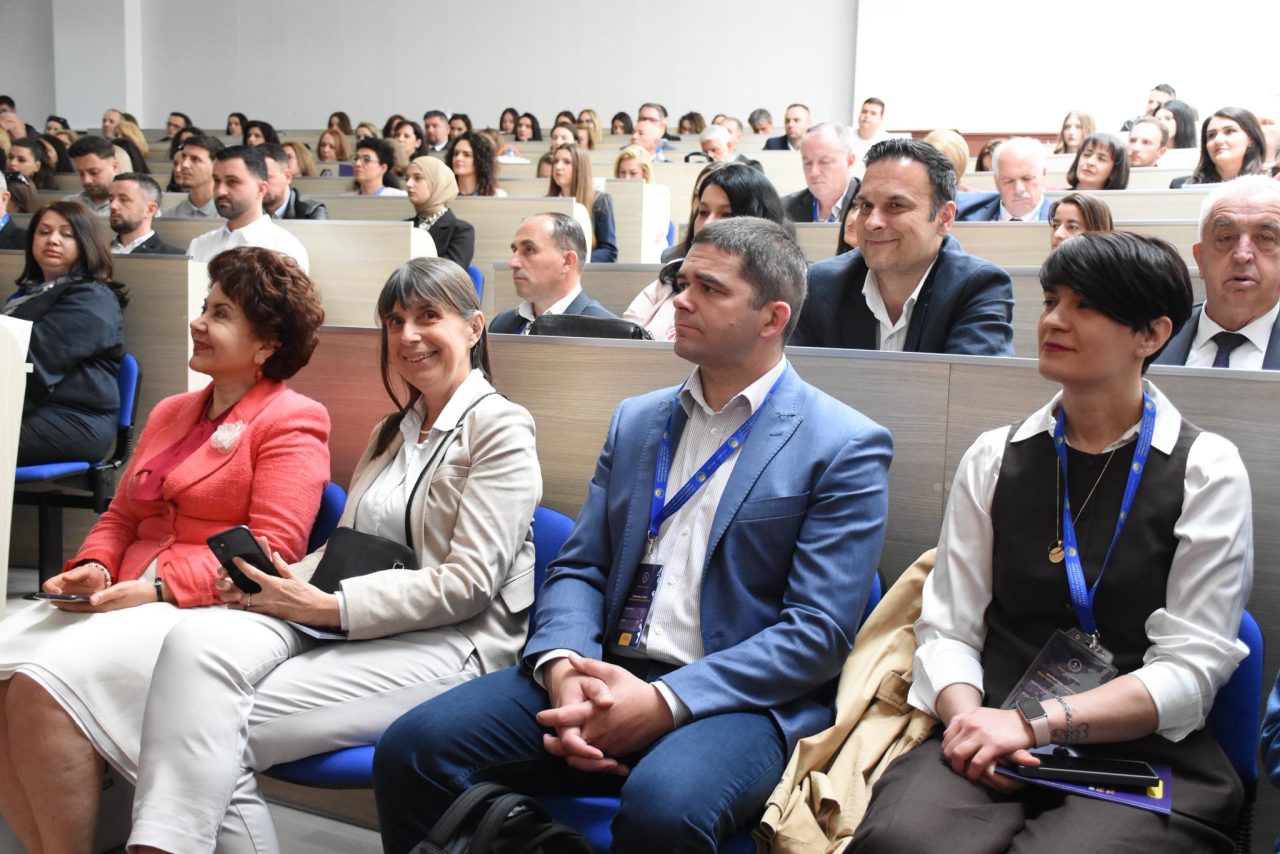
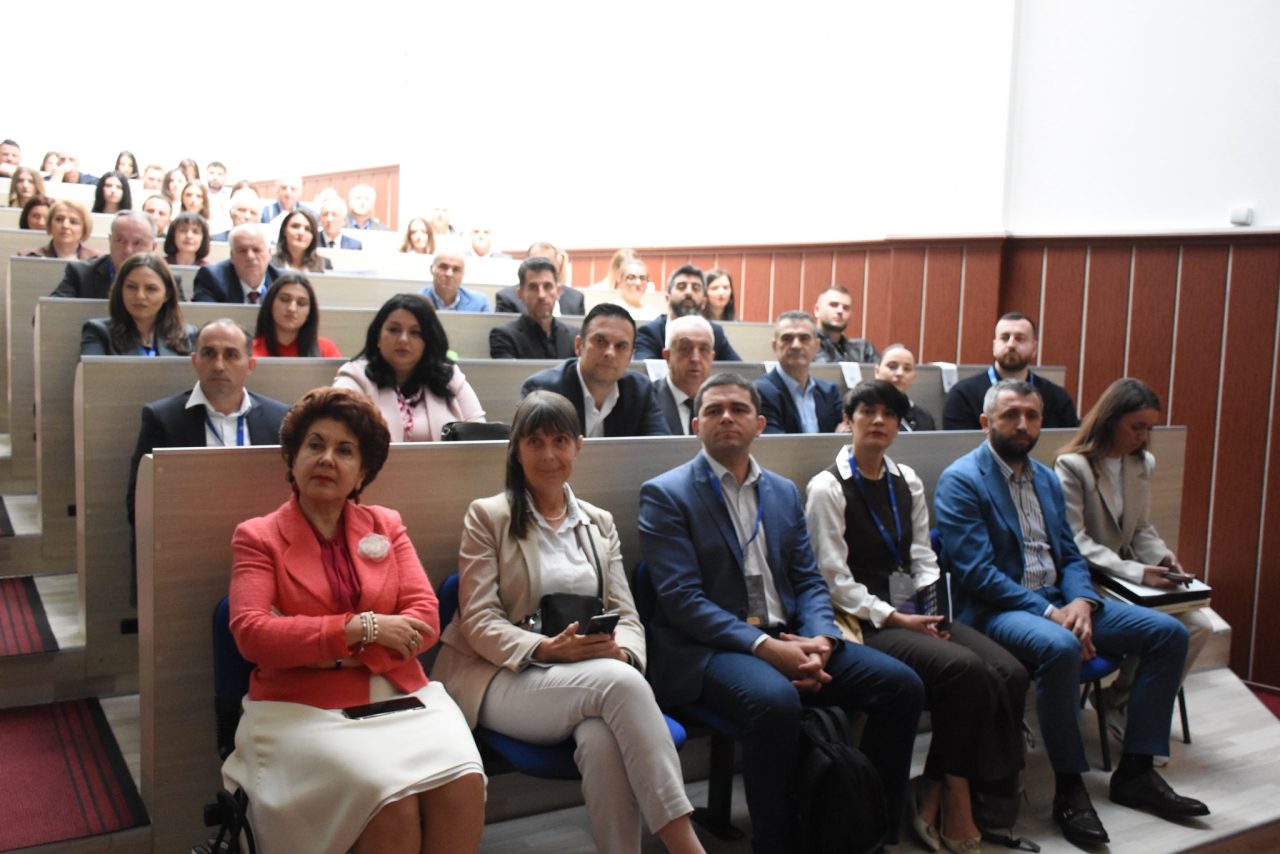
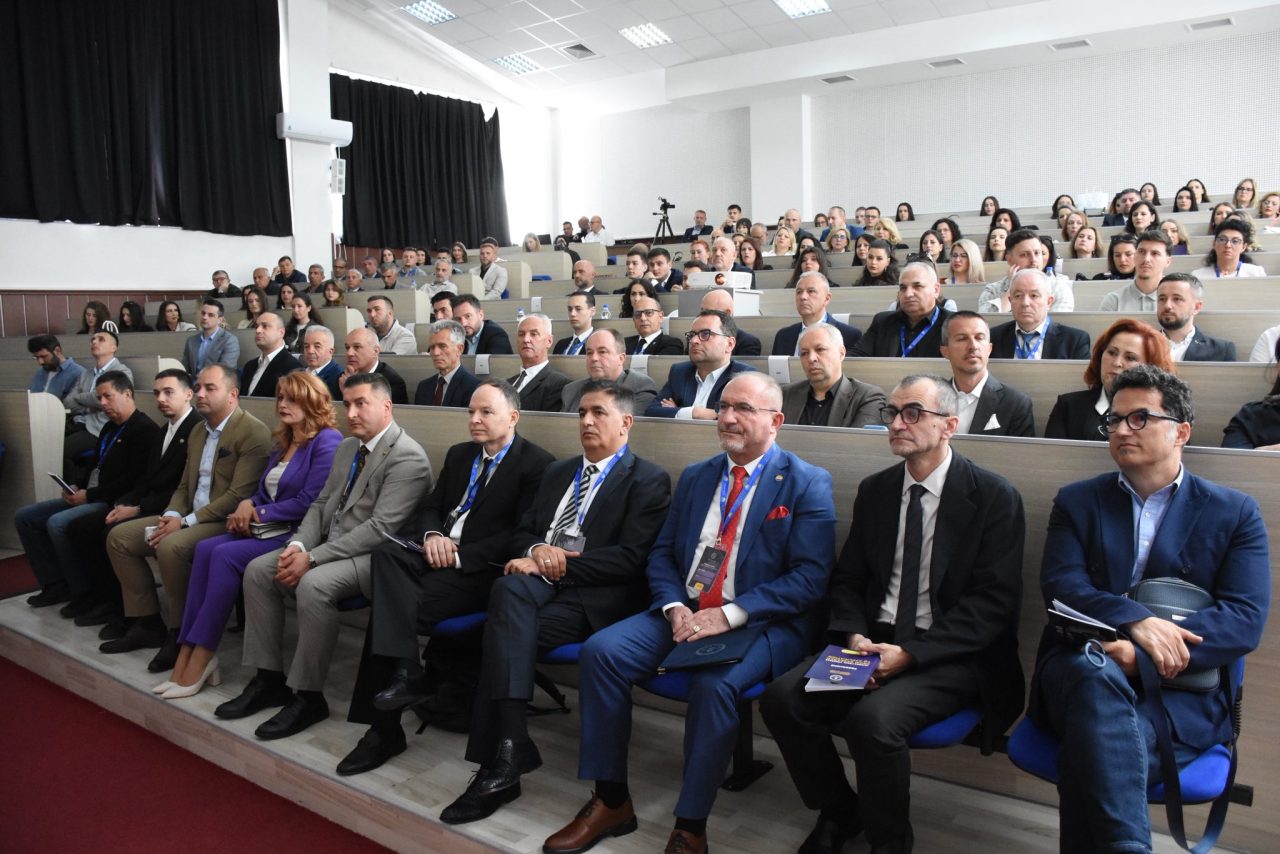
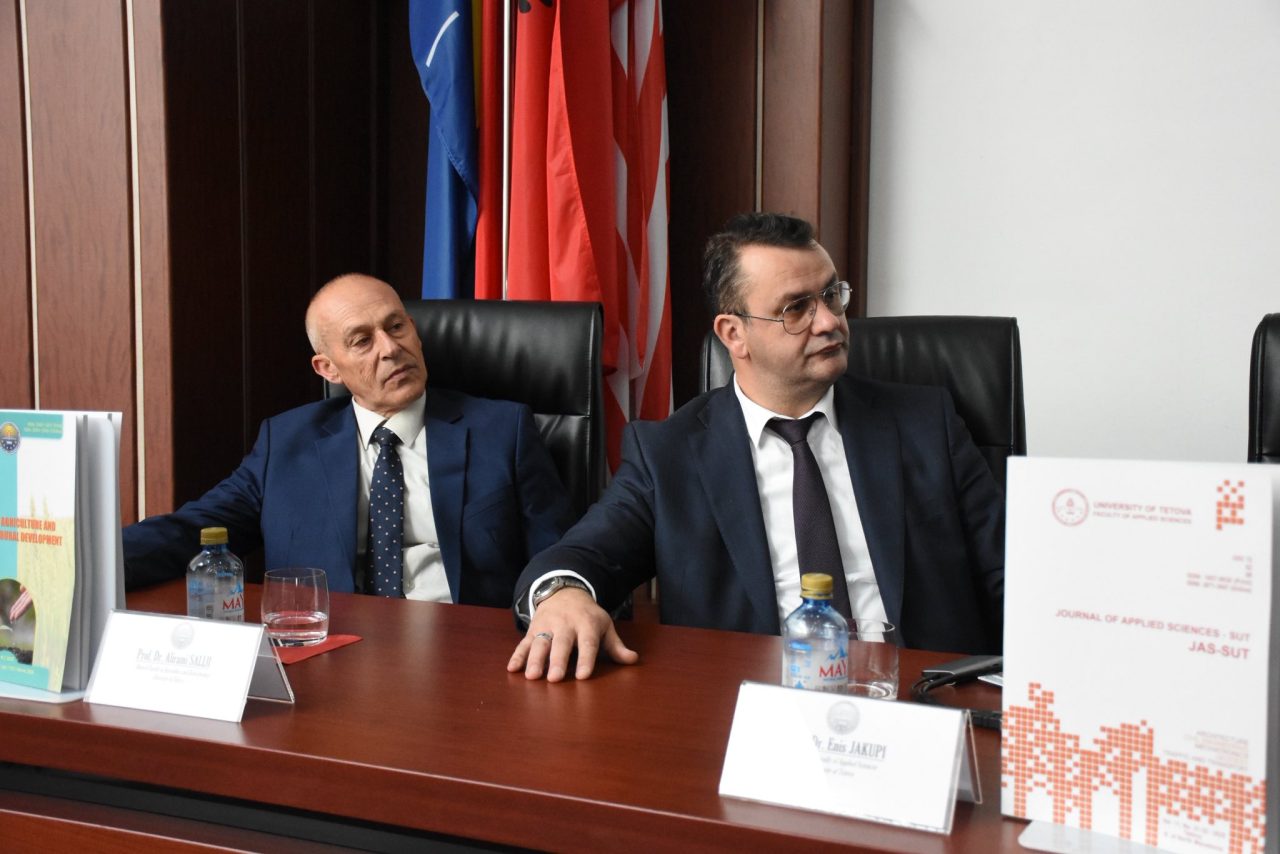
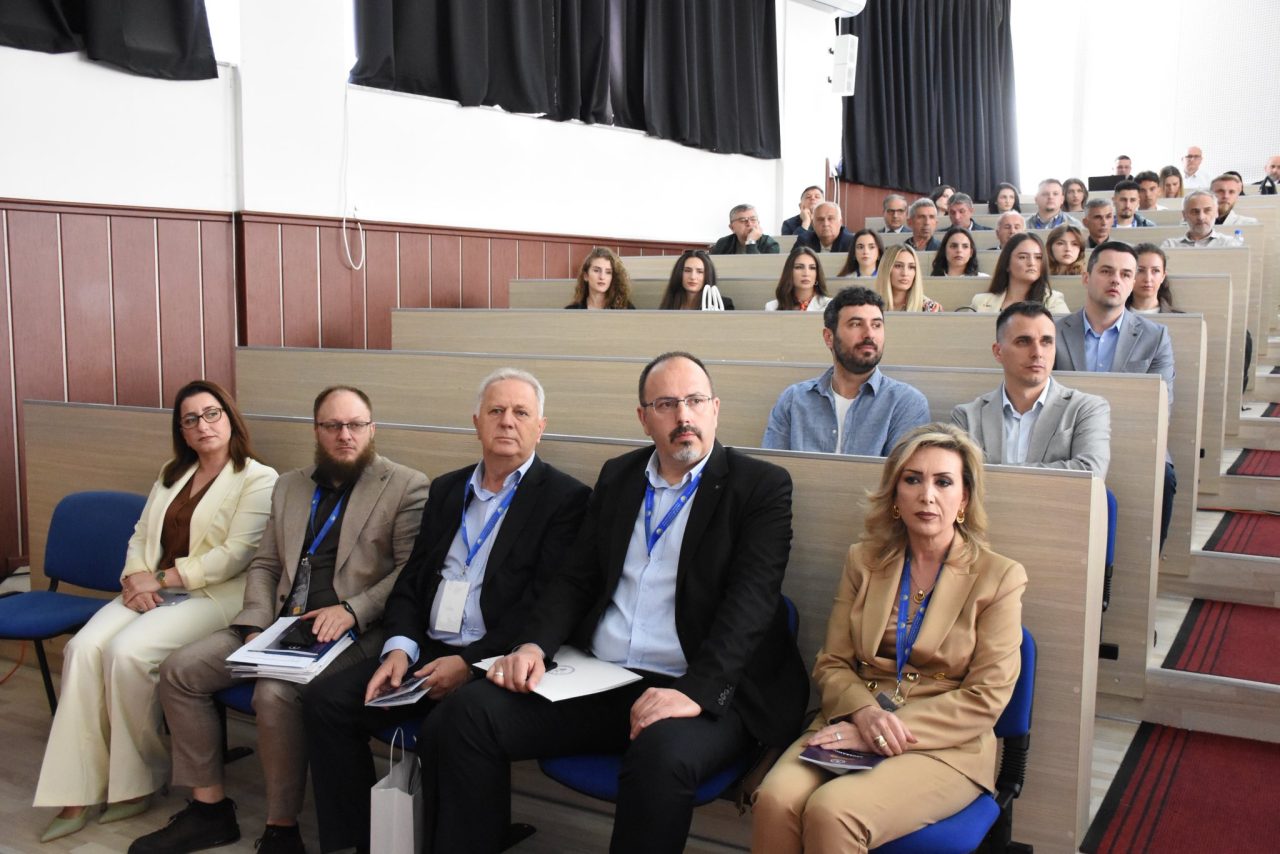
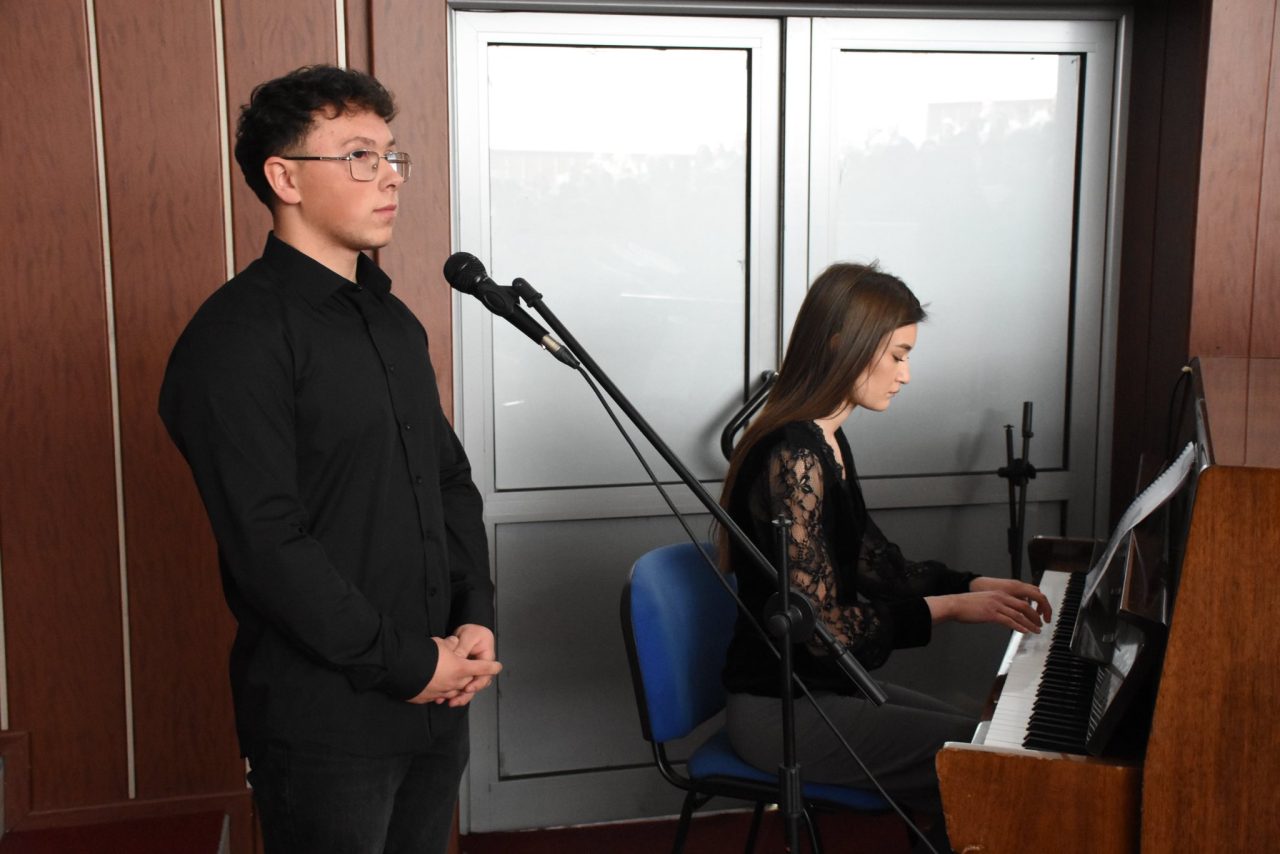
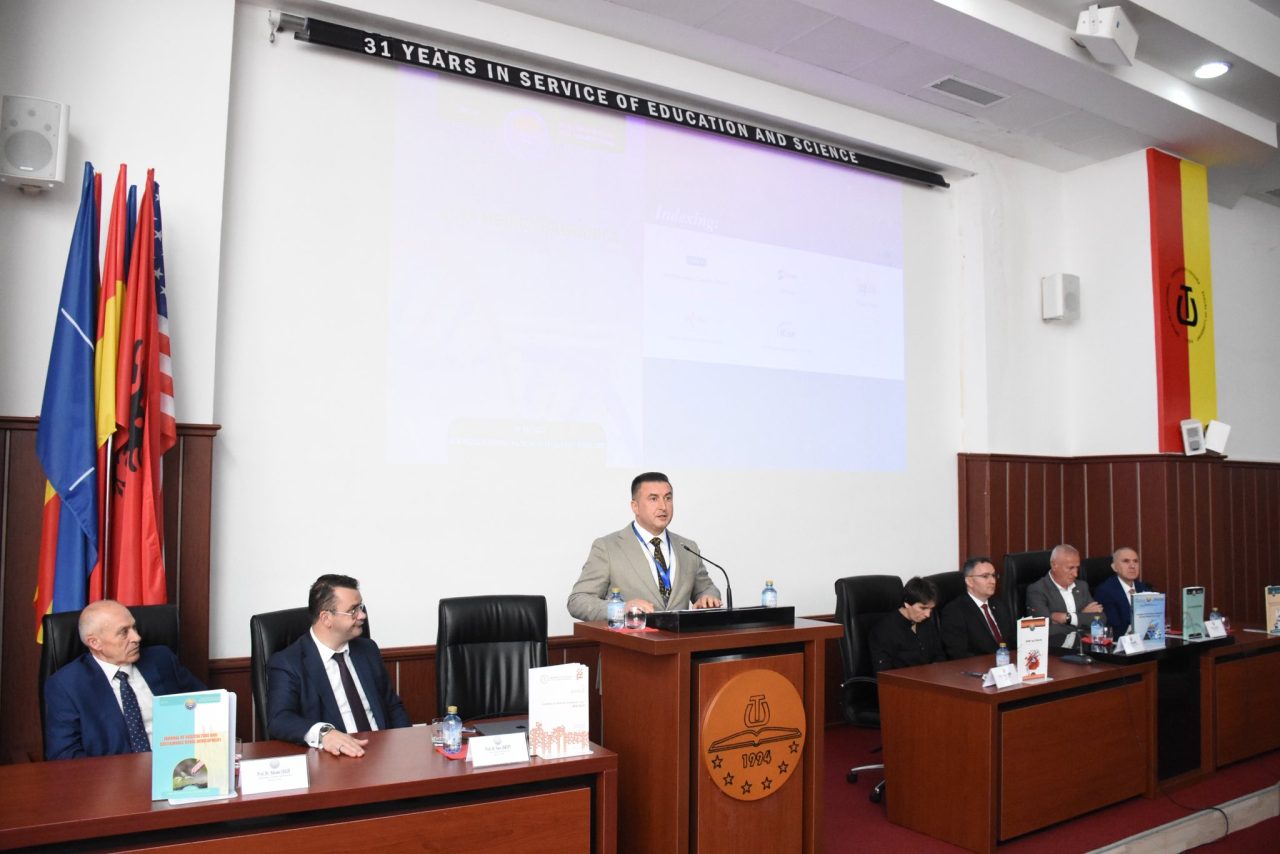
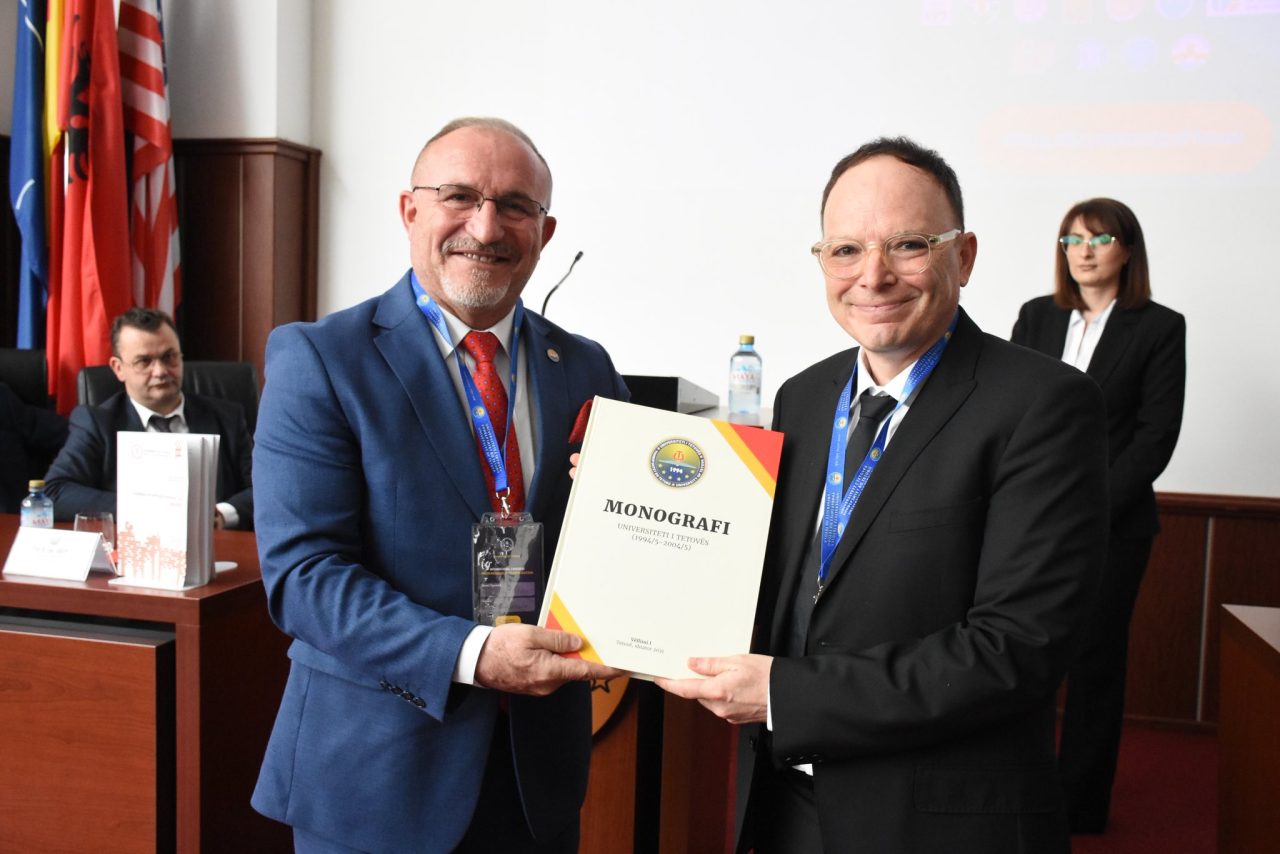
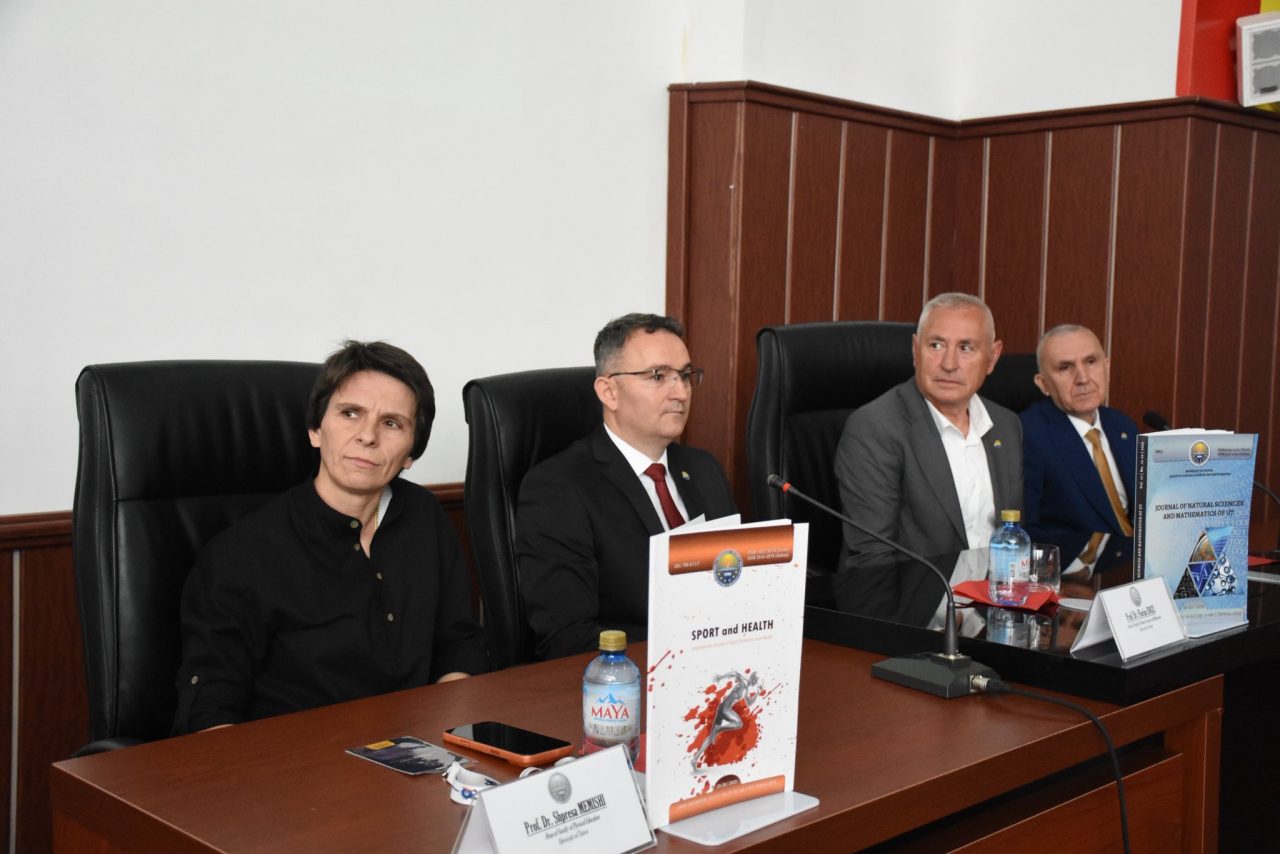
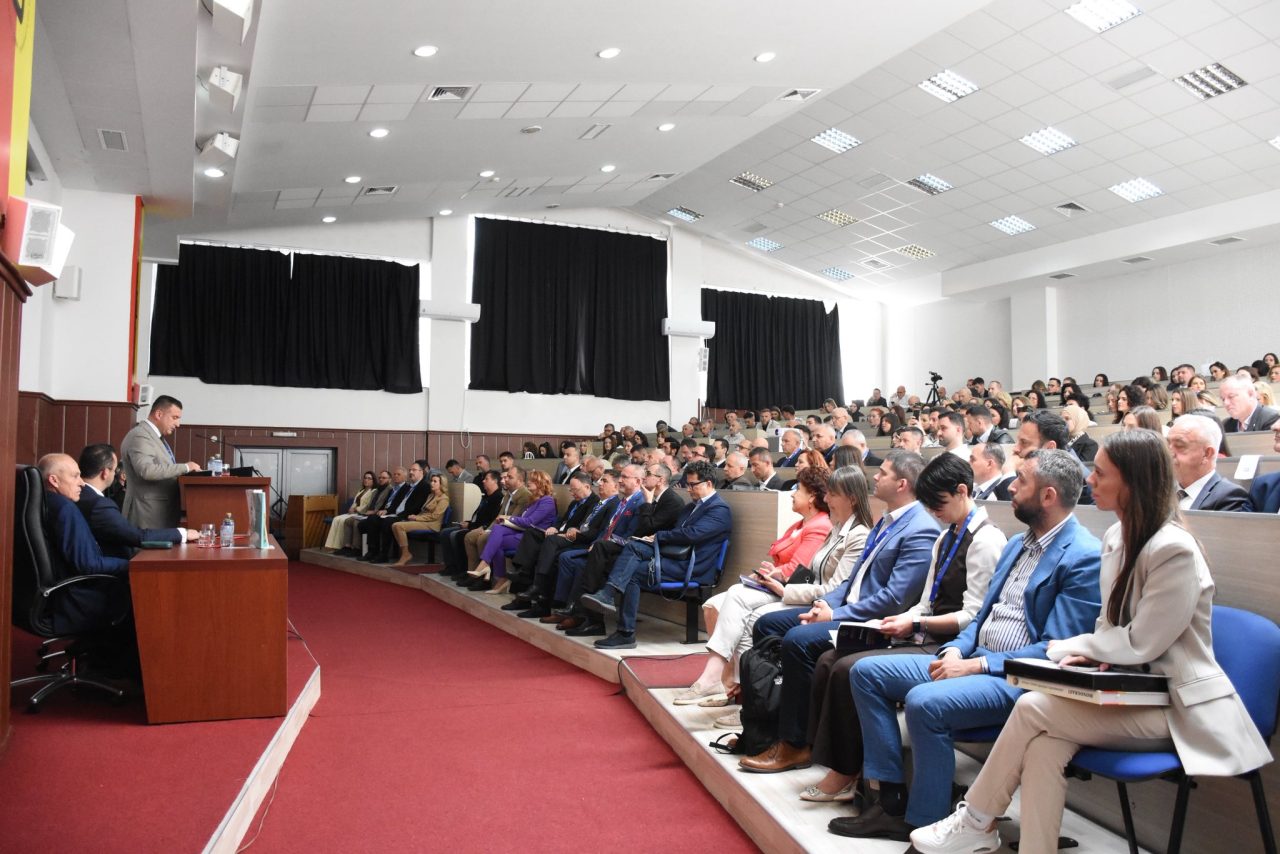
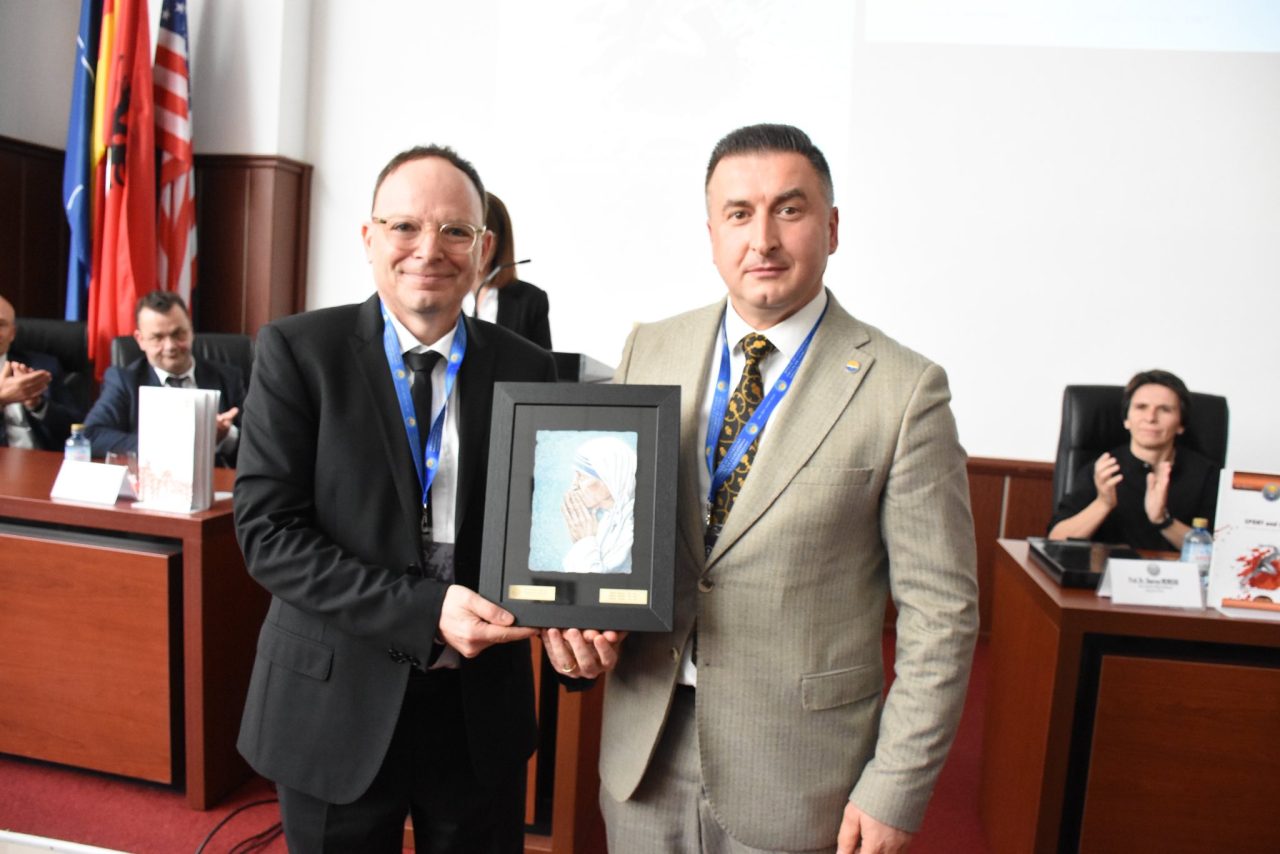
On May 20, 2026, at the University of Tetova, was formally opened the International Scientific Congress “From Research to Application”, an important scientific and academic event attended by renowned researchers, professors, and experts from the country and beyond.
The congress represents a multidisciplinary platform and covers various fields of knowledge, ranging from medical sciences, mathematical and natural sciences, and technology, to applied sciences, food technology, agriculture, biotechnology, and physical education, with the aim of linking scientific research with the practical application of knowledge in support of social and technological development.
The solemn ceremony was held in the amphitheater “Sevasti and Parashqevi Qiriazi”, where the Rector of the University of Tetova, Prof. Dr. Jusuf Zejneli, emphasized the importance of advancing scientific research, the internationalization of the university, and the creation of bridges of cooperation aimed at producing knowledge and applying it in practice. In his message, he stressed that this congress represents a serious academic and scientific platform where ideas, experiences, and results of contemporary research are brought together, with the aim that science does not remain only theoretical, but becomes a concrete value for society, institutions, and overall development. “The topic of this congress is extremely meaningful and relevant. It reflects the need for modern universities to be not only centers for the transmission of knowledge, but also institutions that produce innovation, new ideas, and concrete solutions to the challenges faced by modern society. Today, the world is facing major technological, economic, health, and social transformations. In such a reality, the role of universities becomes even more important, because universities are precisely the places where critical thinking is born, scientific research is developed, and professional capacities for the future are built. University of Tetova remains committed to this mission. We continue to invest in internationalization, improving academic quality, developing laboratories, supporting young researchers, and strengthening cooperation with universities and prestigious institutions from the region and beyond. I am particularly pleased that this congress covers a wide range of scientific disciplines, ranging from natural and mathematical sciences, medical sciences, food technology and nutrition, biotechnology and agriculture, to applied sciences and sports sciences. This clearly demonstrates that scientific development today requires interdisciplinary cooperation and an integrated approach to modern problems and challenges”, – stated the Rector, Prof. Dr. Jusuf Zejneli.
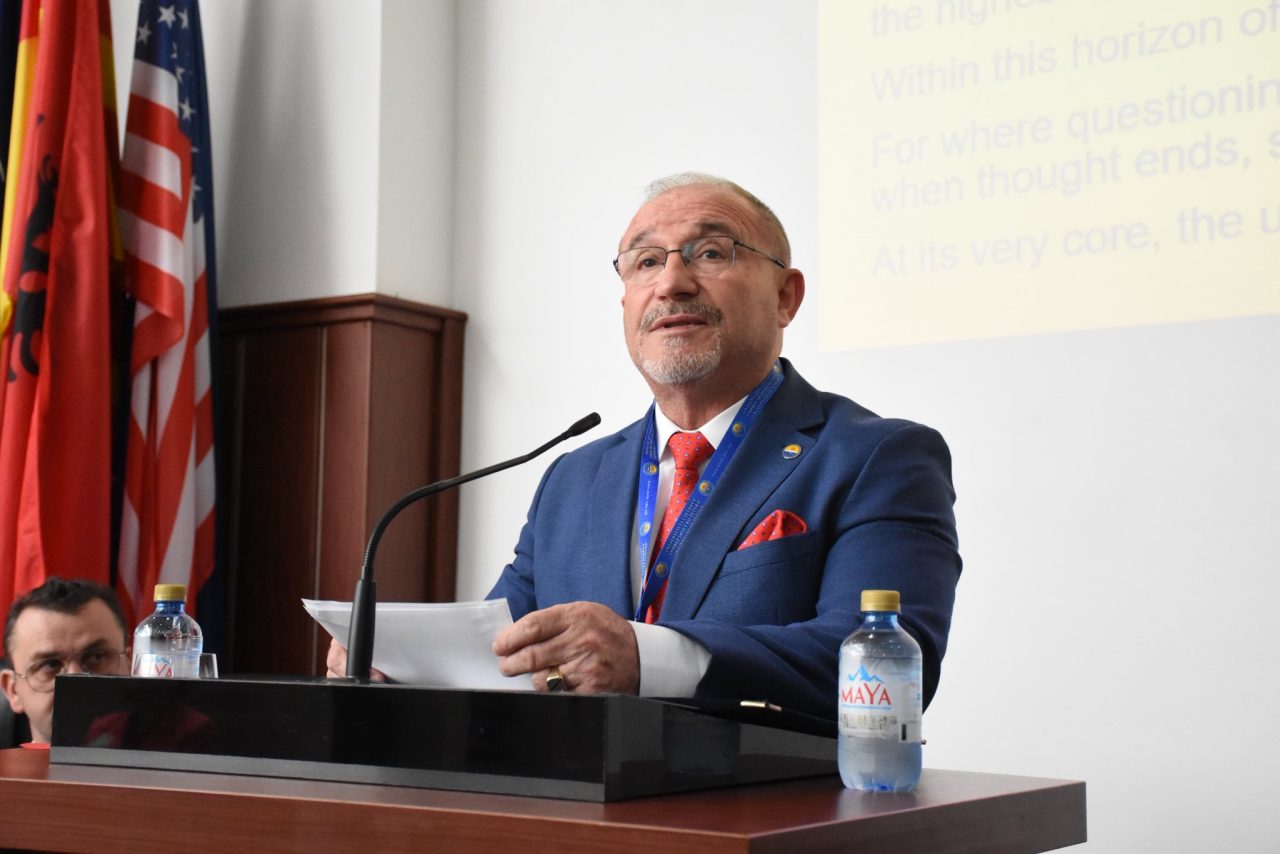
Continuing the solemn ceremony, the audience was addressed by the Vice-Rector for Science of the University of Tetova, Prof. Dr. Vullnet Ameti: “If the history of human thought could be summed up in a single sentence, it would perhaps be this: the human being is a creature that never stops asking questions. And it is precisely in this ceaseless questioning, in this dissatisfaction and in this thirst for meaning, that science is born. Since antiquity, philosophical thought has lived in the tension between two worlds: what is and what could be. Plato placed truth beyond the shadow, Aristotle sought it in the structure of the visible world; yet both, in different ways, left us the legacy of a fundamental idea: that knowledge is never closed, but always open. Modernity deepened this openness, turning humans into not only observers of the world but also co-creators of it. In this sense, science is not only a reflection of reality, but a way of shaping it, while the university, as the highest space of this endeavor, is where the human question takes form. Within this horizon of thought, in universities as academic institutions, this question continues to live. For where questioning ceases, dogma begins, and where dogma begins, thought ends; and when thought ends, science fades. The university, in its essence, is the protection of questioning from closure. Therefore, even today, Kant’s three questions remain profoundly relevant: What can I know? What should I do? What may I hope for? These are not merely philosophical questions; they are the invisible structures of every institution of knowledge. Over three decades of the University of Tetova, these questions have not received a single answer, but thousands of forms of answers, written in research, publications, and in the very academic life of this institution. University of Tetova has become a space where thought is not constrained, a space where no hypothesis is forbidden to be raised, and where no debate is excluded. In this space, Albanian society has reflected upon itself, turning the university into a continuous laboratory of understanding”. Speaking about the importance of the congress, the Vice-Rector for Science, Prof. Dr. Vullnet Ameti, addressed the researchers as follows: “I have the honor and particular pleasure today, on behalf of the University of Tetova and in my capacity as Vice-Rector for Science, to greet you at the International Congress “From Research to Application”, an academic and scientific event that represents a real platform of cooperation, innovation, and communication between scientific research and the practical application of knowledge. The topic “From Research to Application” is precisely the bridge that connects two ends of the same existence: thought and life. Allow me to express my gratitude to all partners and co-organizers who have made this congress possible, creating a space where knowledge is not isolated, but circulates, interacts, and becomes shared. A special thanks goes to the keynote speaker of the opening ceremony, Prof. Dr. Artur Xhumari, as well as to all plenary session lecturers, who enrich this academic space with their thoughts and experience. In this congress, where different disciplines come together, from natural sciences and mathematics, to medicine, technology, agriculture, applied sciences, and physical education, we see a simple but essential truth: reality does not recognize divisions, while we understand it only through the integration of knowledge”.
In closing his speech, he also addressed the global challenges of recent years: “Each era in history has had its own crisis of truth; however, eras are not defined by crises, but by the way they respond to them. The deepest response a society can give is investment in knowledge, research, and critical thinking. Recent developments, from the global pandemic onwards, have reminded us in a ruthless way how fragile social life is when separated from science, and how dangerous ignorance becomes when it takes decisions in place of knowledge. They have shown us that science is not a luxury of peaceful times, but an infrastructure of collective survival. Today, in a world marked by artificial intelligence, hybrid warfare, and geopolitical tensions, the responsibility of universities and academies becomes even greater. Because where uncertainty grows, the need for deep thinking, independent knowledge, and critical reasoning also grows. Therefore, support for science is not merely a development policy; it is a form of civic and historical responsibility. A society that does not invest in knowledge, in reality, gives up on its future. By preserving wonder in the face of the world and never losing doubt as a method, we continue the path of inquiry not to close questions, but to keep them open, because it is precisely there, in the openness of questioning, that the future of knowledge begins”,- said, among other things, Prof. Dr. Vullnet Ameti.
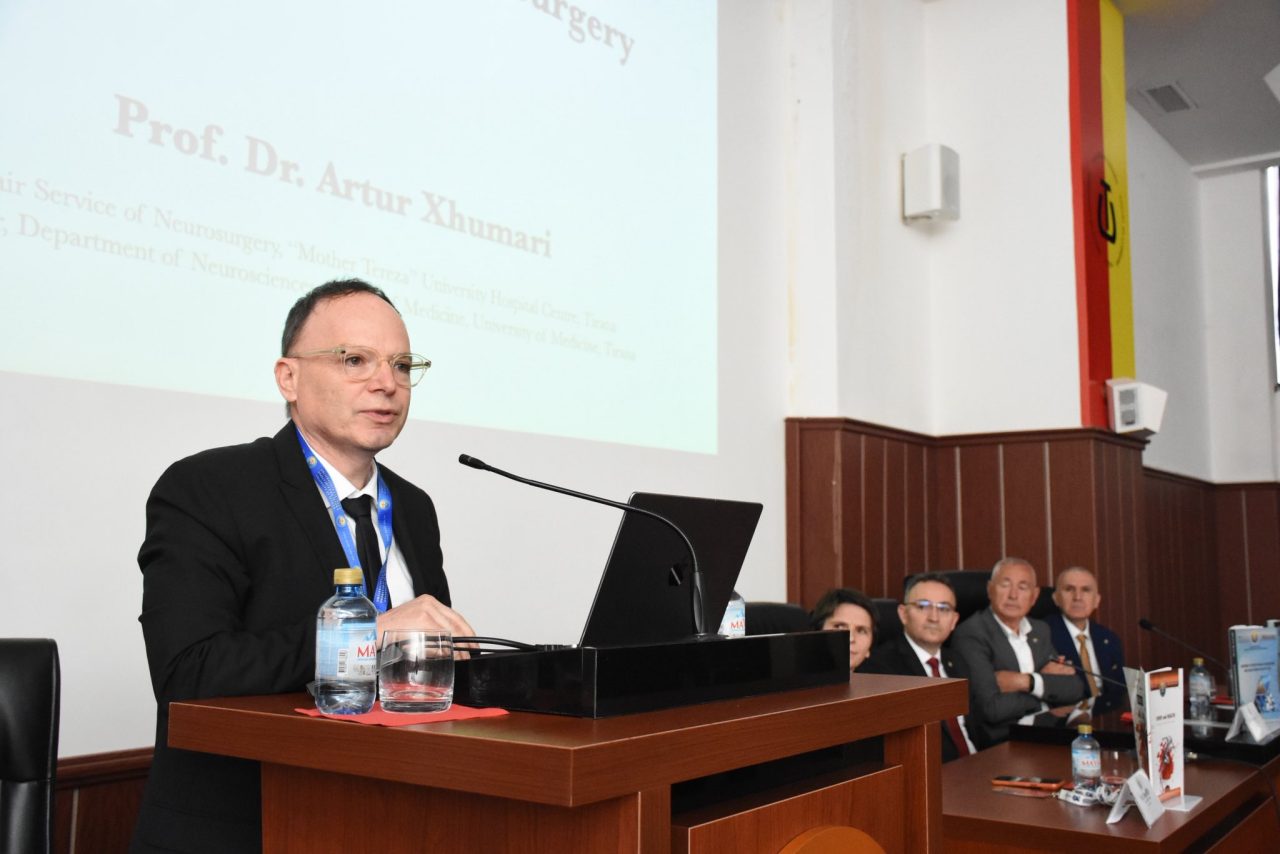
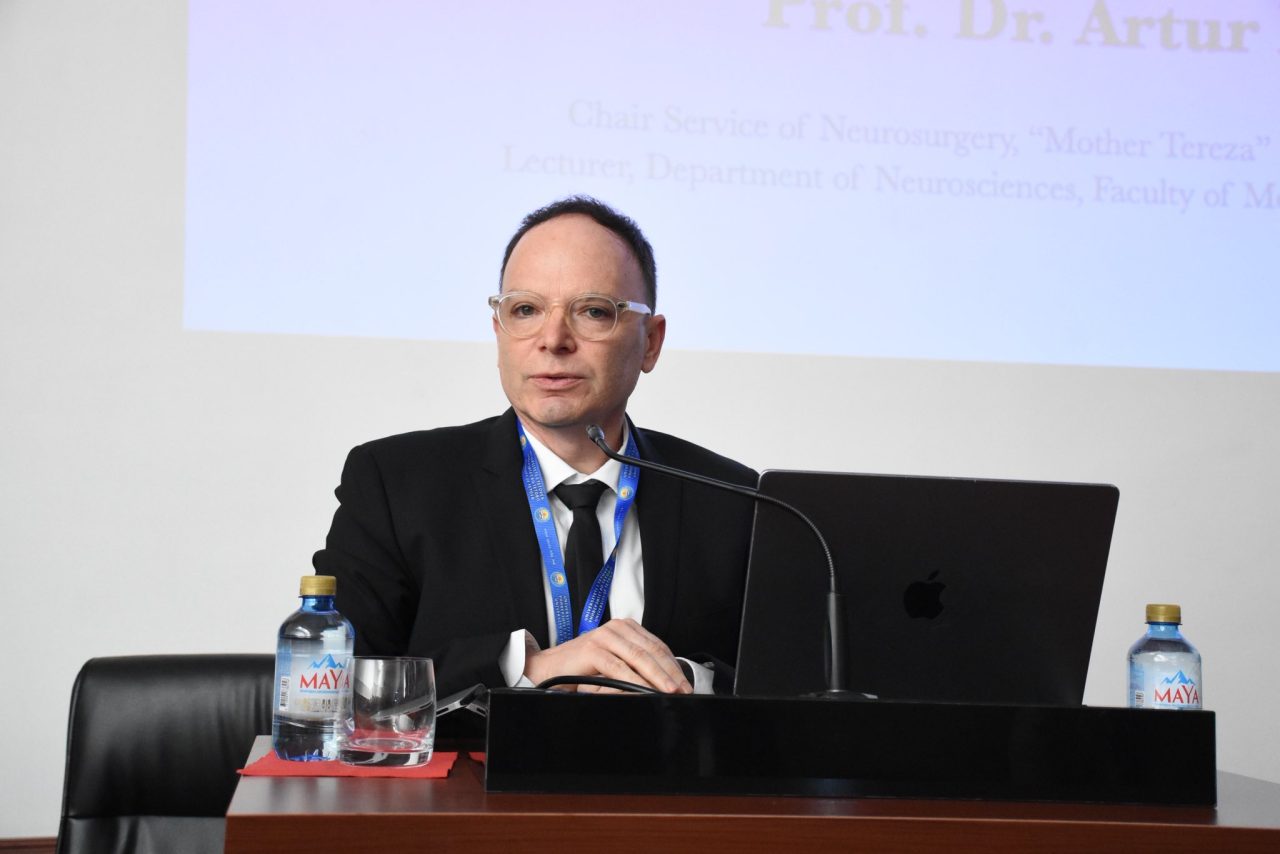
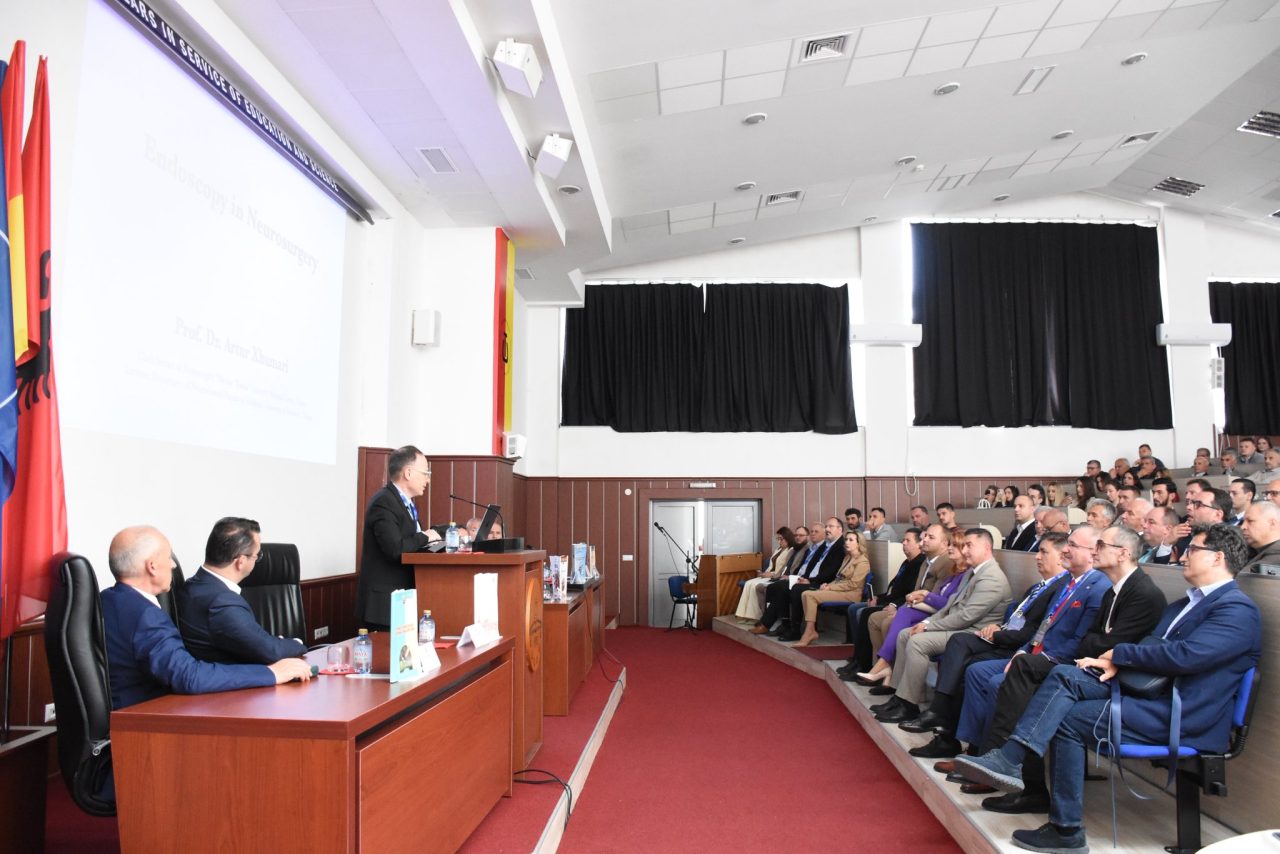
During the solemn opening, the keynote speaker of the congress, Prof. Dr. Artur Xhumari, delivered his lecture to the participants, addressing issues related to the development of scientific research, the challenges involved, and the importance of transforming research results into concrete and applicable solutions in practice.
The congress program continued with two parallel plenary sessions, where well-known international professors and experts discussed current topics from various scientific and technological fields. These plenary sessions presented contemporary approaches to the latest developments in science, innovation, technology, and the practical application of research results, creating an important space for debate and exchange of experiences among researchers.
During the congress, parallel sessions were held in which a total of 138 scientific papers were presented, the majority of them in the field of medicine, covering topics such as public health, pharmaceutics, modern diagnostics, biomarkers, surgery, neurology, dentistry, and clinical cases, including studies related to the application of artificial intelligence in medicine, antibiotic resistance, and contemporary therapeutic approaches. Within the field of mathematical and natural sciences, topics related to artificial intelligence, mathematical modelling, data security, mobile applications, and modern technologies were addressed, while the applied sciences sessions focused on infrastructure, urbanism, energy, industrial automation, digital transformation, and sustainable development. Likewise, an important part of the program was dedicated to food technology, nutrition, agriculture, and biotechnology, where discussions were held on food safety, product quality, and innovations in the agri-food sector. At the end of each session, joint discussions and scientific debates were held among the participants.
At this congress, held on May 20 and 21, 2026, were also organized professional workshops, which further enriched the practical dimension of the event. The congress “From Research to Application” was recognized by researchers as an important platform for the exchange of ideas, the creation of new partnerships, and the advancement of scientific research in support of social progress.