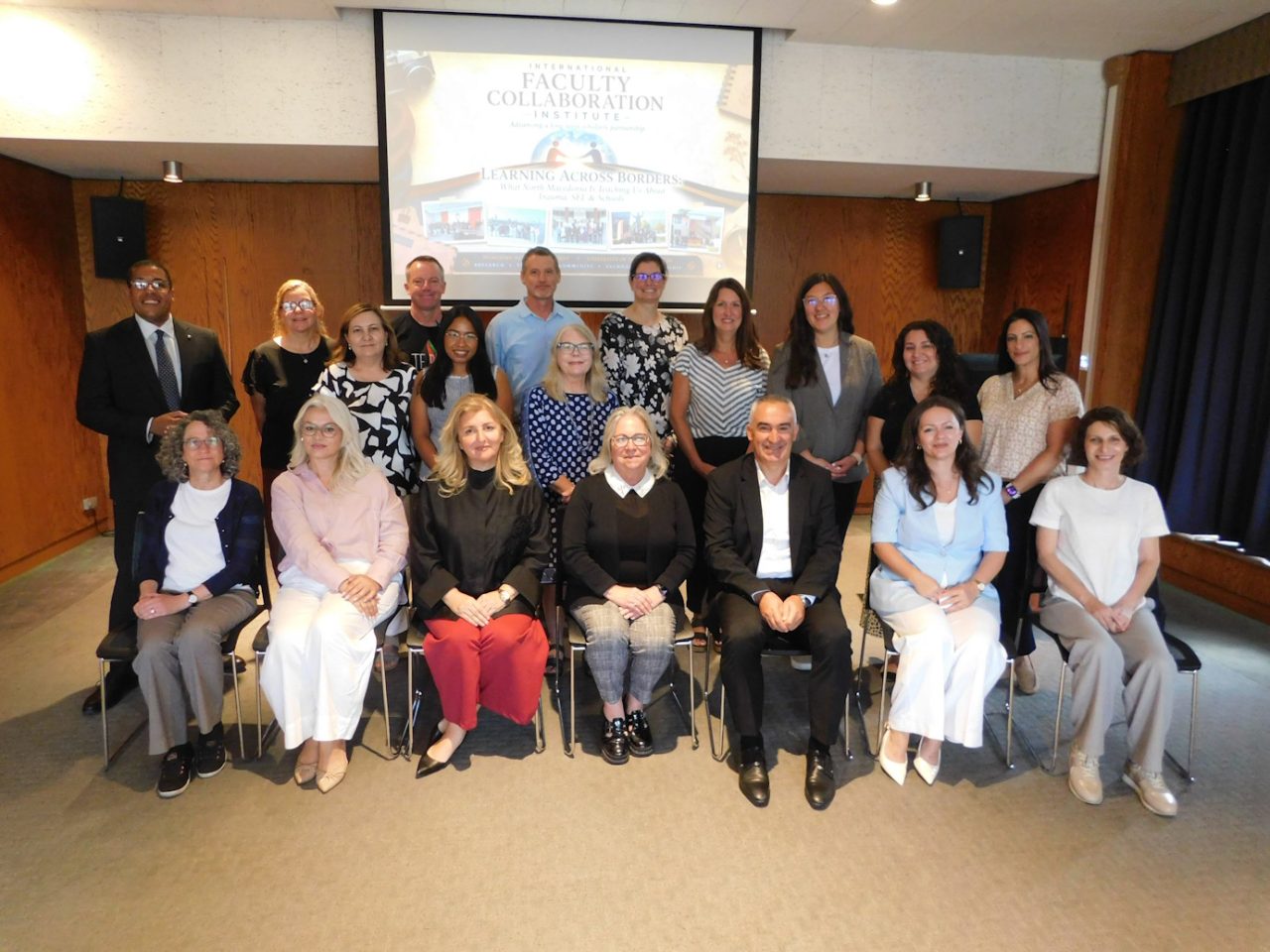
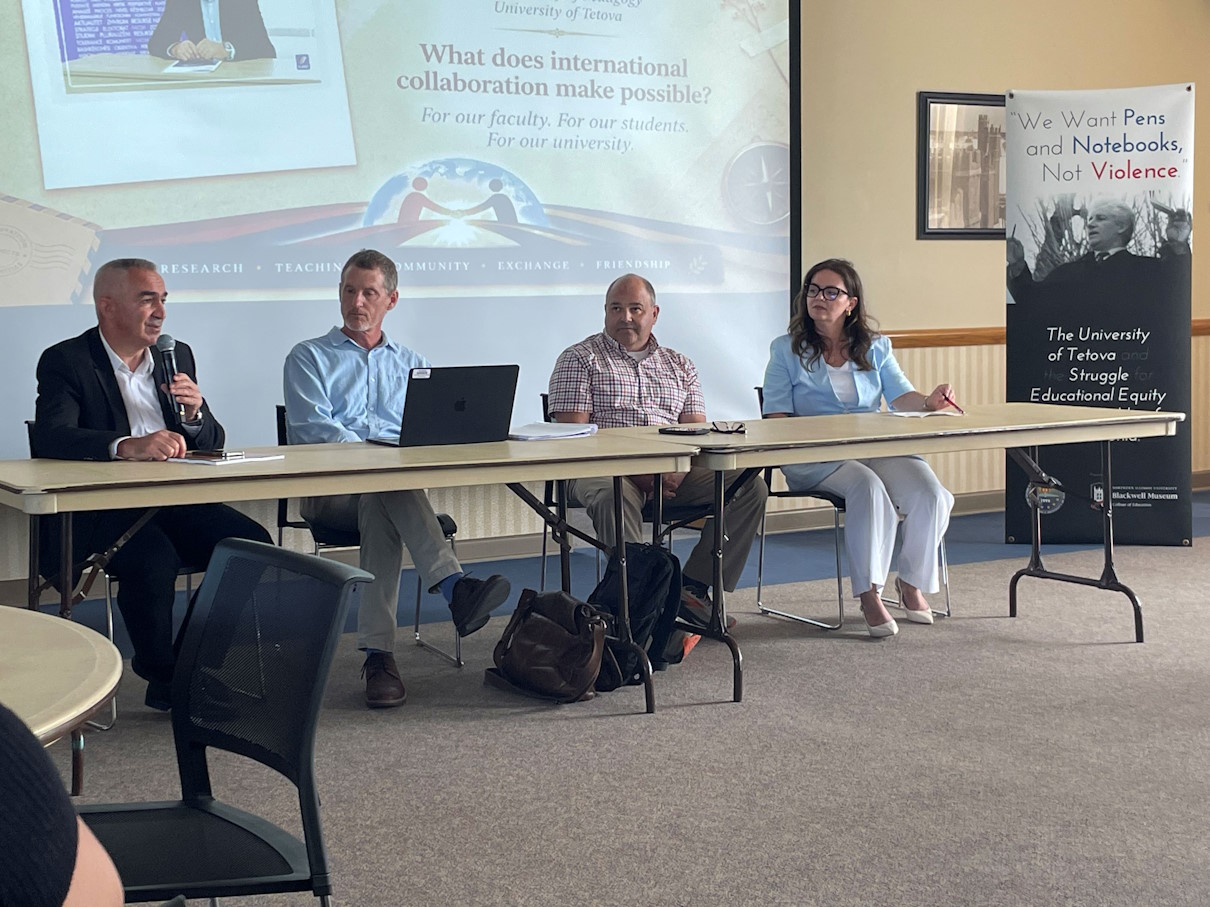
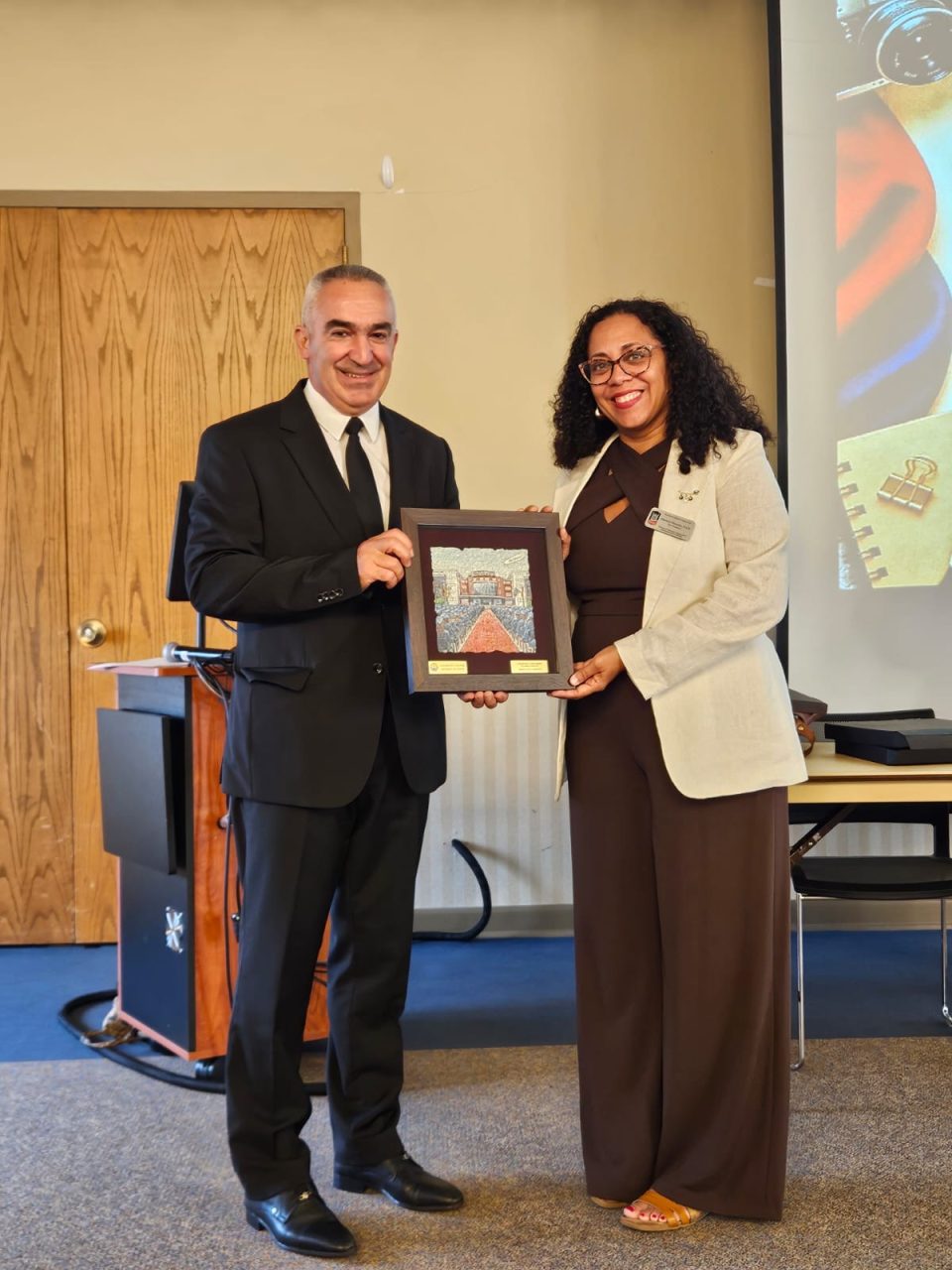
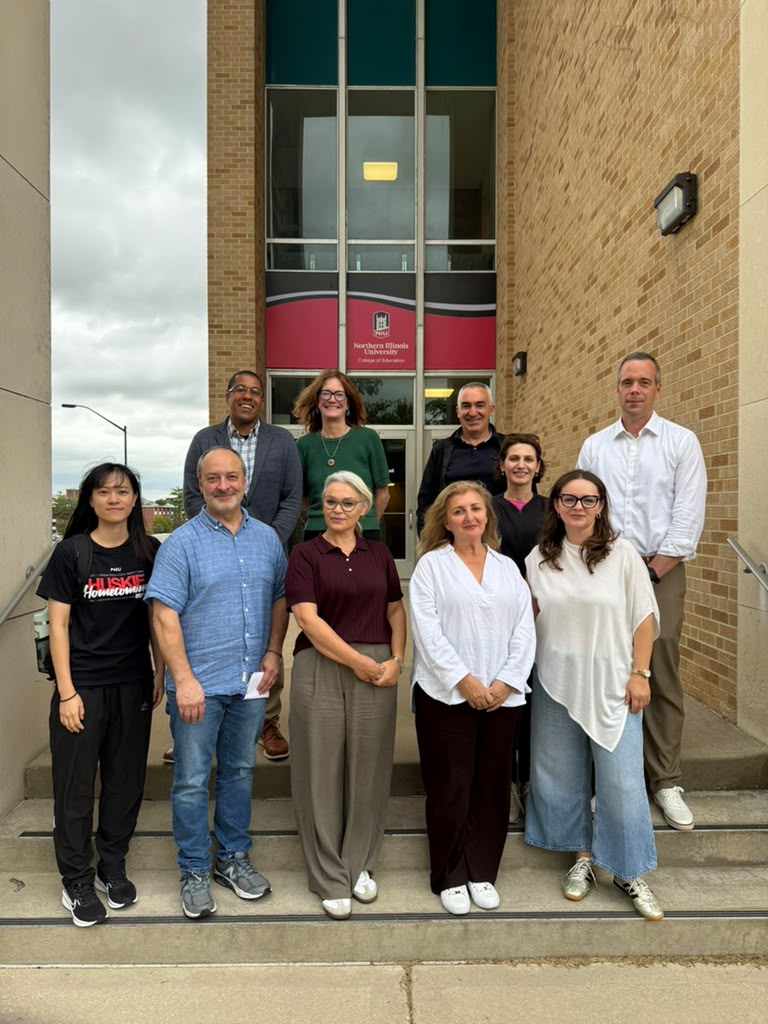
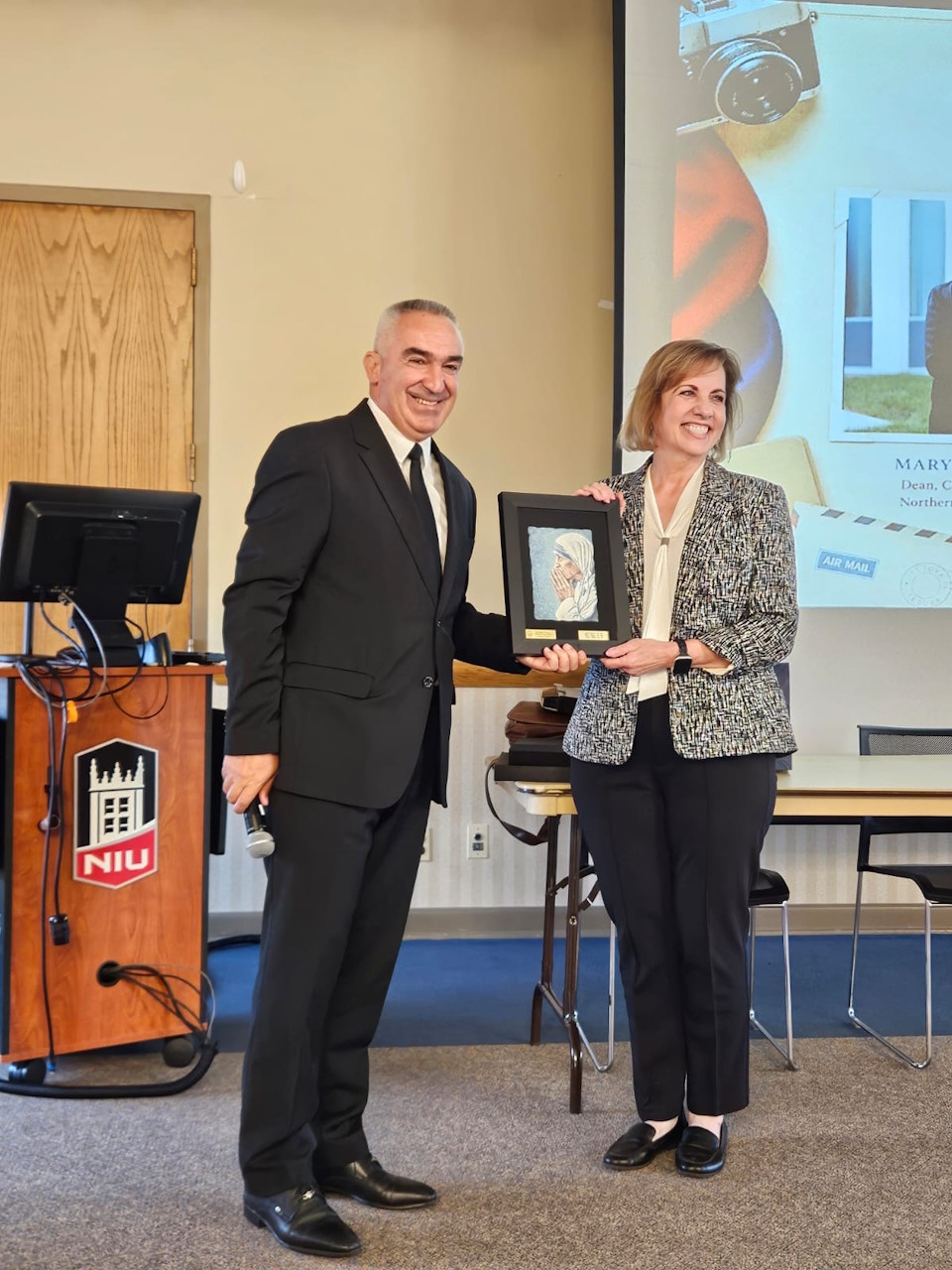
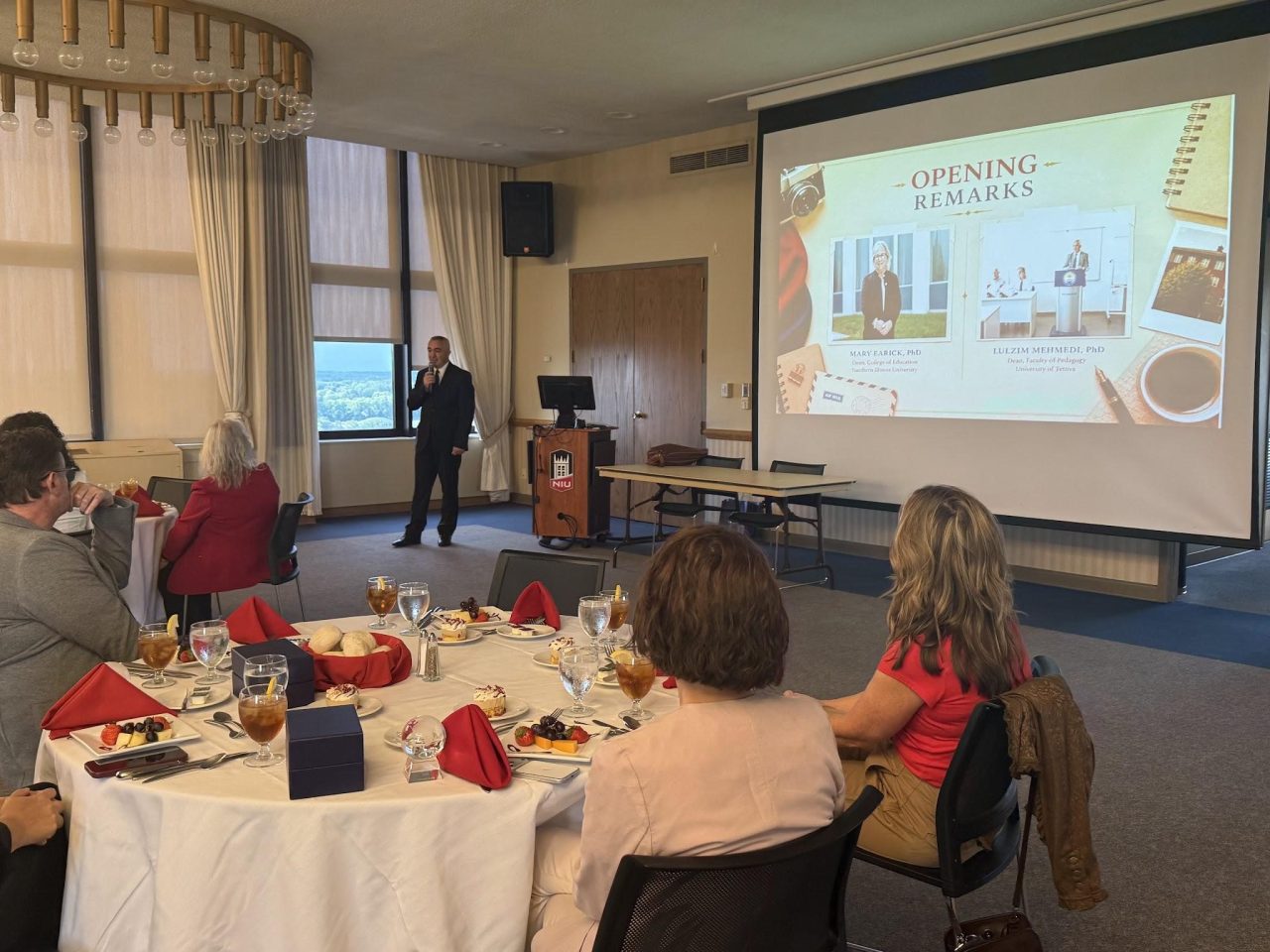
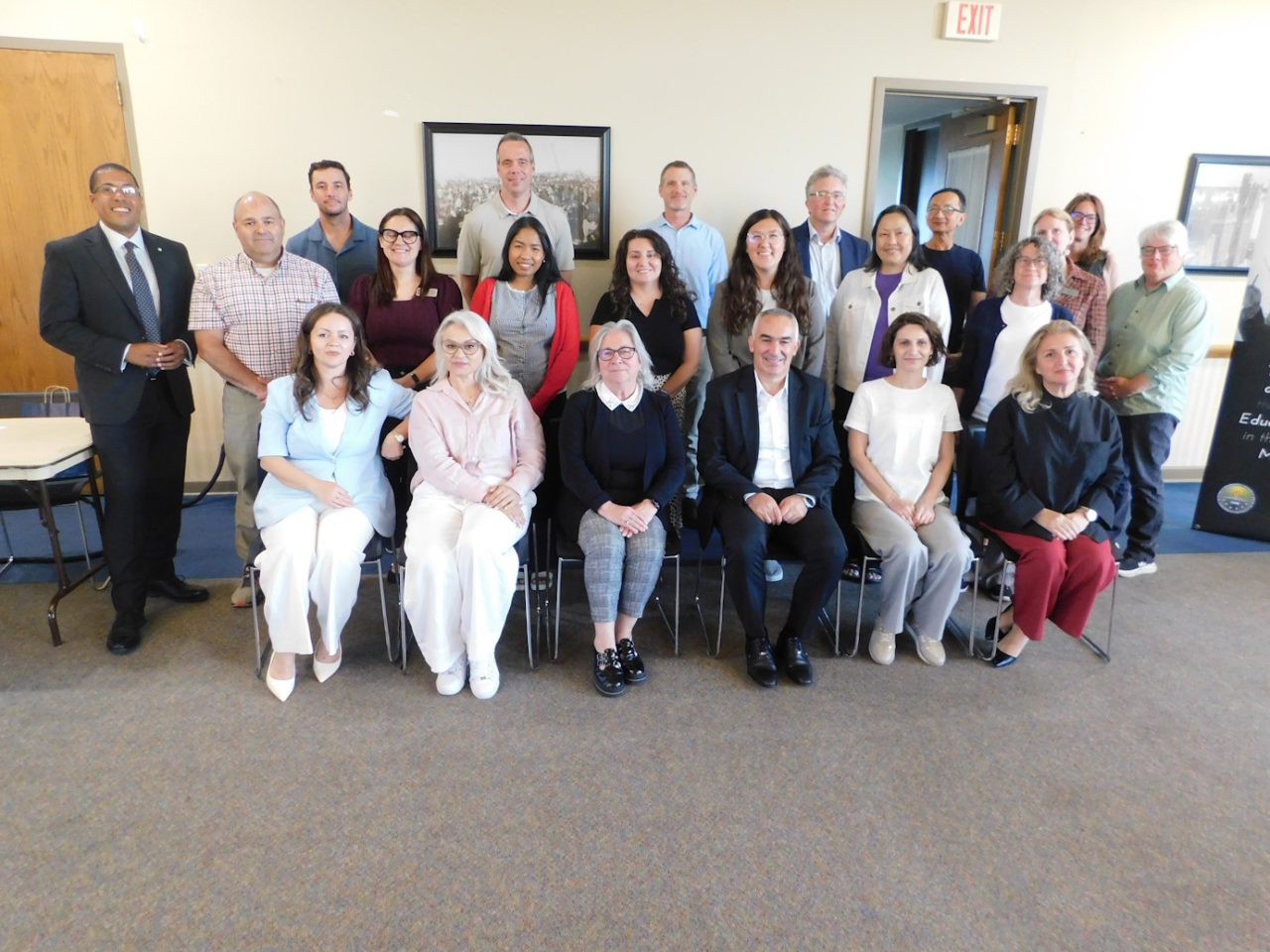
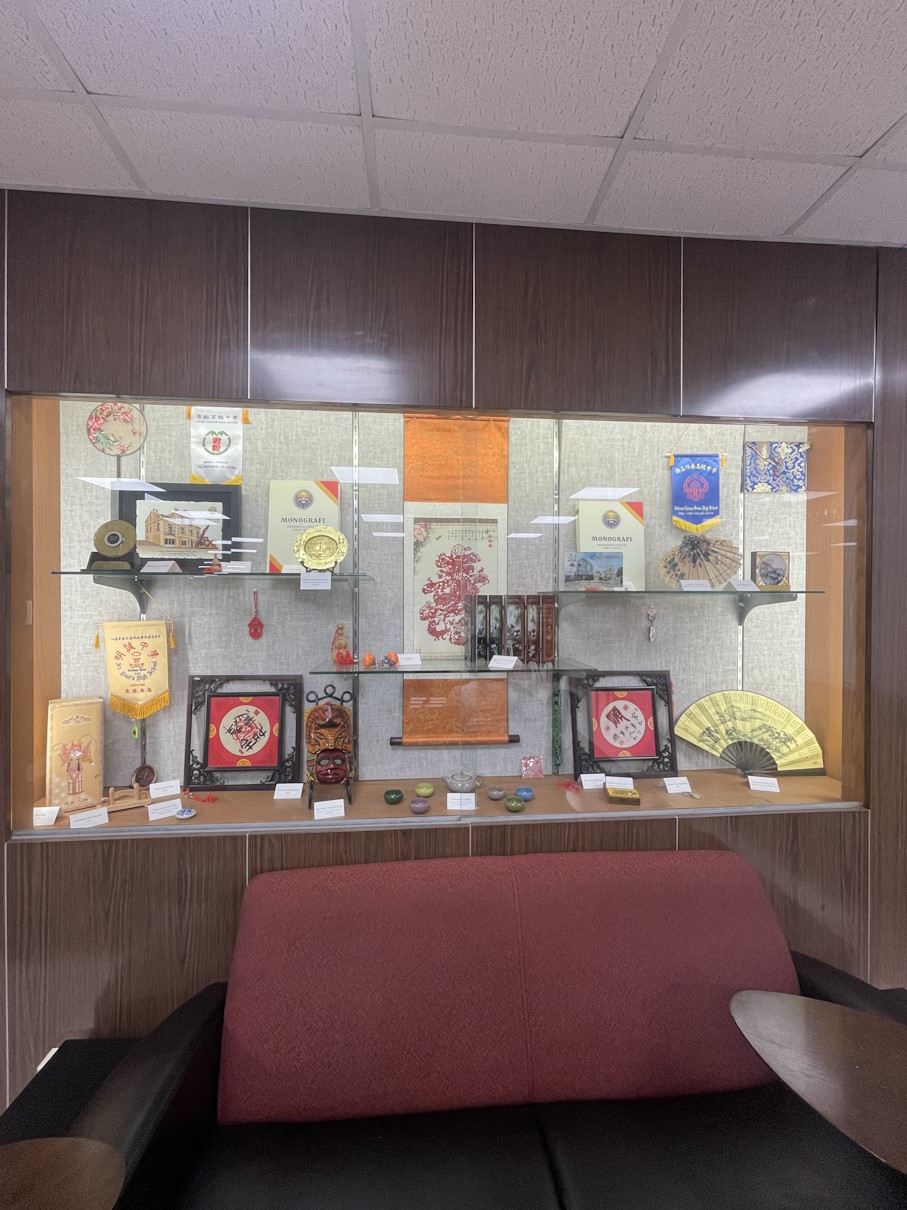
Faculty of Pedagogy at the University of Tetova is expanding its international cooperation through a partnership with the College of Education at Northern Illinois University (NIU) in DeKalb, Illinois, USA. As part of this partnership, a delegation from the Faculty of Pedagogy, consisting of the Dean, Prof. Dr. Lulzim Mehmedi; Vice-Dean for Science, Prof. Dr. Teuta Ramadani-Rasimi; Head of the study program Classroom Teaching, Prof. Dr. Arbresha Zenki-Dalipi; Prof. Dr. Makfirete Ameti; and Prof. Dr. Sheruze Osmani-Ballazhi from the study program of Psychology visited Northern Illinois University from September 3 to 13, 2026.
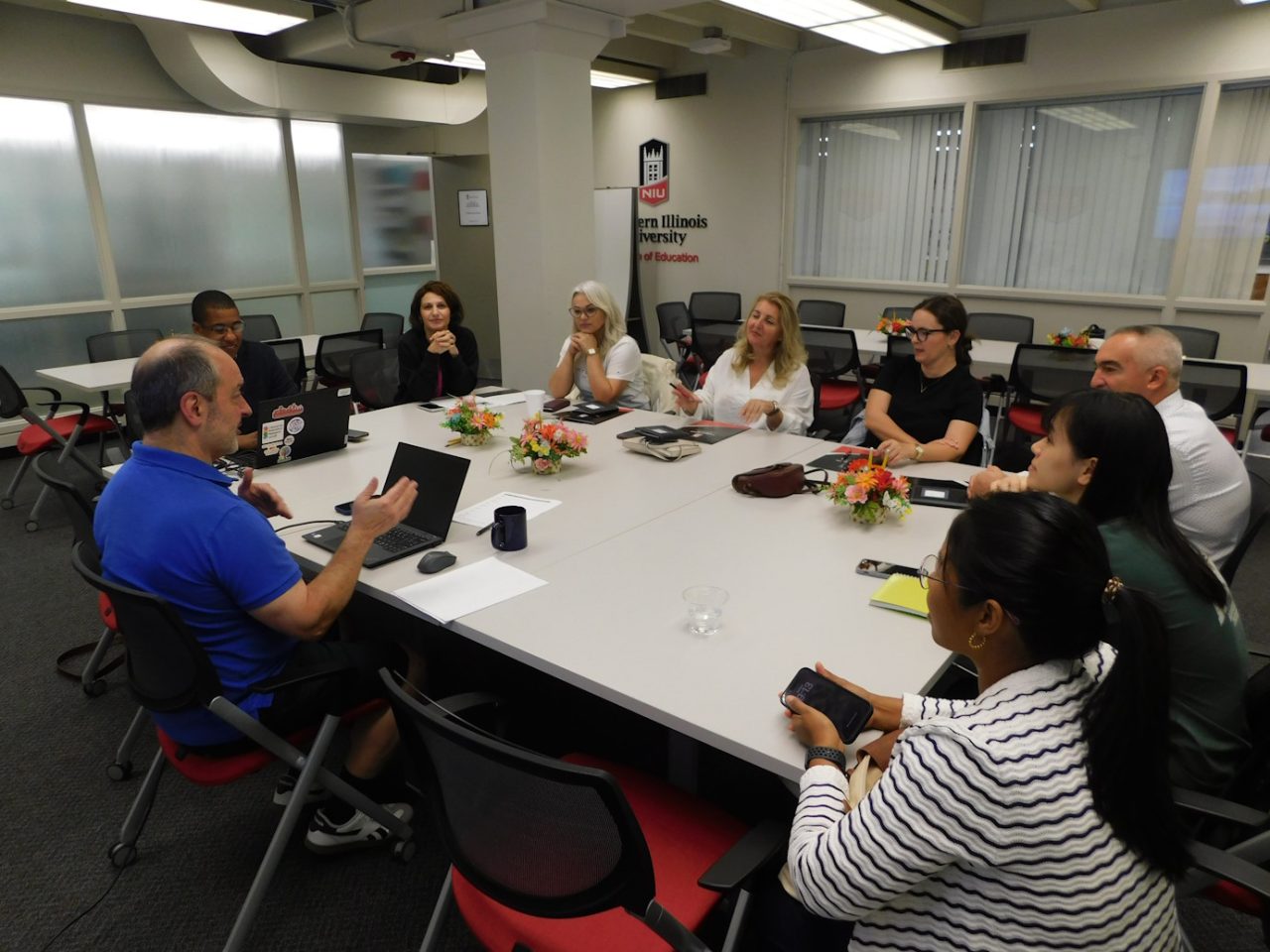
The visit served to further strengthen academic, scientific, and professional cooperation between the two institutions, as well as to define new steps within the framework of their partnership. During the meetings, new opportunities were discussed for joint research, the professional development of teachers, student and academic staff exchanges, the organization of joint scientific activities, as well as the preparation of joint projects and applications for international grants.
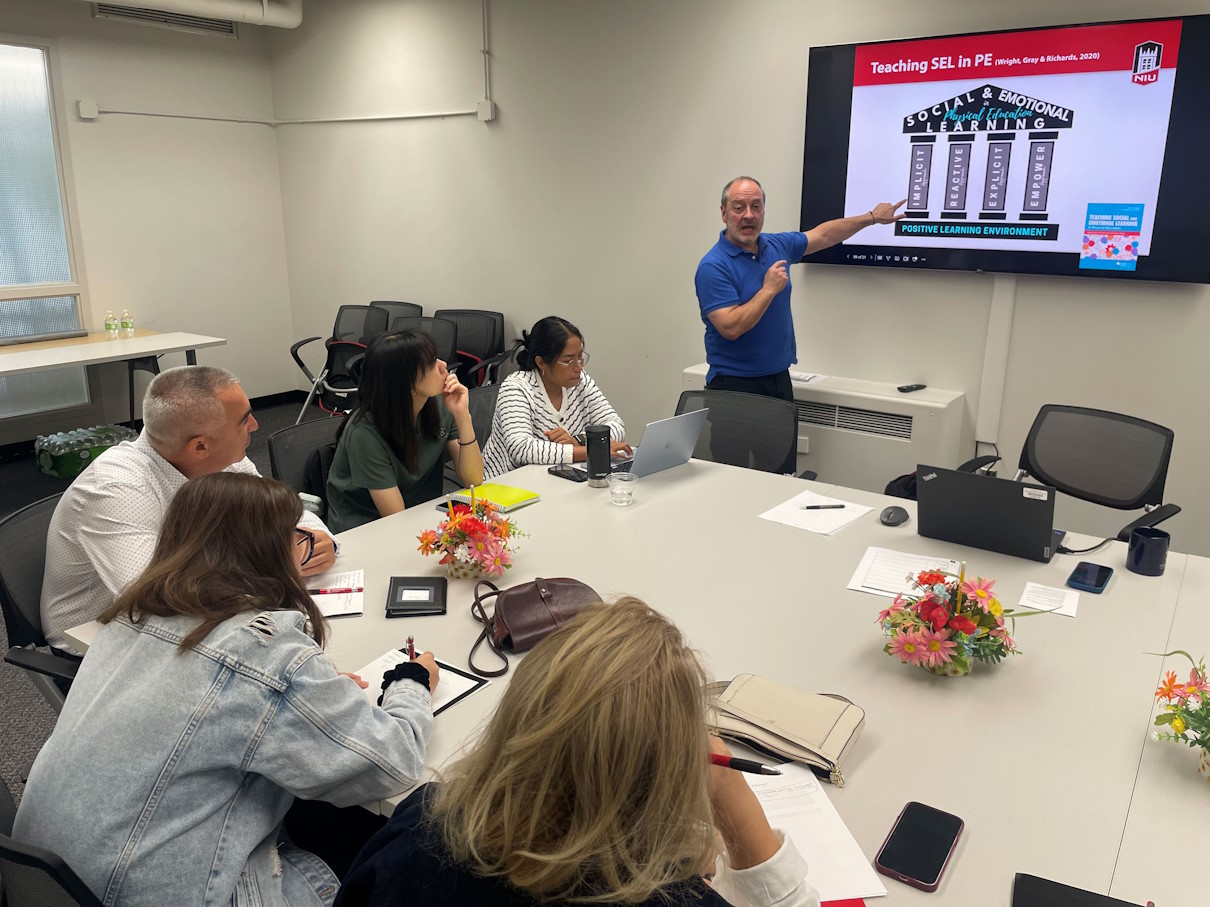
One of the main components of the program was Social and Emotional Learning (SEL), with a focus on how these approaches can be integrated into the educational process. In this context, professional training sessions and workshops were held, including a training session led by Dr. Paul Wright, during which topics related to adult socialization, building relationship-centered schools, frameworks for implementing SEL, and practical approaches to working with students were addressed.
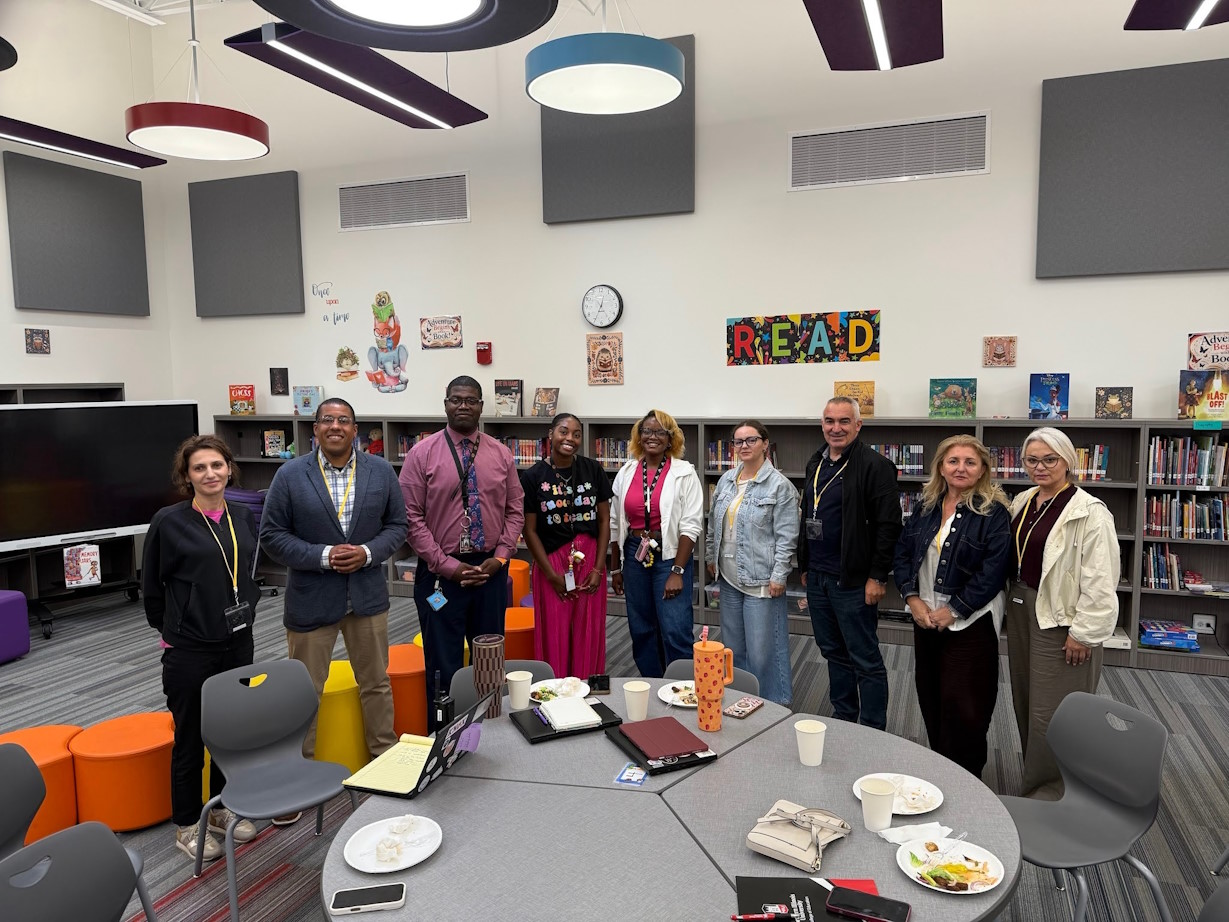
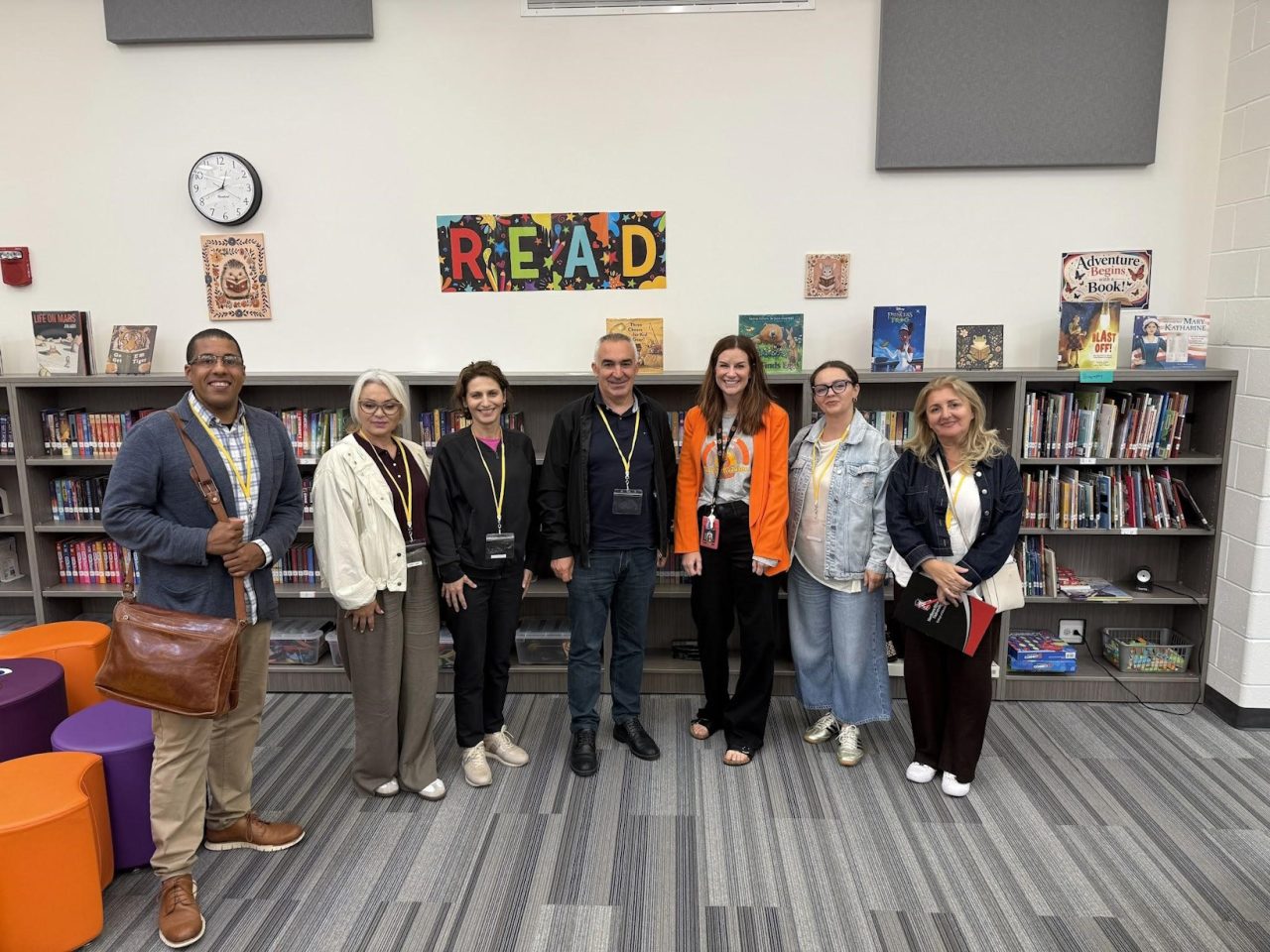
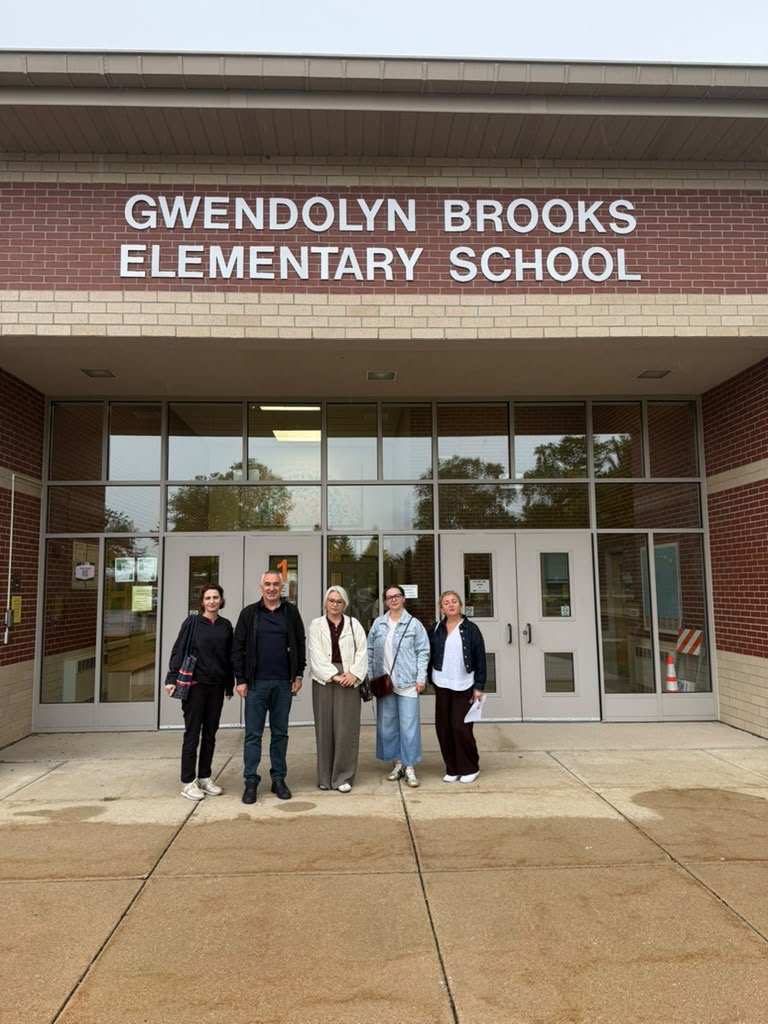
The experience gained through these activities was further enriched through visits to Gwendolyn Brooks Elementary School and Mitchell School. The delegation from the Faculty of Pedagogy had the opportunity to observe firsthand pedagogical practices and the ways in which socio-emotional approaches are implemented in American elementary schools, creating opportunities for direct exchange of experiences with education professionals.
Scientific cooperation was another important component of the visit. During the meetings, the findings of two joint research studies conducted by professors from the Faculty of Pedagogy at the University of Tetova and the College of Education at Northern Illinois University were presented and discussed.
The first study focuses on Social and Emotional Learning in classroom teaching and was conducted in several primary schools in the Republic of North Macedonia, including institutions providing instruction in both Albanian and Macedonian. The second study focuses on Trauma-Informed Education in secondary schools in the country. Both studies are in their final stages and are expected to be published in the coming period.
As part of the joint agenda, was also held the International Partnership Design Studio, providing an opportunity to explore new ways of cooperation and to adopt educational practices between the two countries. The discussions focused on student exchanges, cross-border teaching, intercultural cooperation, and the development of mechanisms that enable greater community involvement in the advancement of education.
A concrete step in this direction is the establishment of an advisory board, which will include six classroom teachers from the Republic of North Macedonia. As part of this program, virtual training sessions will be organized, providing teachers with the opportunity to exchange experiences with NIU academic partners, reflect on the implementation of Social and Emotional Learning practices in the local context, and contribute to the further development of joint activities.
During the meetings, the sustainability dimension of the partnership was also addressed, particularly through the identification of funding sources and the preparation of joint international projects. At the conclusion of the visit, both institutions expressed their readiness to orient their cooperation toward concrete outcomes in education, scientific research, and professional development. The partnership for the 2026–2031 period aims to establish an even more solid foundation for projects, academic exchange, and the development of innovative practices in the field of education.