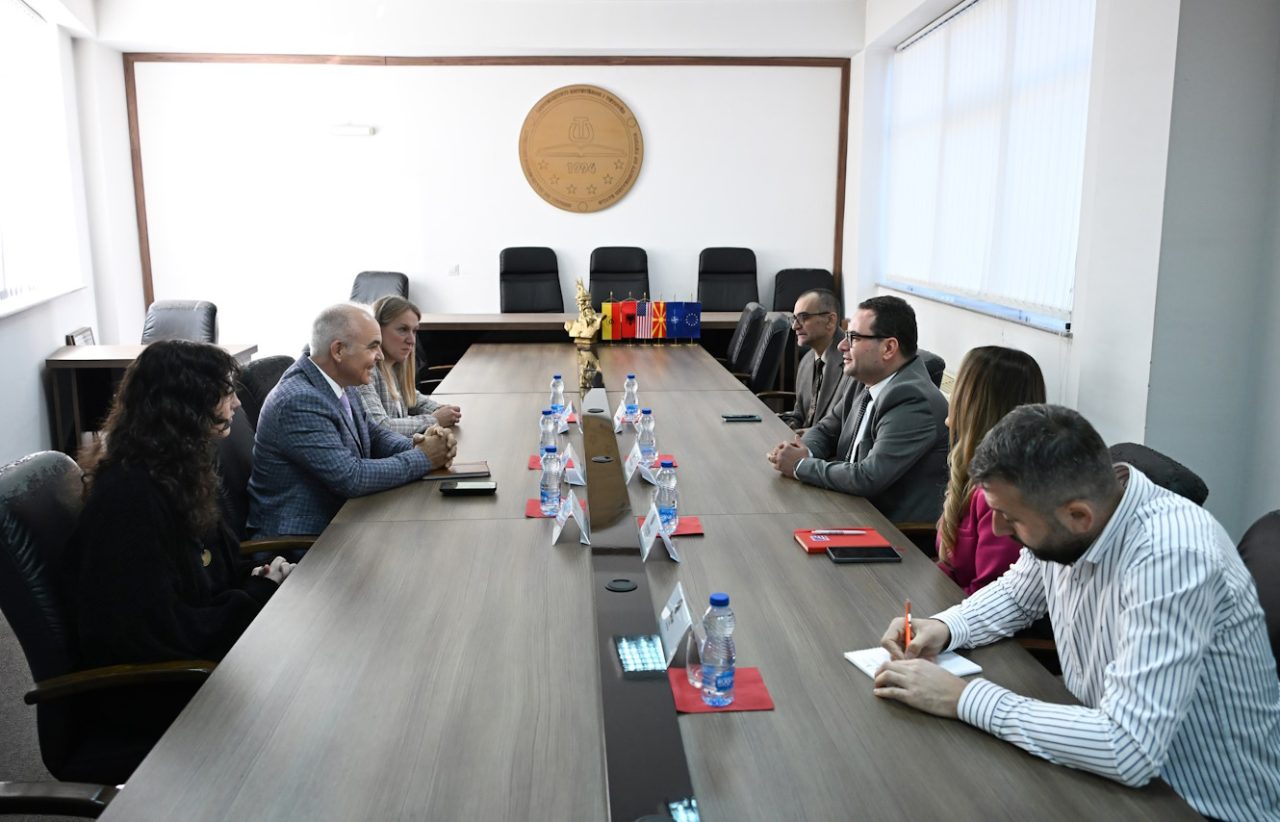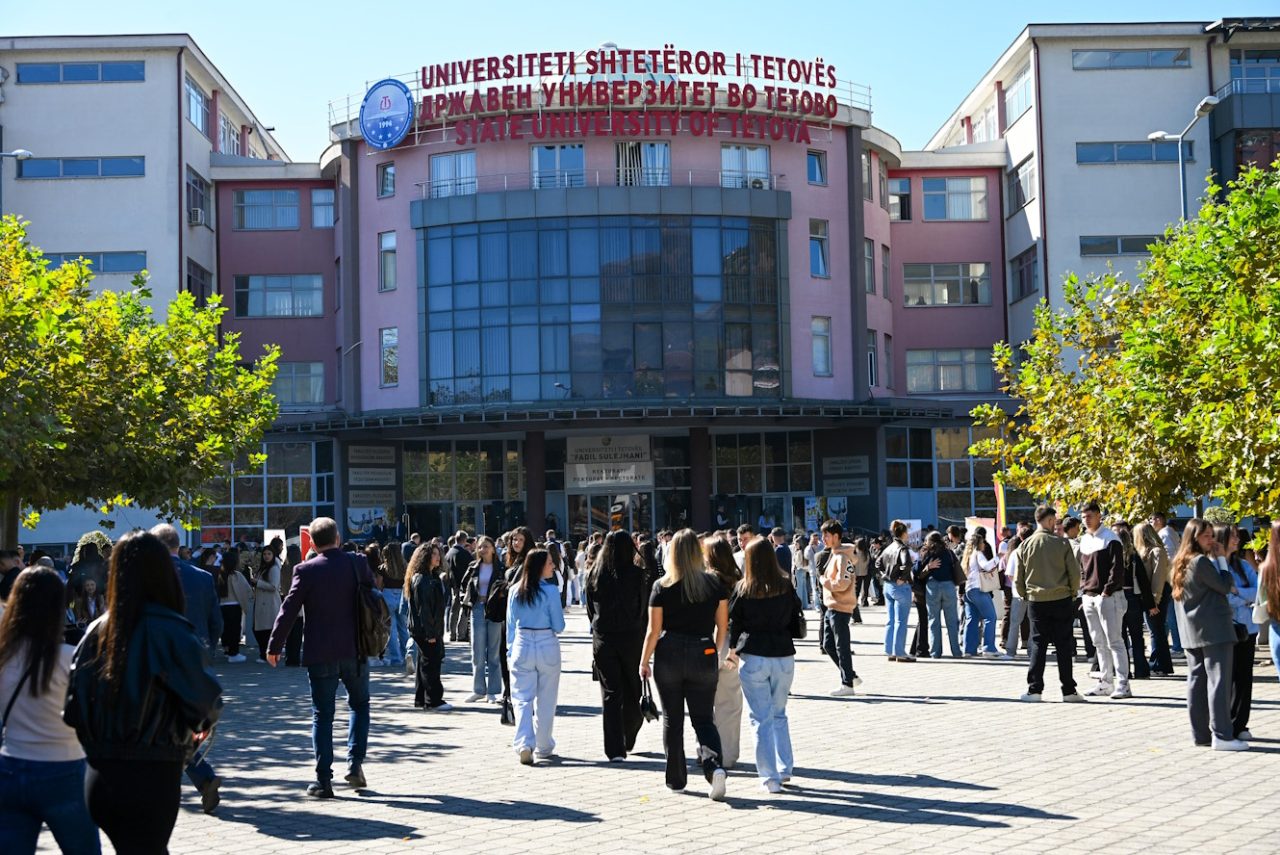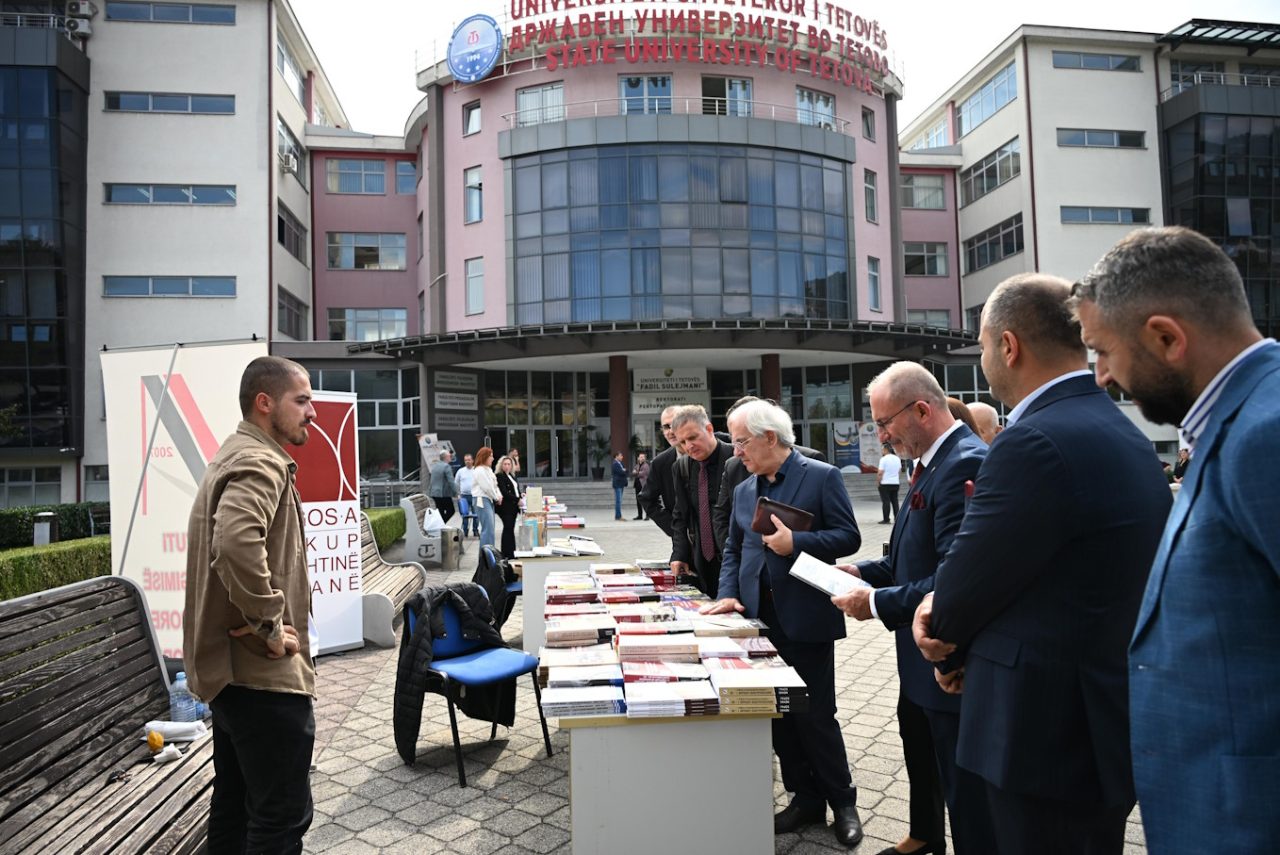
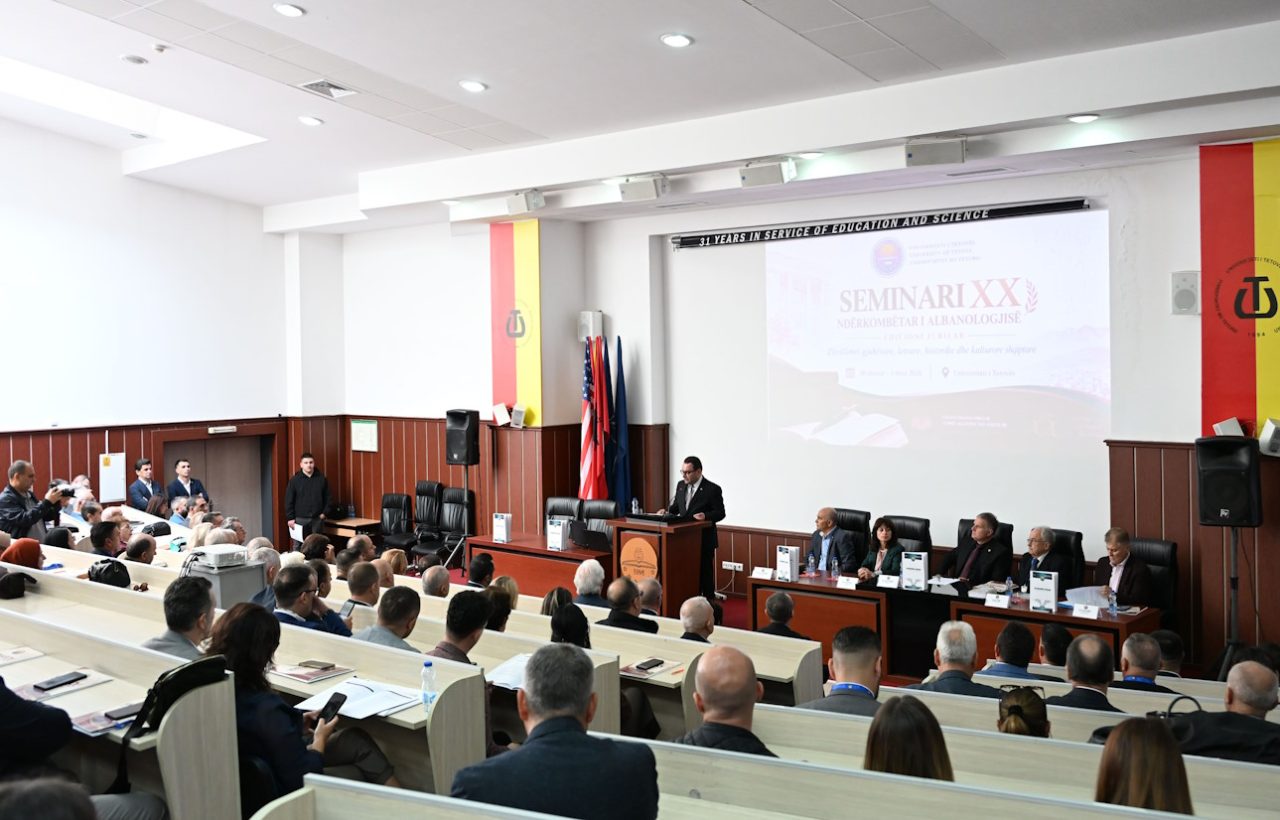
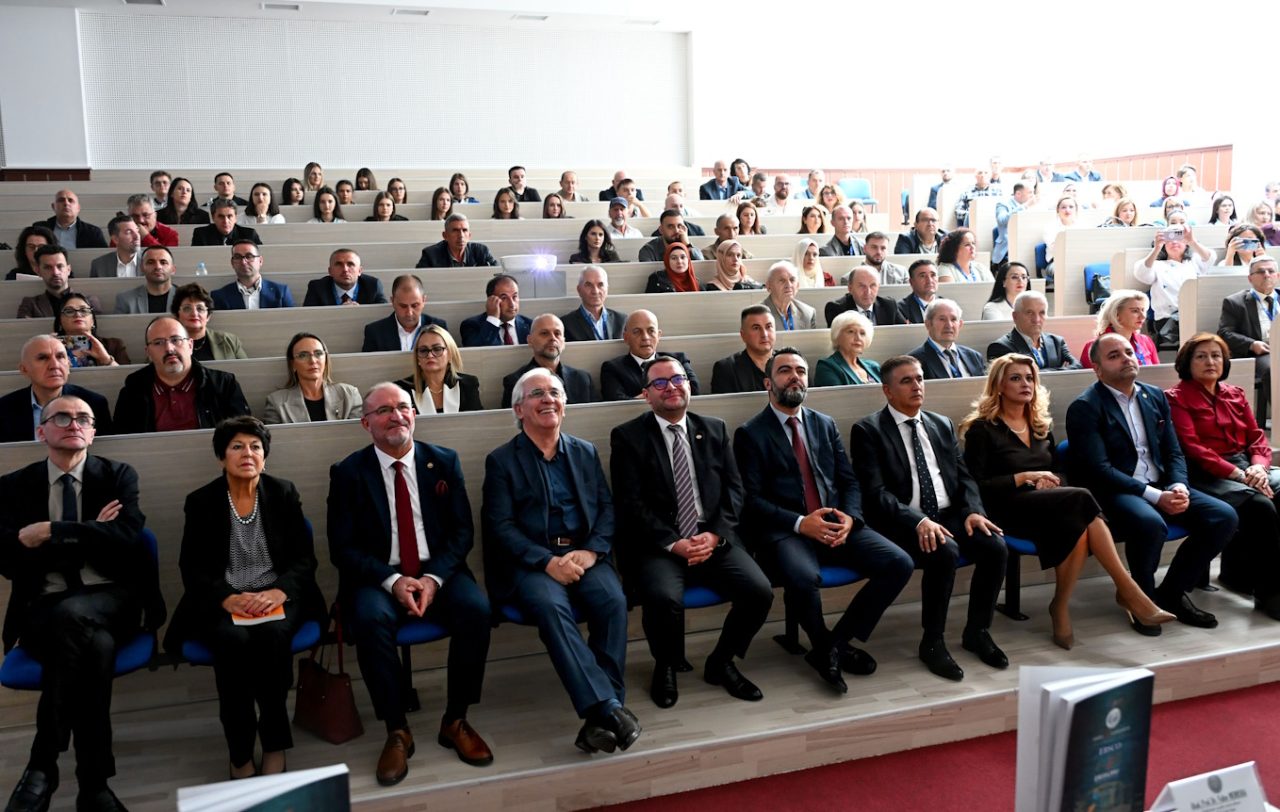
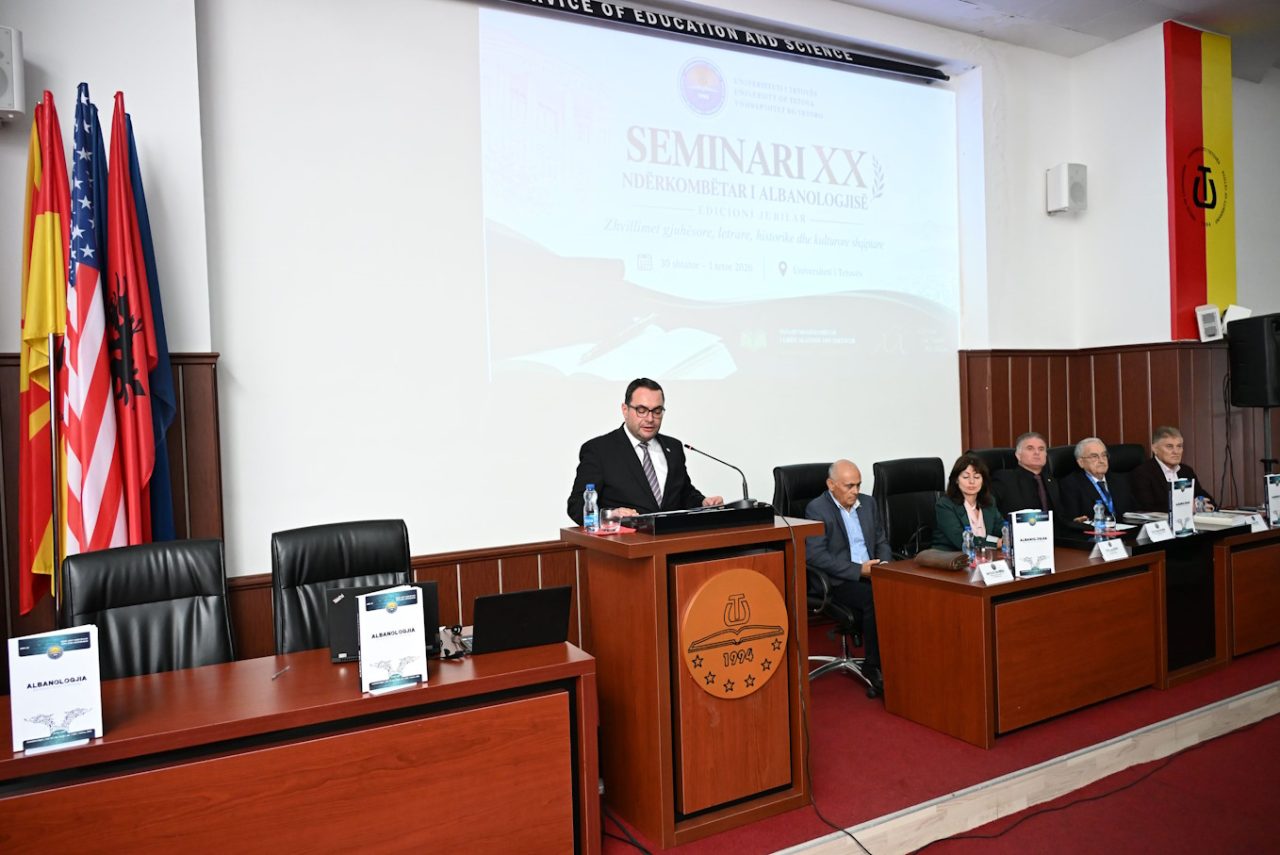
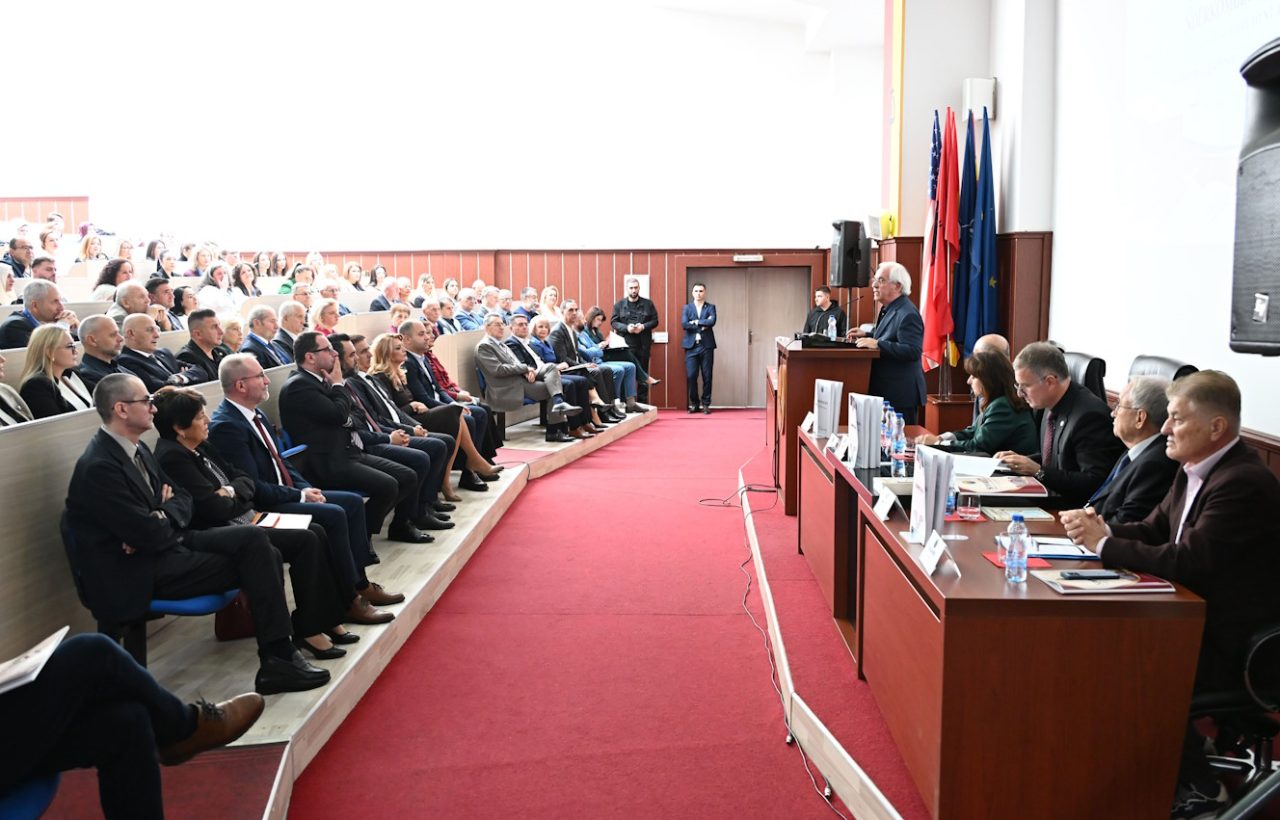
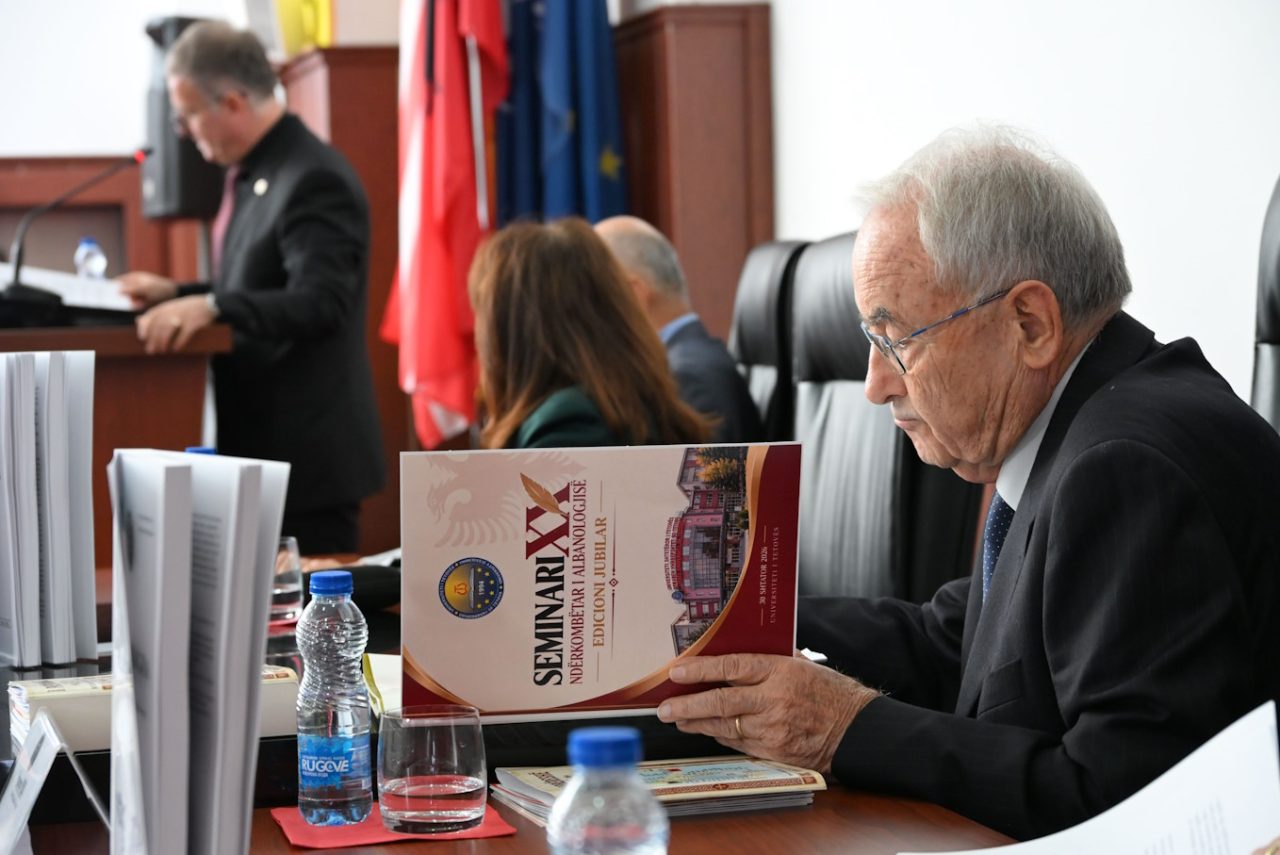
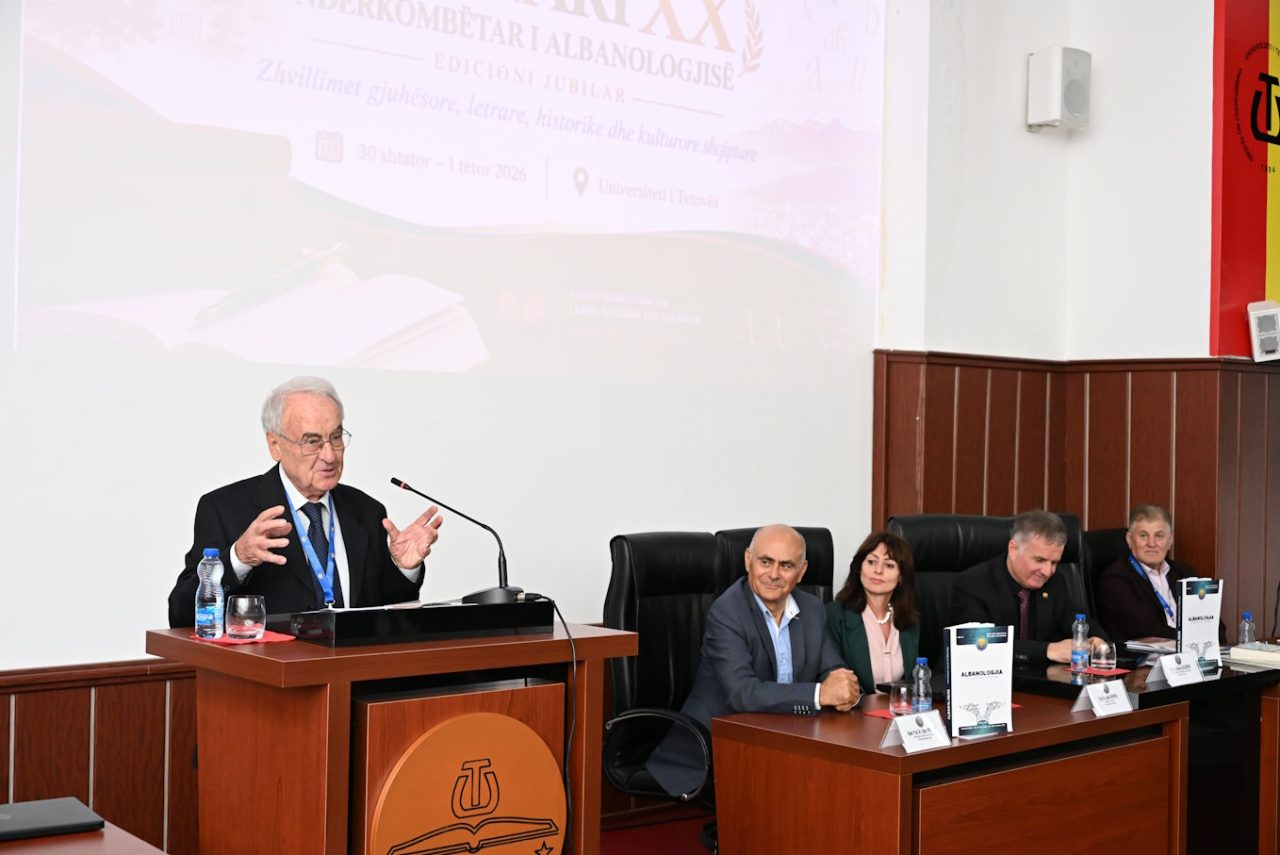
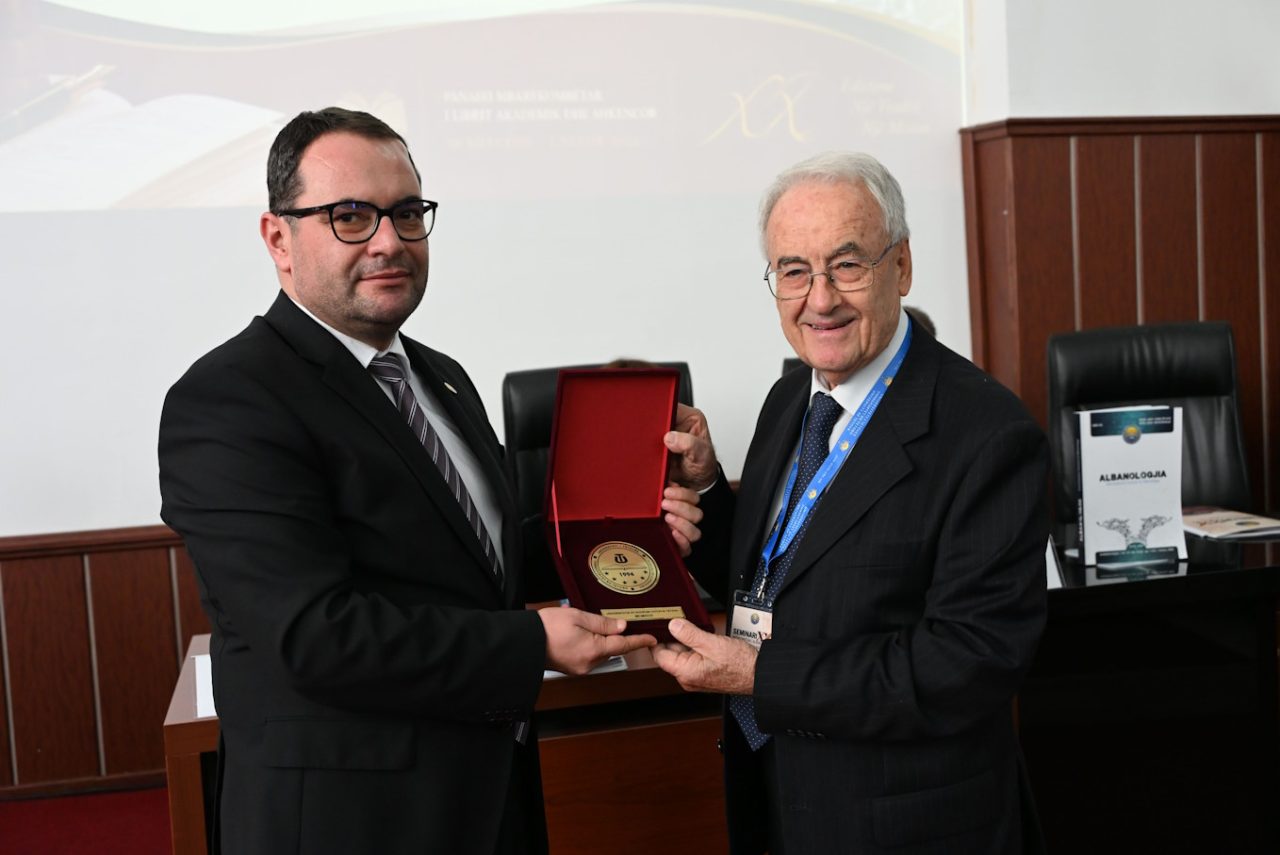
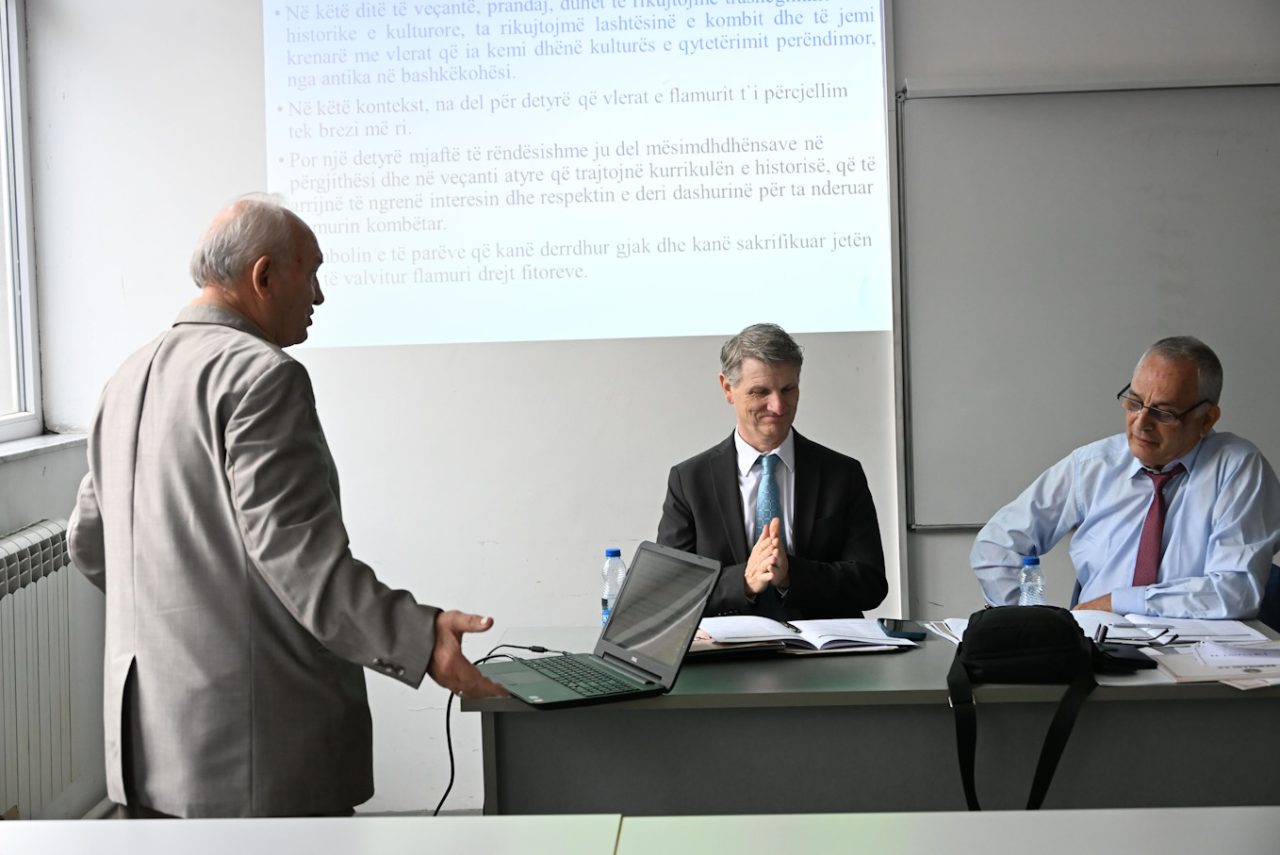
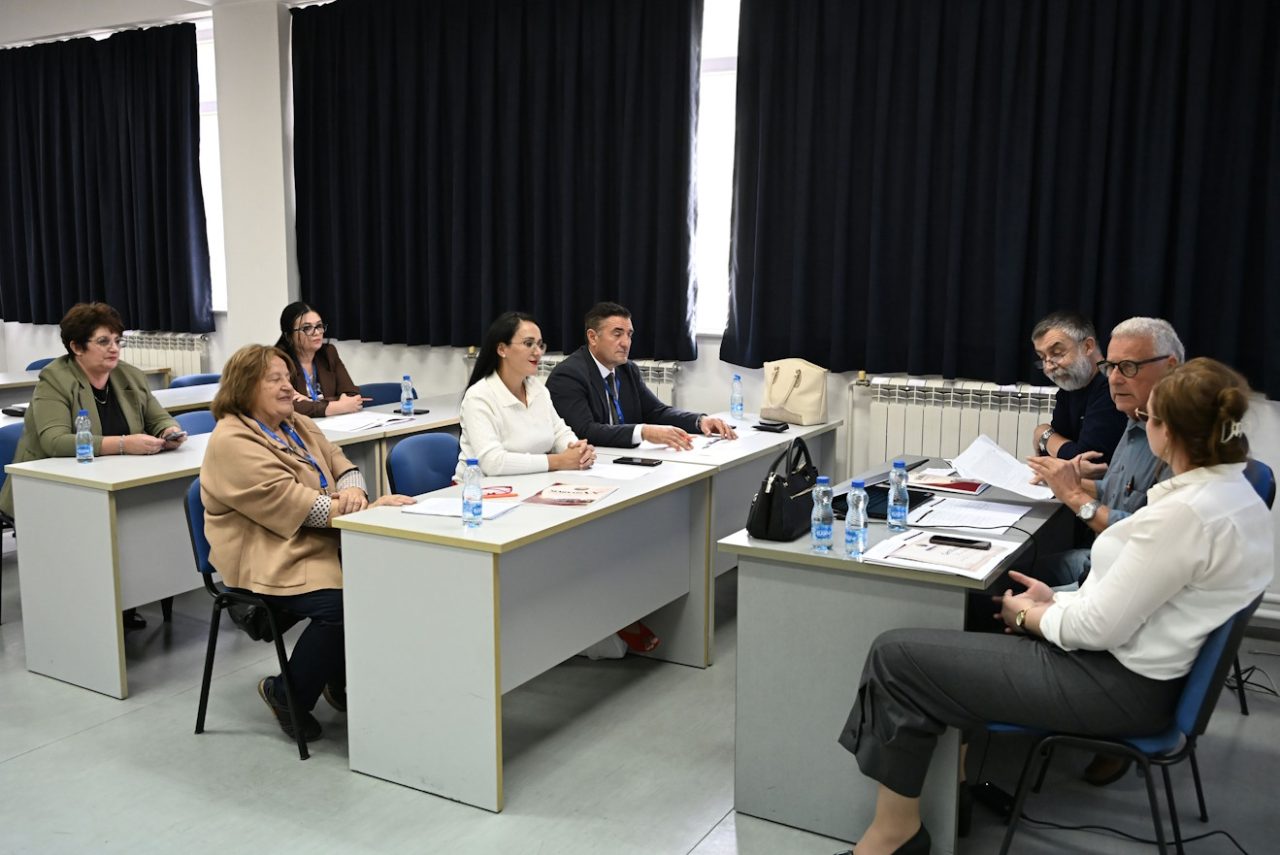
The proceedings of the 20th Jubilee Edition of the International Seminar of Albanology have begun at the University of Tetova, marking an event of scientific and cultural significance. With the central topic “Albanian Linguistic, Literary, Historical and Cultural Developments”, this jubilee edition brought together researchers, professors, academics, and Albanologists from North Macedonia, the region, and the international academic community. Through this event, the University of Tetova not only continues a tradition established over the years but also reaffirms its responsibility to preserve and further promote the Albanian language, history, and culture.
The seminar was opened by the Rector of the University of Tetova, Prof. Dr. Kushtrim Ahmeti, who, in his address, stated that today marks a jubilee that carries within it the memory of an academic journey, the dedication of generations of researchers, and our responsibility to ensure its continuity. “Twenty editions represent twenty chapters of an academic history; twenty gatherings of knowledge, scholarly debate, and cooperation; twenty opportunities in which researchers from different fields and backgrounds have come together to study, document, interpret, and promote the Albanian language, literature, history, and culture. The twenty editions of this seminar are meaningful because behind them are people: researchers who have presented their work; professors who have engaged in debate and exchanged ideas; authors who have published; institutions that have cooperated; and students who have listened, learned, and later become part of scientific research themselves. Therefore, this jubilee is also a moment of gratitude”, said the Rector of the University of Tetova, Prof. Dr. Kushtrim Ahmeti.
Continuing his address, the Rector also reflected on the words of the Albanian language. According to him, the words of a language preserve traces of history, ways of life, social developments, creativity, knowledge, and the experiences of generations. “Every word carries a history: some have traveled through the centuries, some have changed their meaning, some have been preserved in our dialects, while others emerge alongside the development of society, science, and technology. Therefore, documenting and systematizing the lexical wealth of the Albanian language is a task aimed at preserving our cultural memory and preparing the Albanian language for the future. And it is particularly symbolic that this work is being presented precisely at the 20th Jubilee Edition. Because at the foundation of Albanology lies the word. The word that has been spoken. The word that has been written. The word that has been preserved. The word that has been studied. And the word that we have a responsibility to pass on to future generations. This Seminar is not organized merely to honor what has been accomplished. Above all, it is organized for what still needs to be done. In your hands will lie the new questions of Albanian linguistics, new interpretations of literature, documents that have yet to be studied, archives awaiting digitization, and cultural phenomena requiring new analyses. Do not view heritage merely as something to be admired. Because the greatest respect for heritage is not simply to preserve it. It is to make it a source of new knowledge. Distinguished ladies and gentlemen, Over the course of these twenty editions, thousands of words have been spoken at this Seminar: about language, literature, history, culture, memory, identity, heritage, and knowledge. And precisely today, as part of this jubilee, we honor the Albanian word also through the Great Dictionary of the Albanian Language. I would like each of us to ask ourselves a question: What is the word that, for me, represents Albanology? For some, it may be language.
“For some, it may be memory. For others, heritage. For some, identity, culture, homeland, or knowledge. But whatever that word may be, they all come together in a shared responsibility: to study what we have inherited with rigor, to preserve it responsibly, and to develop it with vision,” said the Rector of the University of Tetova, Prof. Dr. Kushtrim Ahmeti. In his capacity as Deputy Minister of Education and Science of the Republic of North Macedonia, Mr. Driton Sulejmani also addressed the audience. He stated that twenty editions of this seminar are evidence of the continuity of scientific research, academic dedication, and cooperation among researchers working in the fields of Albanian language, literature, history, and culture. “Albanology is a field that requires continuous work, in-depth research, and interdisciplinary cooperation. Language and culture are not only part of our heritage, but are also dynamic fields of scholarly study, constantly enriched by new research, approaches, and findings. In this regard, the University of Tetova plays an important role in the development of higher education and scientific activity in the country, while the International Seminar of Albanology is one of the platforms where this activity takes on a broader dimension by bringing together researchers from different institutions and countries. On this jubilee occasion, I would like to express my respect to all the professors, researchers, organizers, and collaborators who, over these two decades, have contributed to ensuring that this seminar continues to serve as a space for academic dialogue and the exchange of knowledge. As the Ministry of Education and Science, we will continue to support science, research, academic cooperation, and the development of new scientific capacities, because an advanced education system cannot be built without a strong foundation. And this is precisely where the significance of this seminar lies: knowledge is preserved through study, but it is developed through research and transmitted to younger generations”, said the Deputy Minister of Education and Science of the Republic of North Macedonia, Mr. Driton Sulejmani.
Academician Skënder Gjinushi, President of the Academy of Sciences of Albania, emphasized that without raising the level of scientific research, it is not possible to have higher education that meets contemporary standards. In this regard, the Academy of Sciences seeks to play the role of coordinator and promoter of scientific research across all fields. “We must work together and develop a shared vision for the entire scientific research system, as we are too few to work in a fragmented manner. The University of Tetova is the main center for the formation, protection, and articulation of the identity and language of the Albanian people. This Seminar deserves recognition, as it clearly demonstrates that the University of Tetova has strengthened its mission of serving as a leading center for the development of Albanological sciences. I would like to thank the University of Tetova for its support in compiling the Dictionary, because this Dictionary demonstrates the richness of the Albanian language. Although Albanian is the language of a small people, it is a great language,” said Academician Skënder Gjinushi, President of the Academy of Sciences of Albania, among other remarks.
The Director of the 20th International Seminar of Albanology, Prof. Dr. Berton Sulejmani, stated in his address that interest in the jubilee edition has been exceptional. A total of 143 scientific papers were accepted for the program, with the participation of 163 authors and co-authors, organized into five sessions: linguistics, literature, history, ethnoculture, journalism and media. “In this year’s program, we sought to combine the present-day state of scientific research with several anniversaries that turn our attention to figures, works, and institutions of importance to Albanian culture. Attention is therefore devoted to the creative and scholarly generation born in 1936, on its 90th anniversary—a generation that includes prominent figures in Albanian literature, literary criticism, linguistics, history, music, theatre, and cinematography. Likewise, on the 125th anniversary of the death of Zef Serembe, the Seminar returns to the work and legacy of one of the important voices of Arbëresh literature. The commemorative character of this edition is further enriched by the 110th anniversary of the Literary Commission of Shkodra, one of the important milestones in the history of efforts to unify and standardize the Albanian language. The presence of Francesco Perri also gives this edition particular significance, serving as evidence of the longstanding and uninterrupted ties between the Arbëresh community and the Albanian language and culture. The Arbëresh presence at the Seminar reminds us that the scope of Albanology is not defined solely by geographical borders. It has also been shaped and enriched in places where the Albanian language, memory, and culture have been preserved for centuries far from their direct homeland”, said the Director of the 20th International Seminar of Albanology, Prof. Dr. Berton Sulejmani.
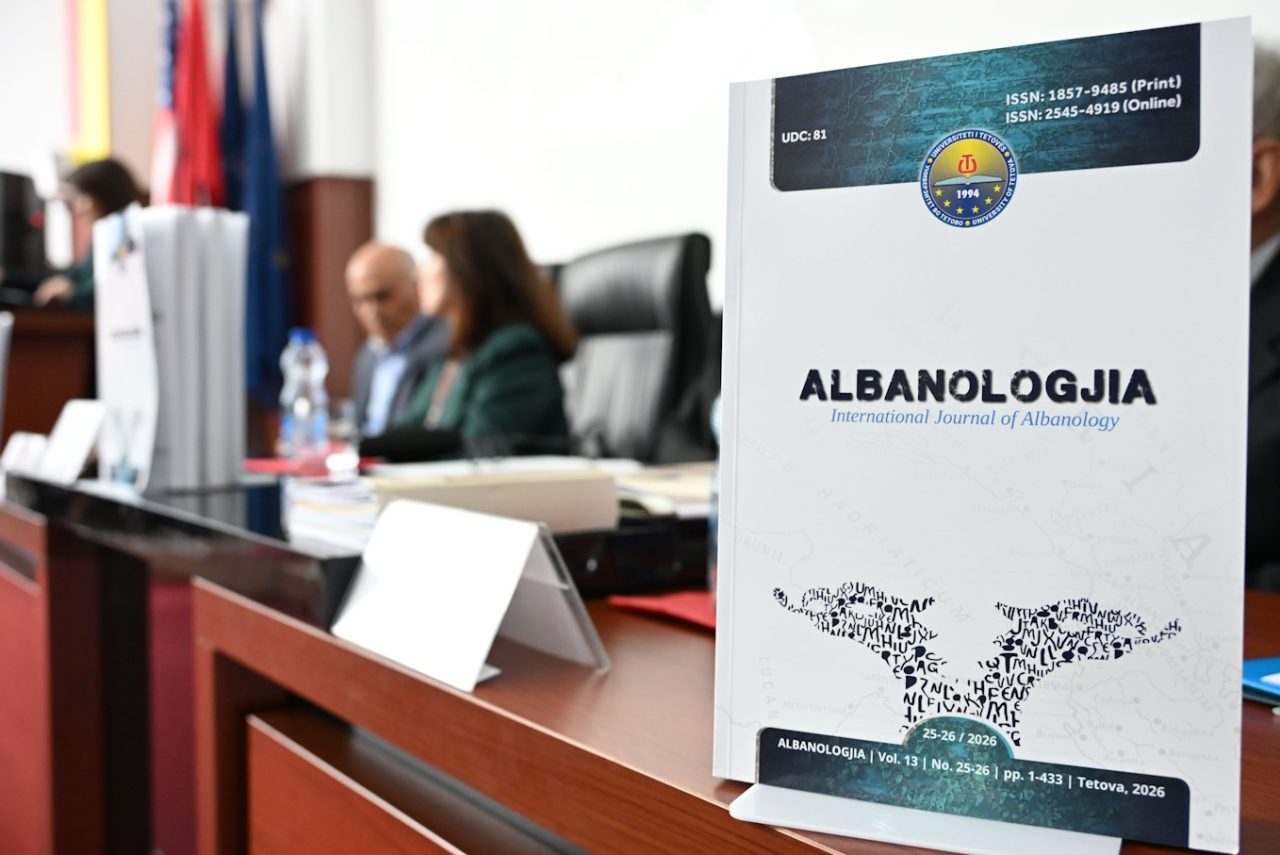
He then also addressed scientific journals. According to him, a scientific jubilee is perhaps not measured solely by the number of activities carried out. It is also measured by what remains from them. In this sense, an important part of the Seminar’s twenty-year legacy consists of its publications and scientific journals. “The materials from the first six editions of the Seminar, held from 2007 to 2012, were published in separate volumes, while from the seventh edition onward, the papers have been published and continue to be published in the international journal Albanologjia. In this way, the scholarly work carried out at the Seminar has not remained confined to the days of the event, but has been preserved, published, and incorporated into the body of Albanological studies. The National Academic and Scientific Book Fair is also part of this jubilee edition. We would like to thank the academies, universities, institutes, archives, research centers, and publishing houses that have responded to our invitation and that, through their presence and publications, are enriching this jubilee”, stated, among other remarks, the Director of the 20th International Seminar of Albanology, Prof. Dr. Berton Sulejmani.
The highlight of this jubilee edition of the Seminar was the presentation of the Great Dictionary of the Albanian Language, a landmark work of Albanian lexicography and a major scholarly achievement in preserving, enriching, and further standardizing our language. This dictionary is more than a collection of words. It is a record of the language’s memory, a testament to its development, and a cultural asset that connects generations through the written and spoken word. The content and methodology of the dictionary were presented by Academician Valter Memisha, with the topic “Principles and Methods for Compiling the Great Dictionary of the Albanian Language”; Prof. Dr. Shezai Rrokaj, with the topic “The Informative and Normative Function of the Great Dictionary of the Albanian Language”; and Prof. Dr. Anila Kananaj, who addressed the contemporary and digital dimension of the dictionary with the topic “The Great Dictionary of the Albanian Language in the Online System”.
Next, Prof. Dr. Francesk Perri, former Mayor of Vaccarizzo Albanese and an Arbëresh from Calabria, presented his paper entitled “Arbëria of Italy: Archival Preservation, Demographic Dynamics, and the Challenge of Orality – A Model for the Protection of Identity”.
With this jubilee edition, marking two decades of dedication to knowledge and scientific research, the University of Tetova reaffirmed its role as one of the leading academic centers for the development and promotion of Albanological studies. The Seminar’s program will continue with scientific sessions and activities throughout the following day, according to the scheduled agenda.
The solemn ceremony of the Seminar concluded with several selected artistic performances by renowned artists and professors, Prof. Dr. Kastriot Tusha and Prof. Dr. Bajramali Idrizi, who brought special moments of emotion to those in attendance.