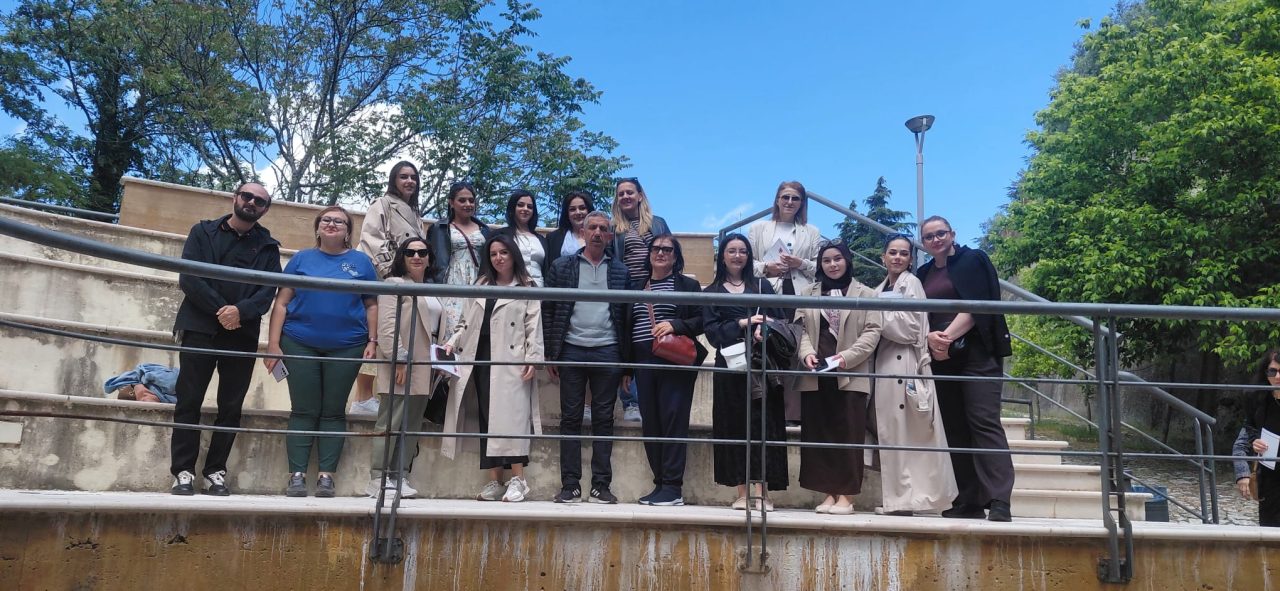
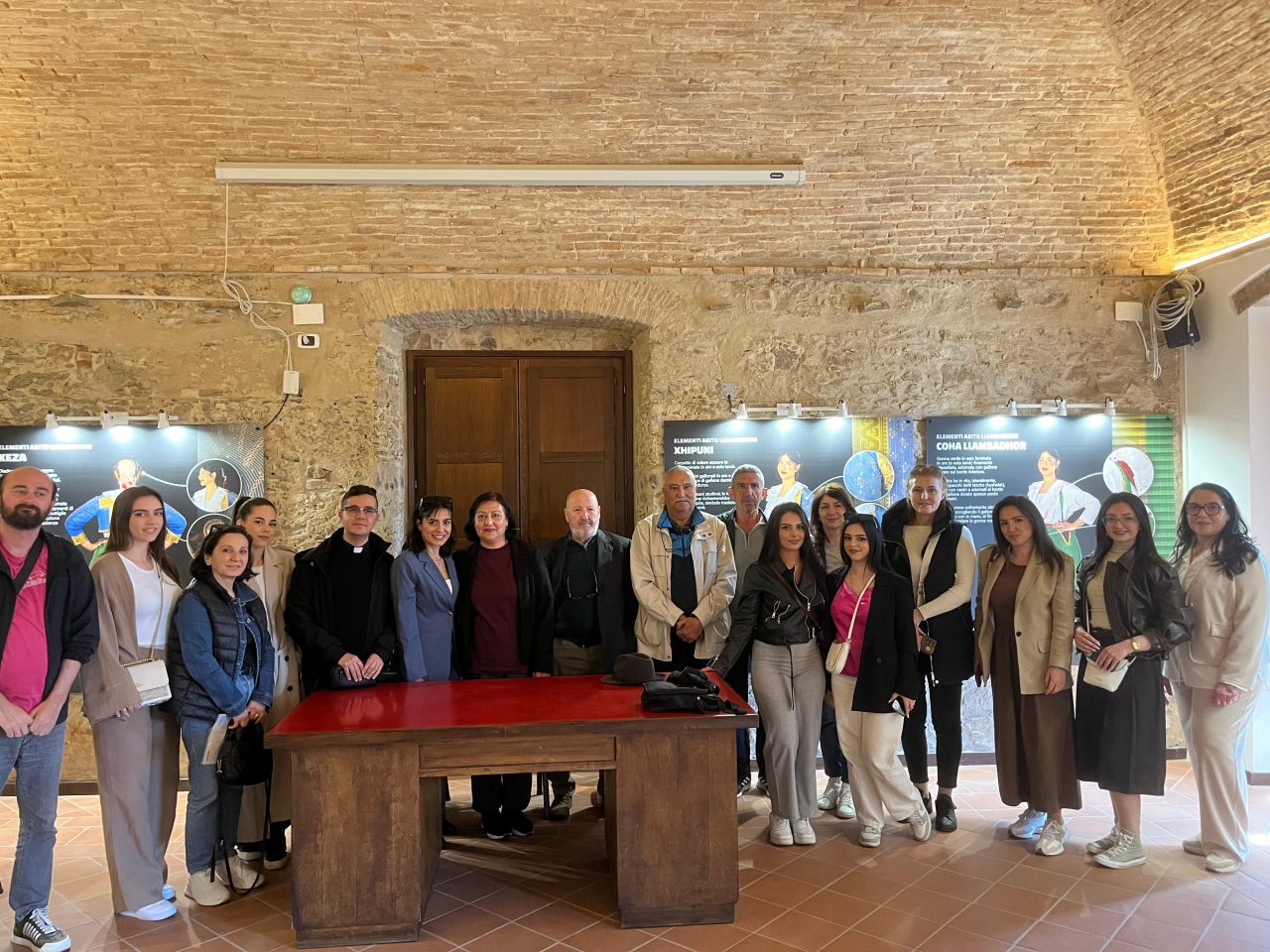
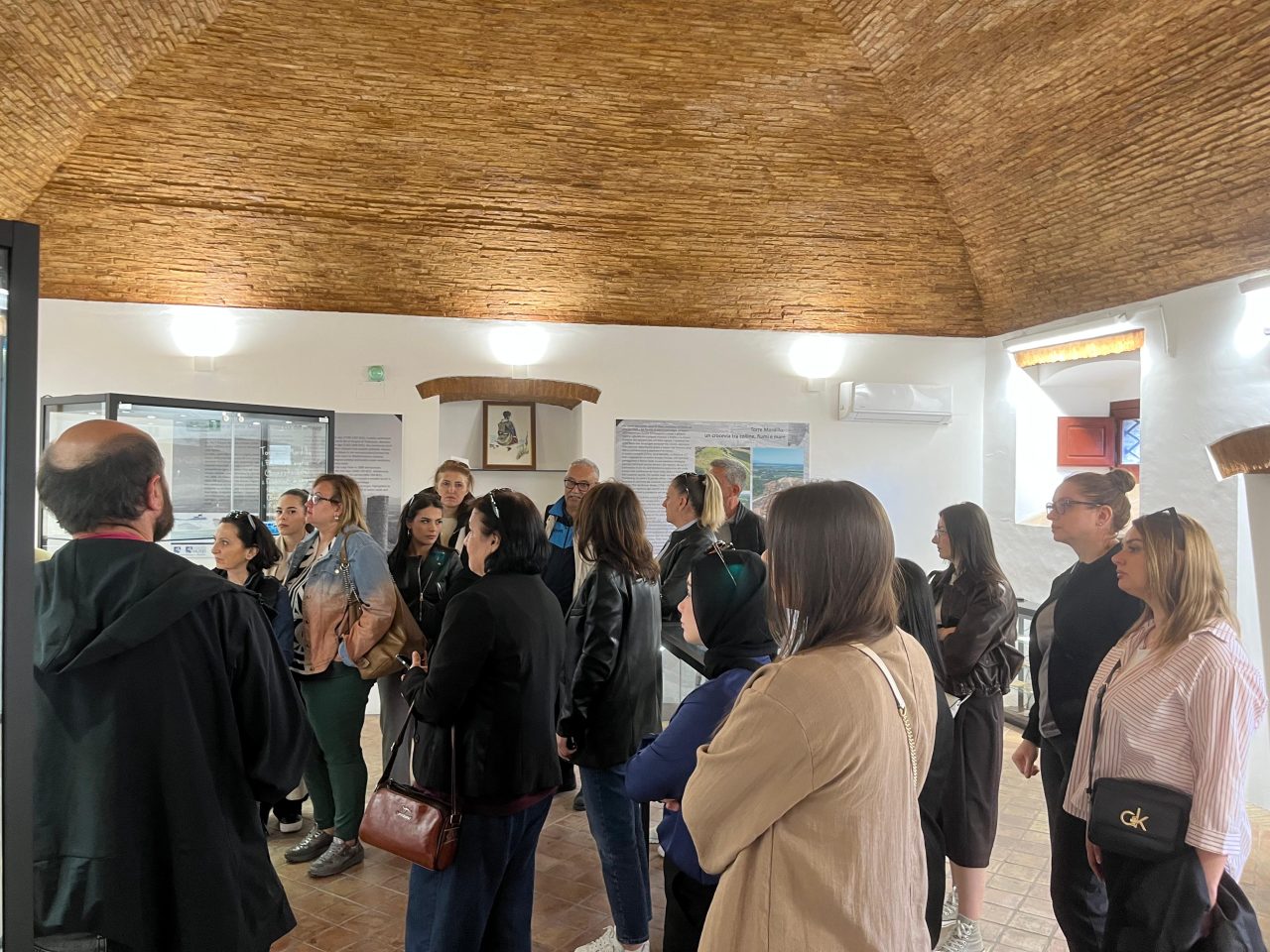
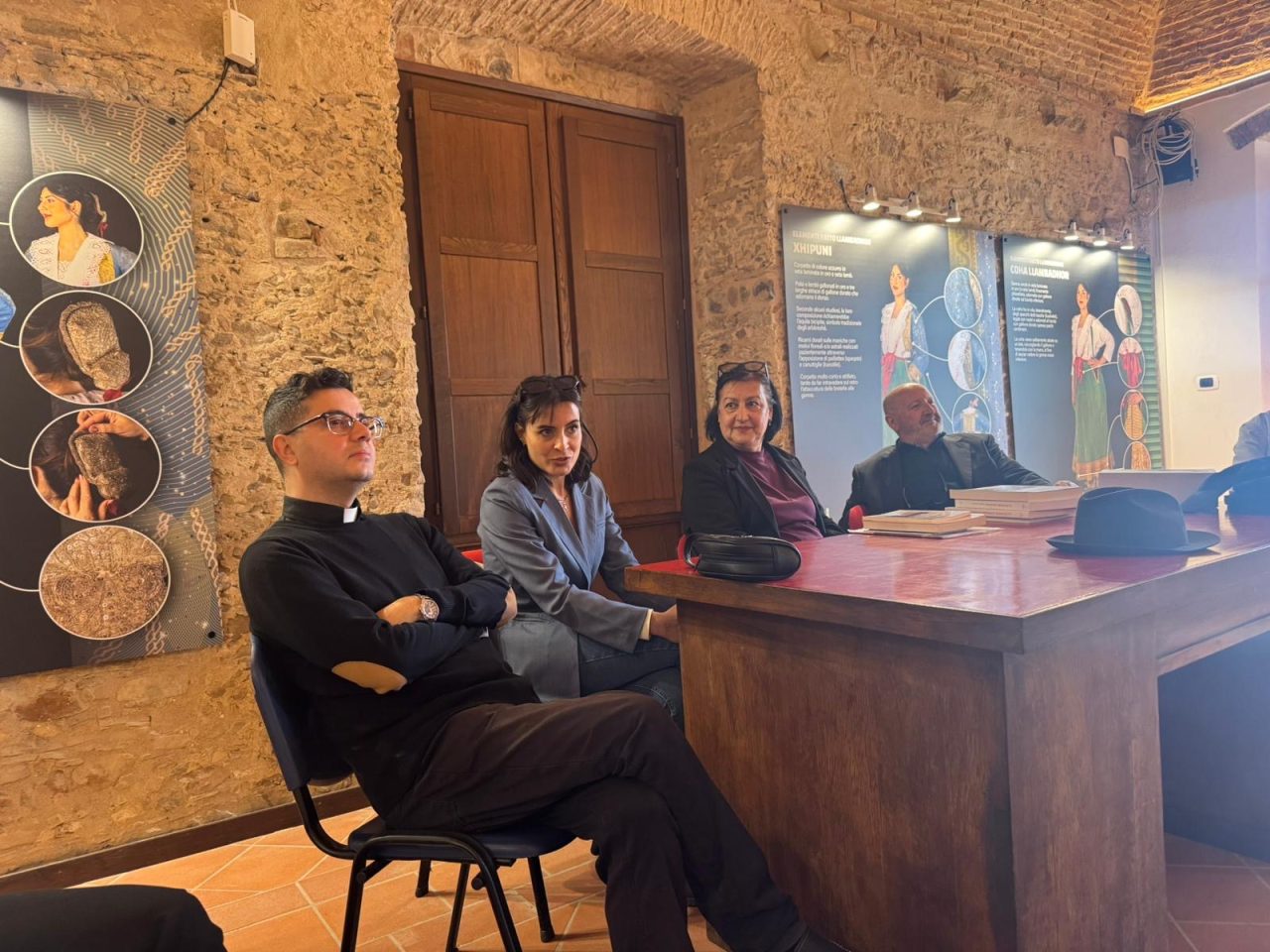
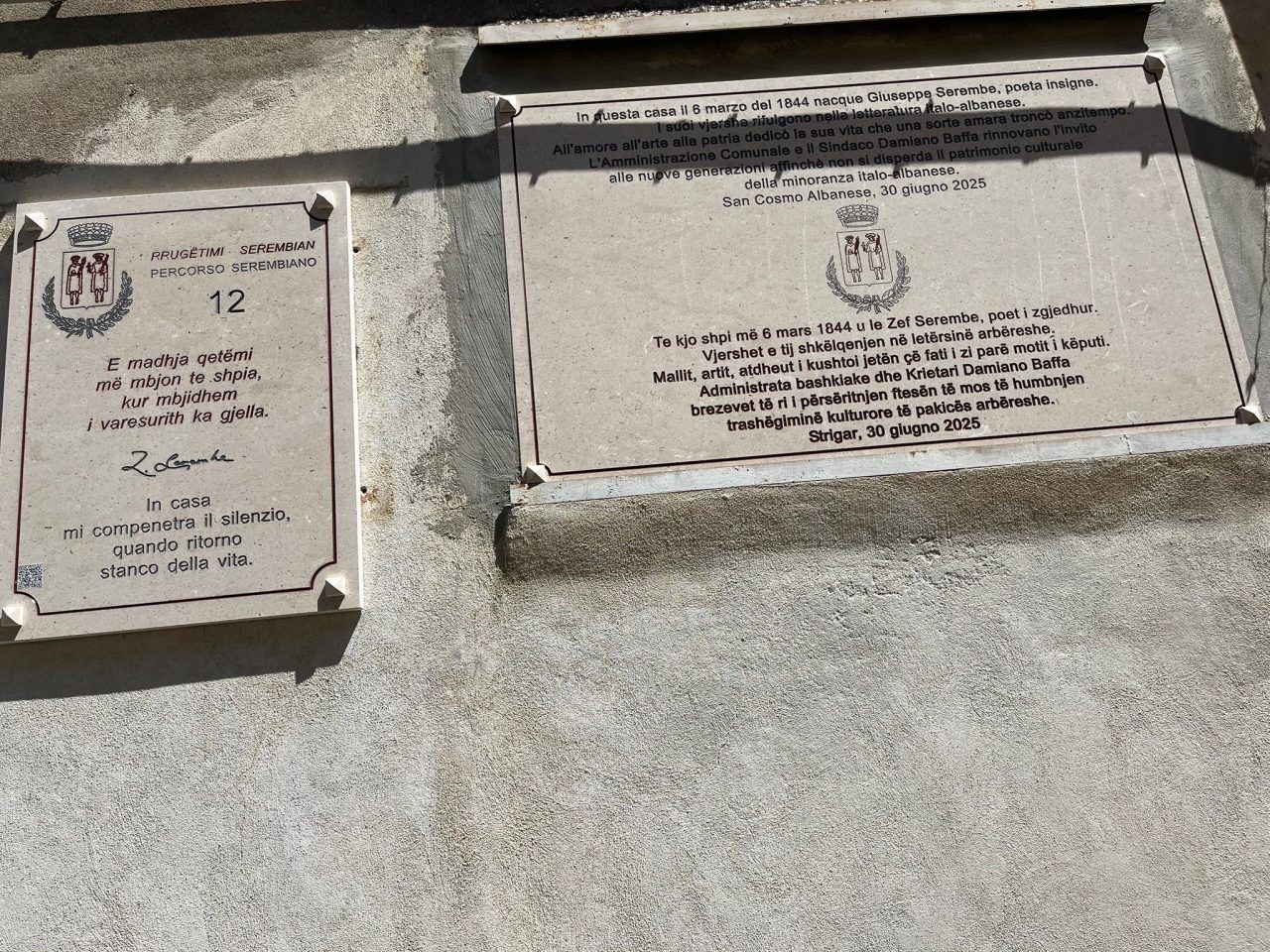
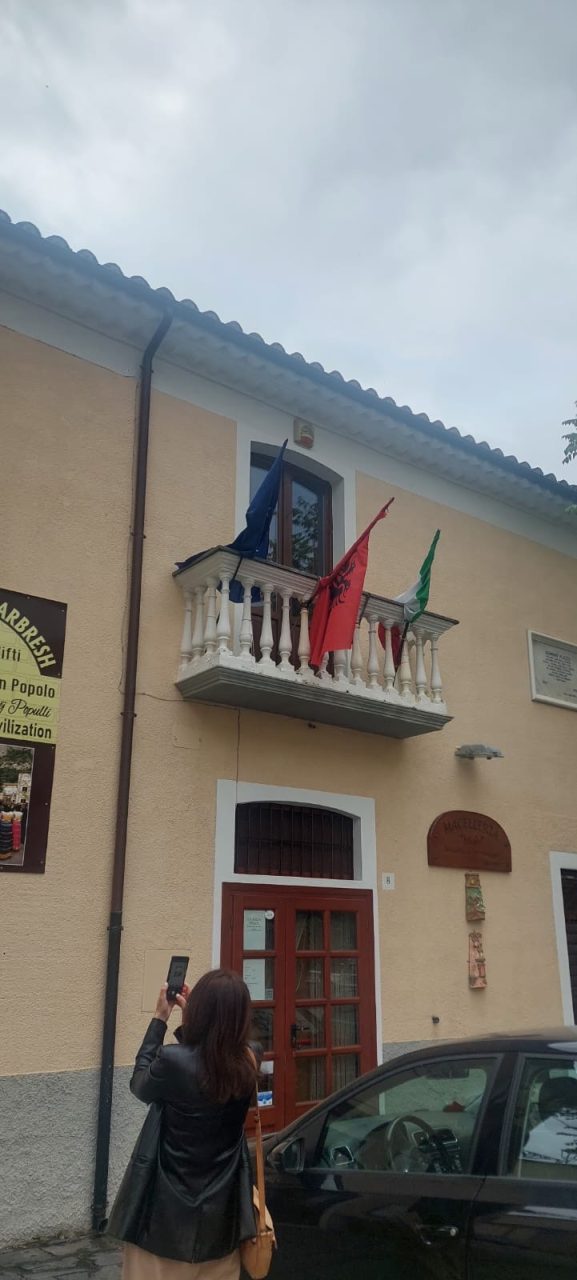
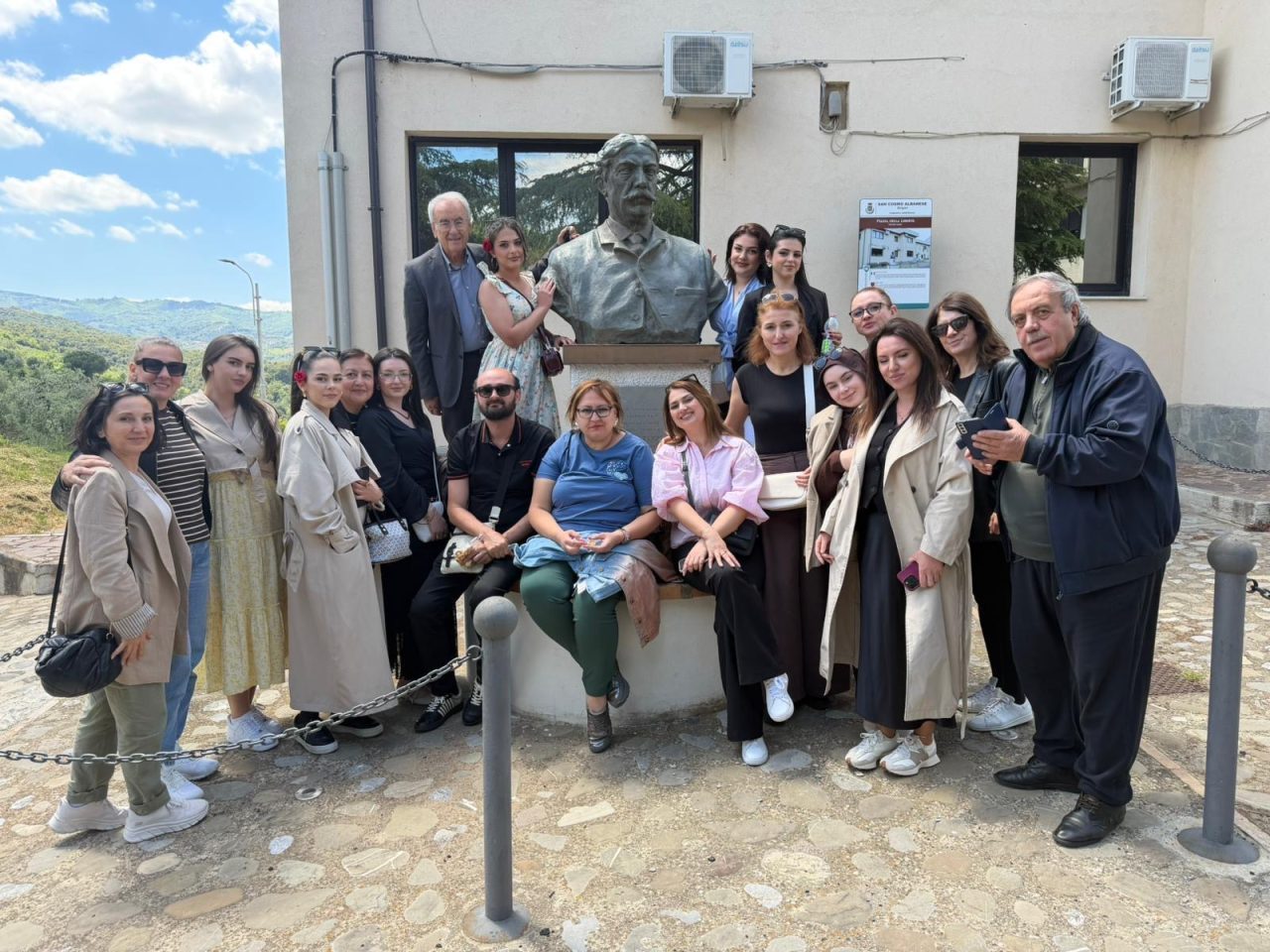
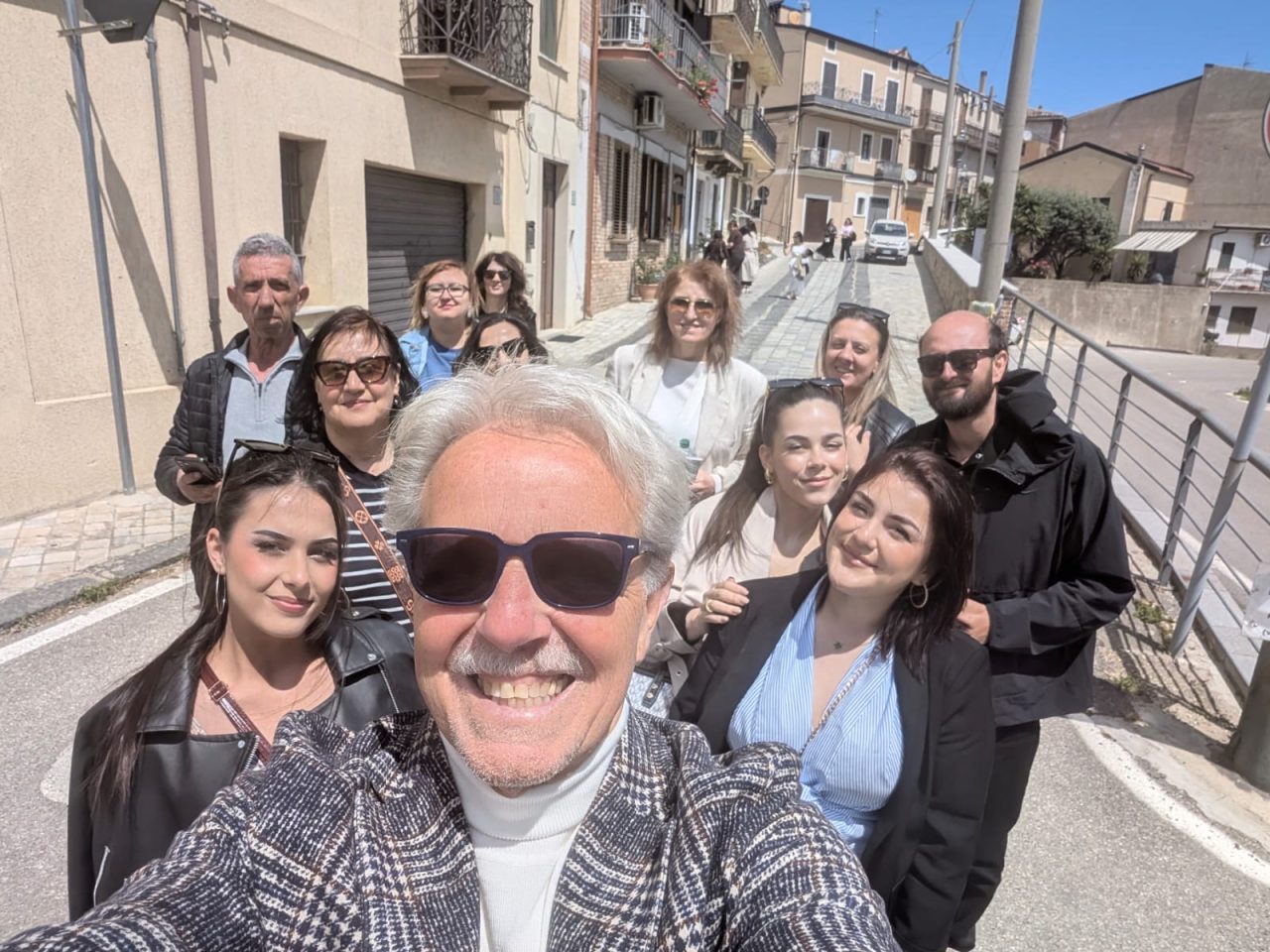
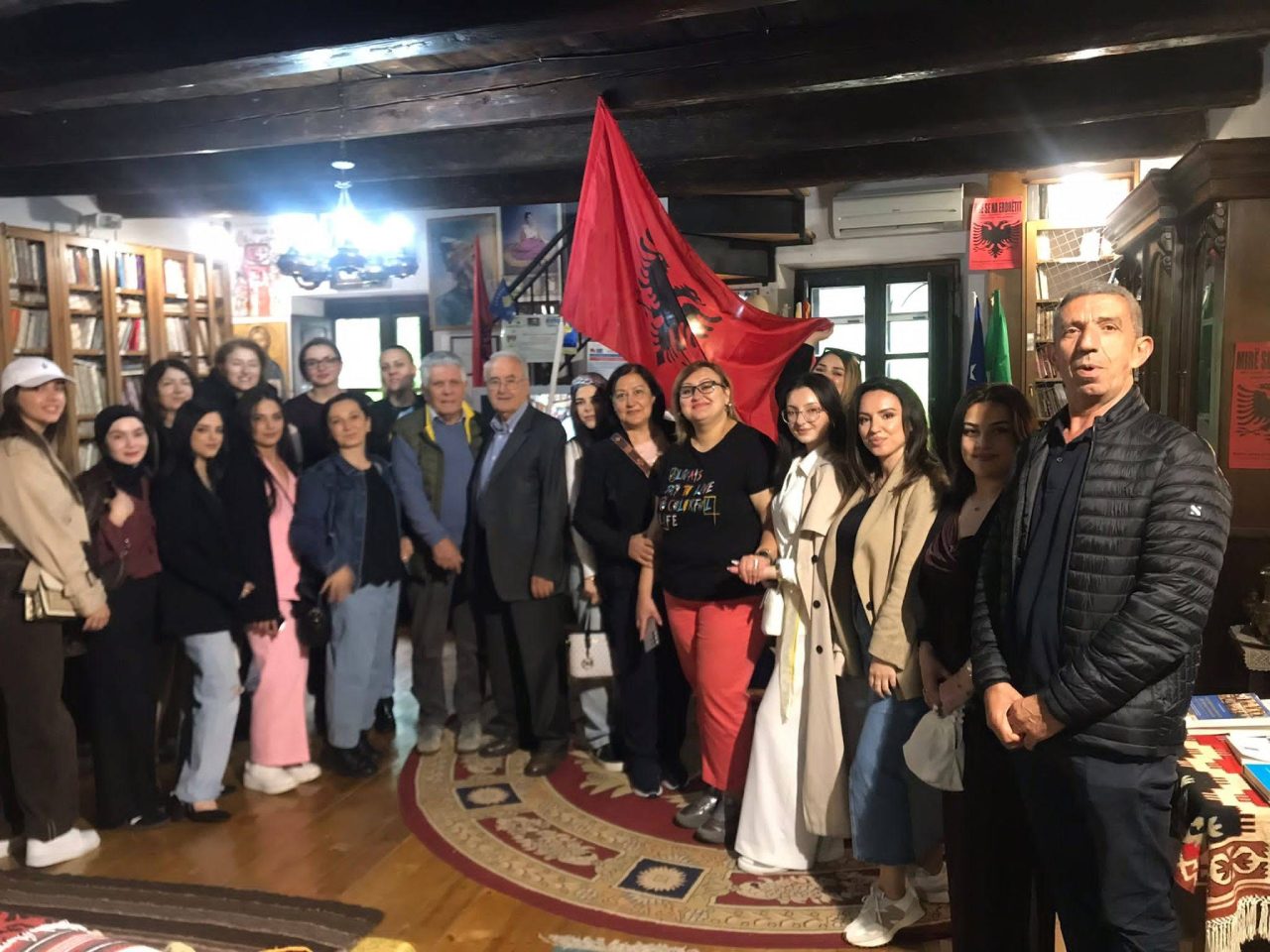
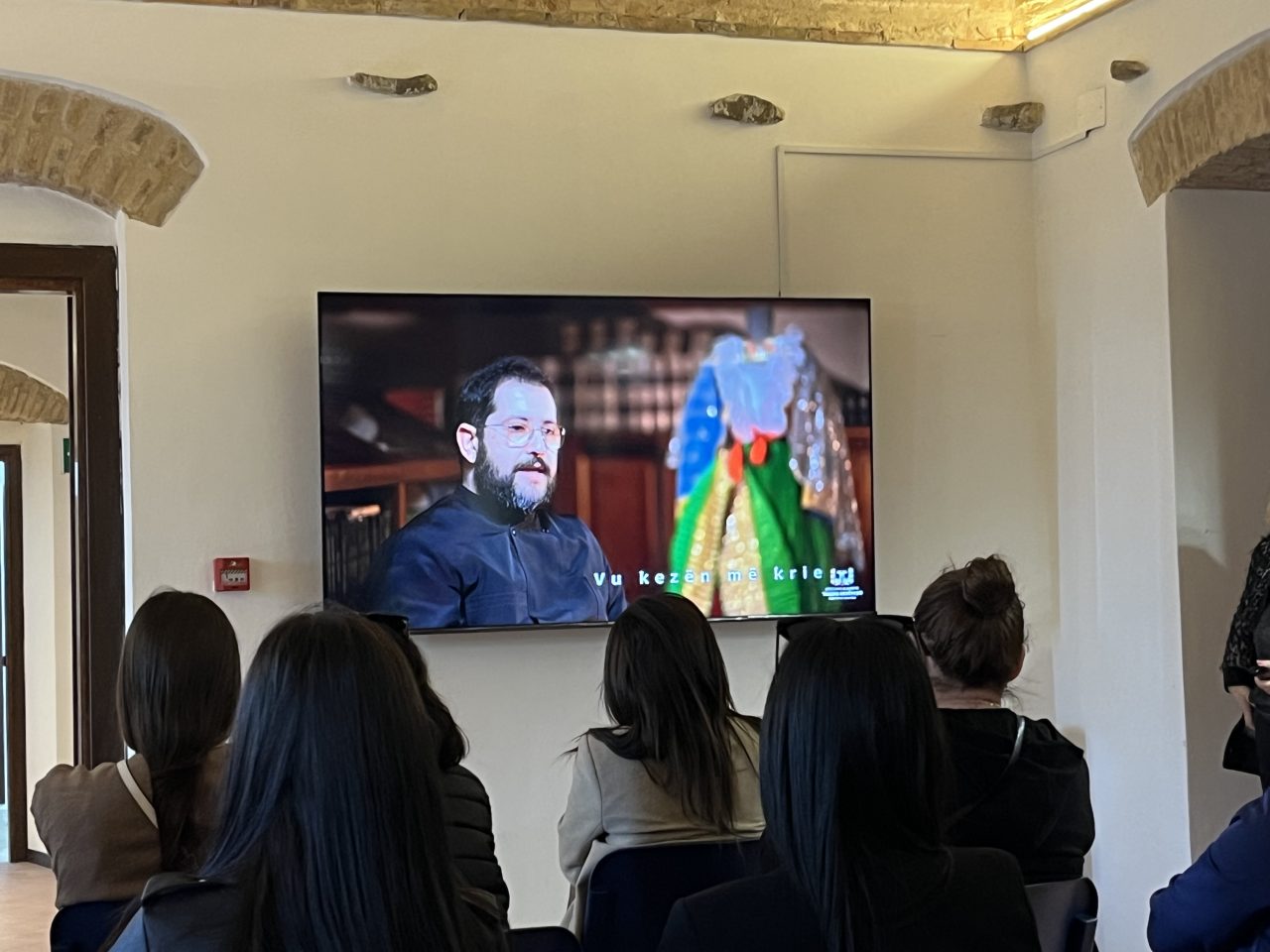
A delegation from the Faculty of Philology at the University of Tetova, led by Dean Prof. Dr. Emine Shabani, carried out a study visit to Calabria, Italy, during the period April 28 – May 2, 2026.
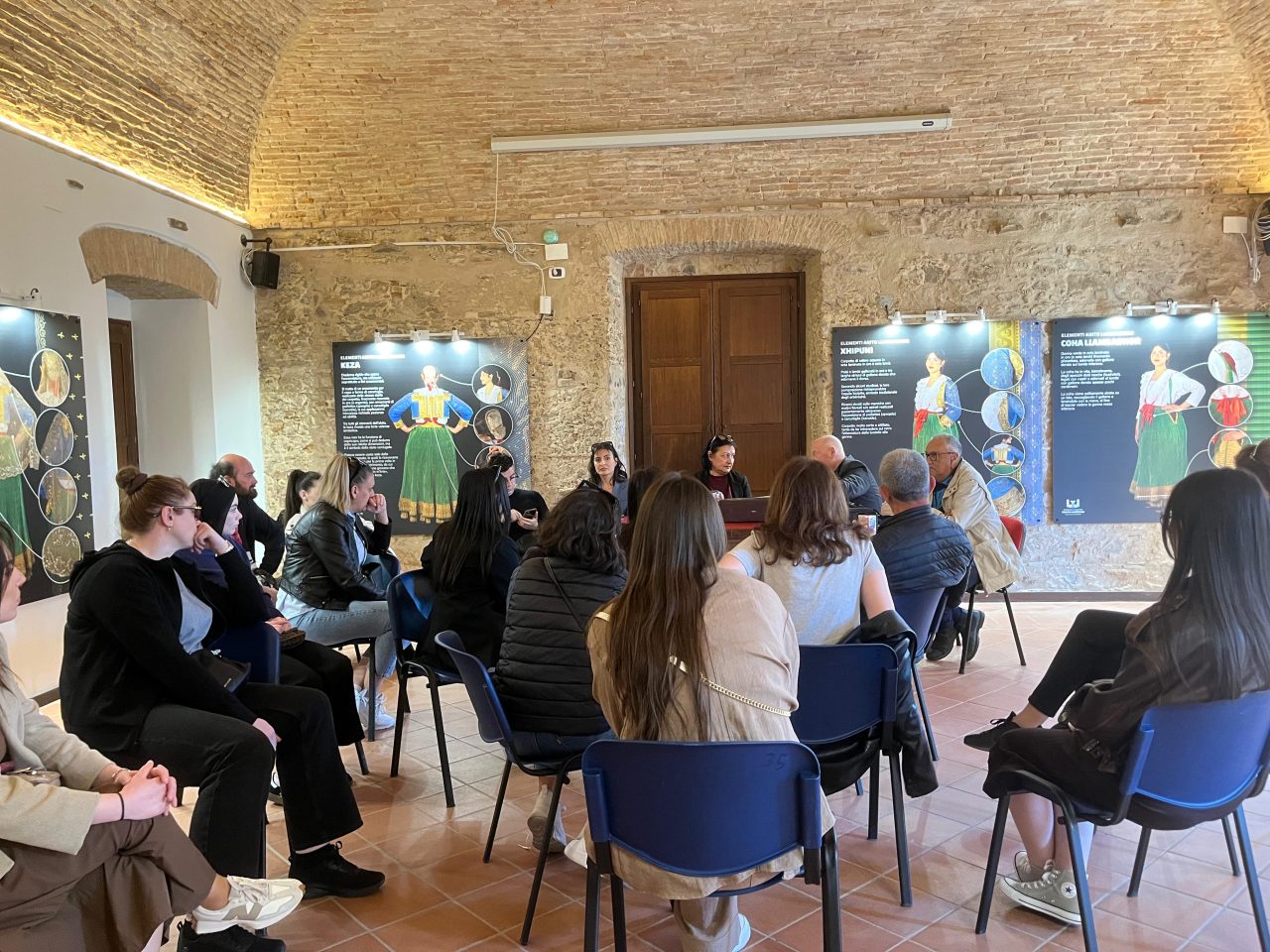
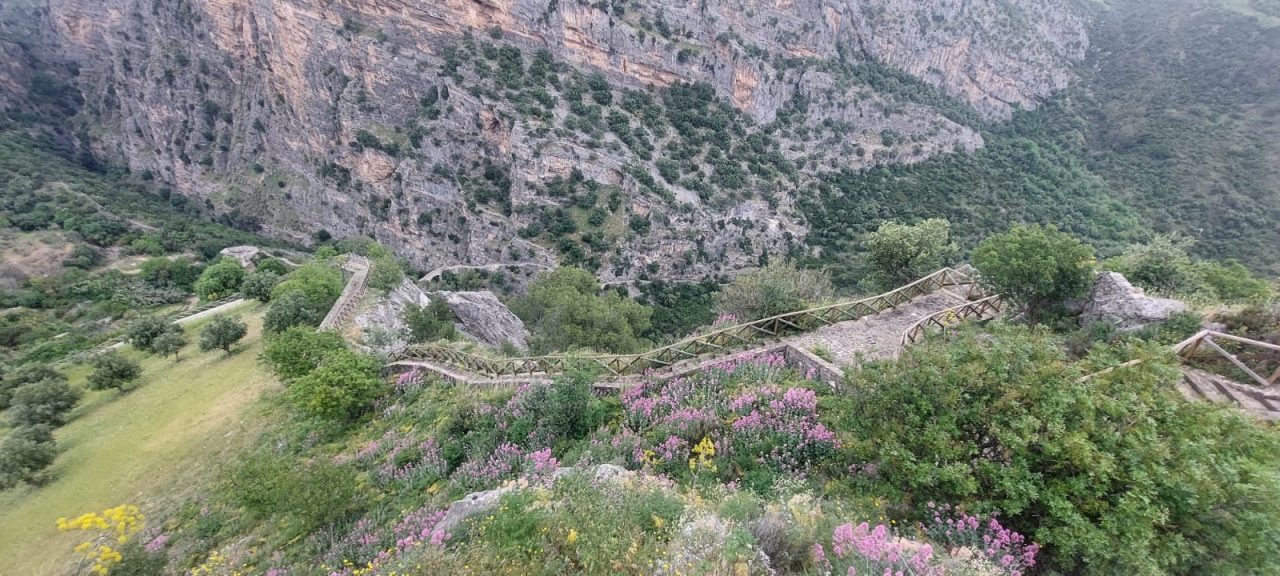
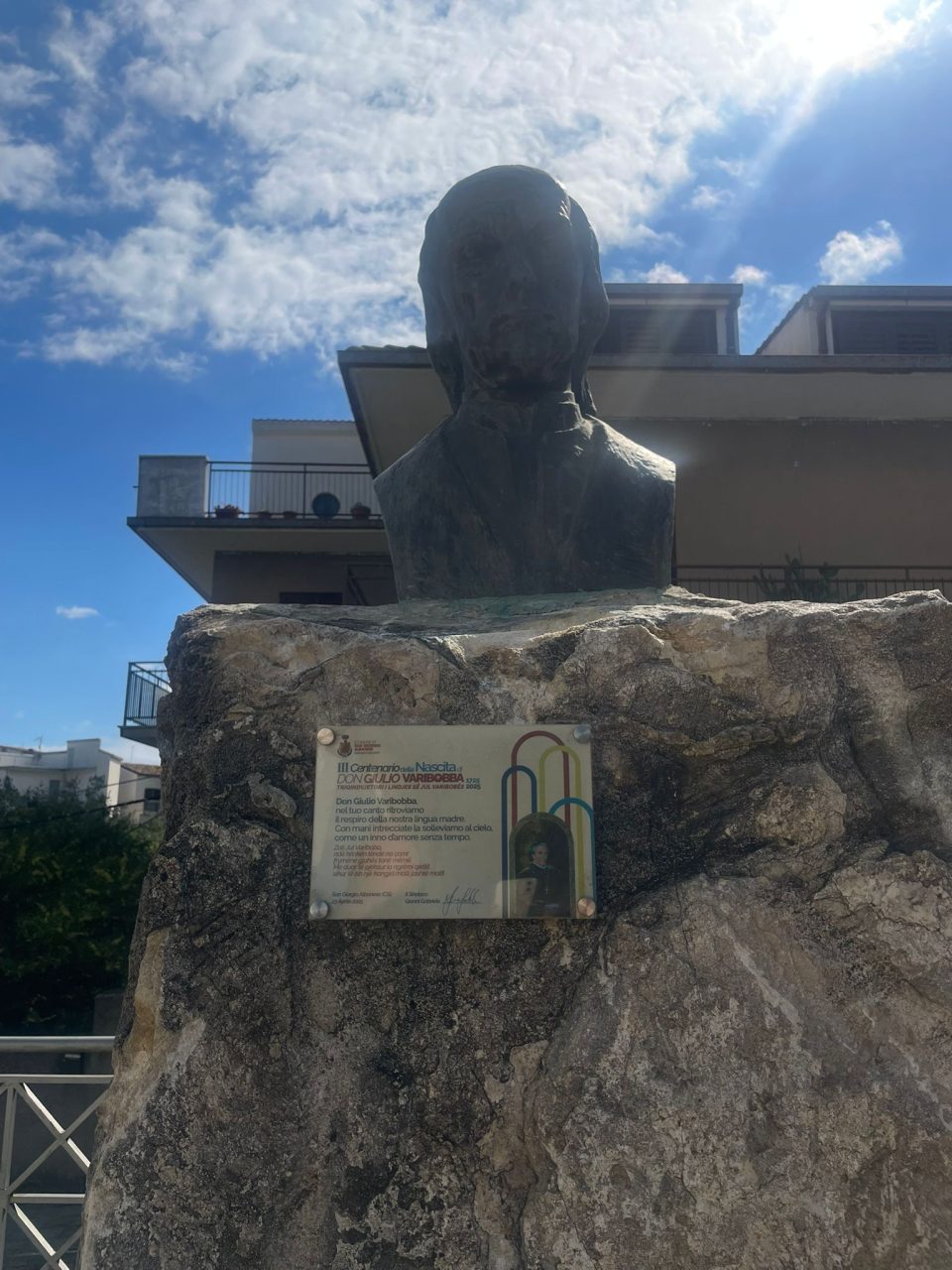
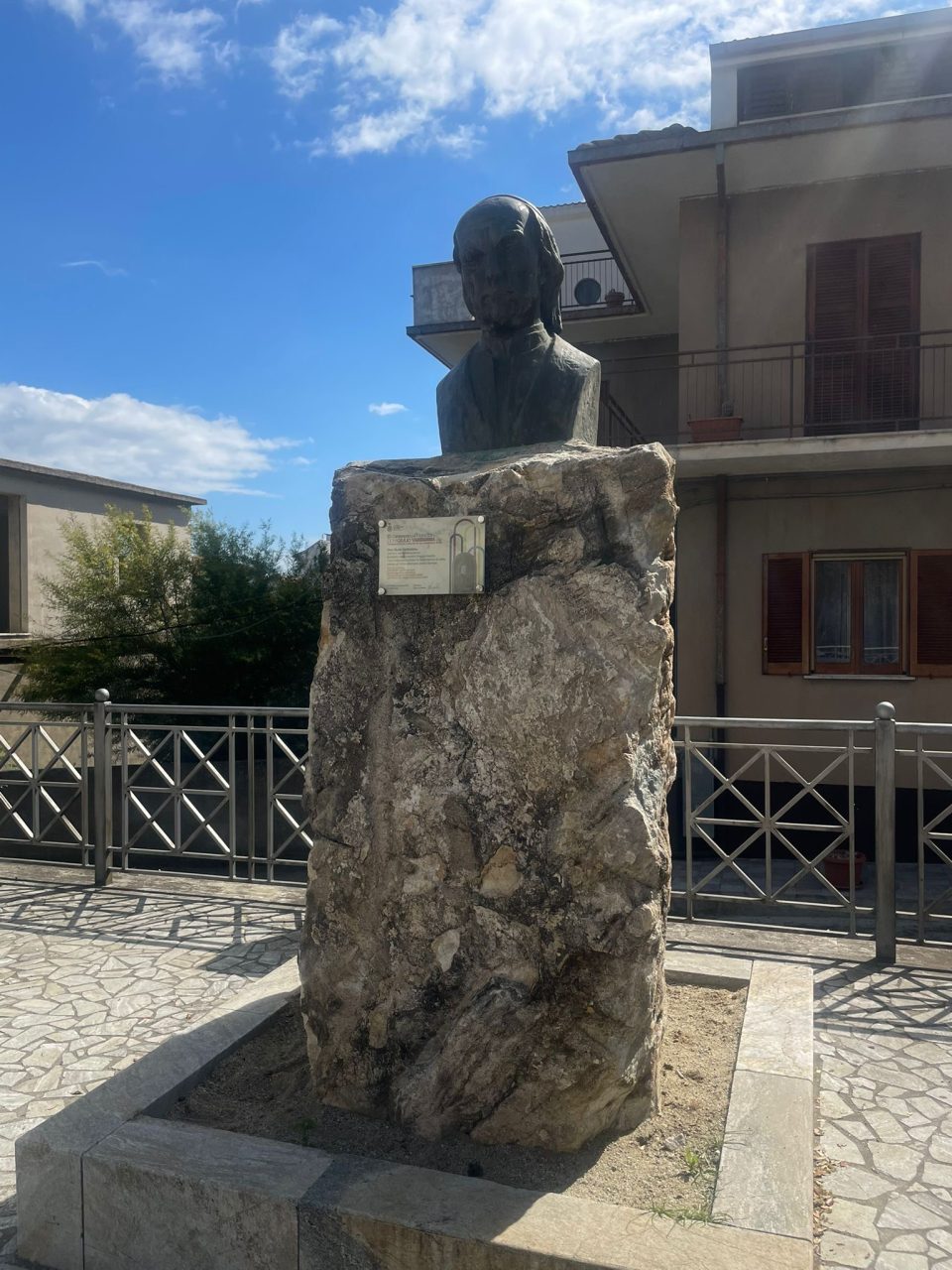
During this study trip, the professors: Prof. Dr. Emine Shabani, Prof. Dr. Esmije Veseli, Prof. Dr. Hana Dardhishta, Asst. Prof. Dr. Vjollcë Berisha, MSc. Kaltrina Sadiki-Memeti, MSc. Fatmire Isaki, Prof. Dr. Fatbardha Doko, Prof. Dr. Lulzime Kamberi, Prof. Dr. Arlind Farizi, and Prof. Dr. Agim Shabani—visited several Arbëresh centers such as San Demetrio Corone (Shën Mitri), San Giorgio Albanese (Shën Gjergji), Cosenza (Kozenca), Bari, as well as other places and institutions of particular educational, cultural, and historical importance.
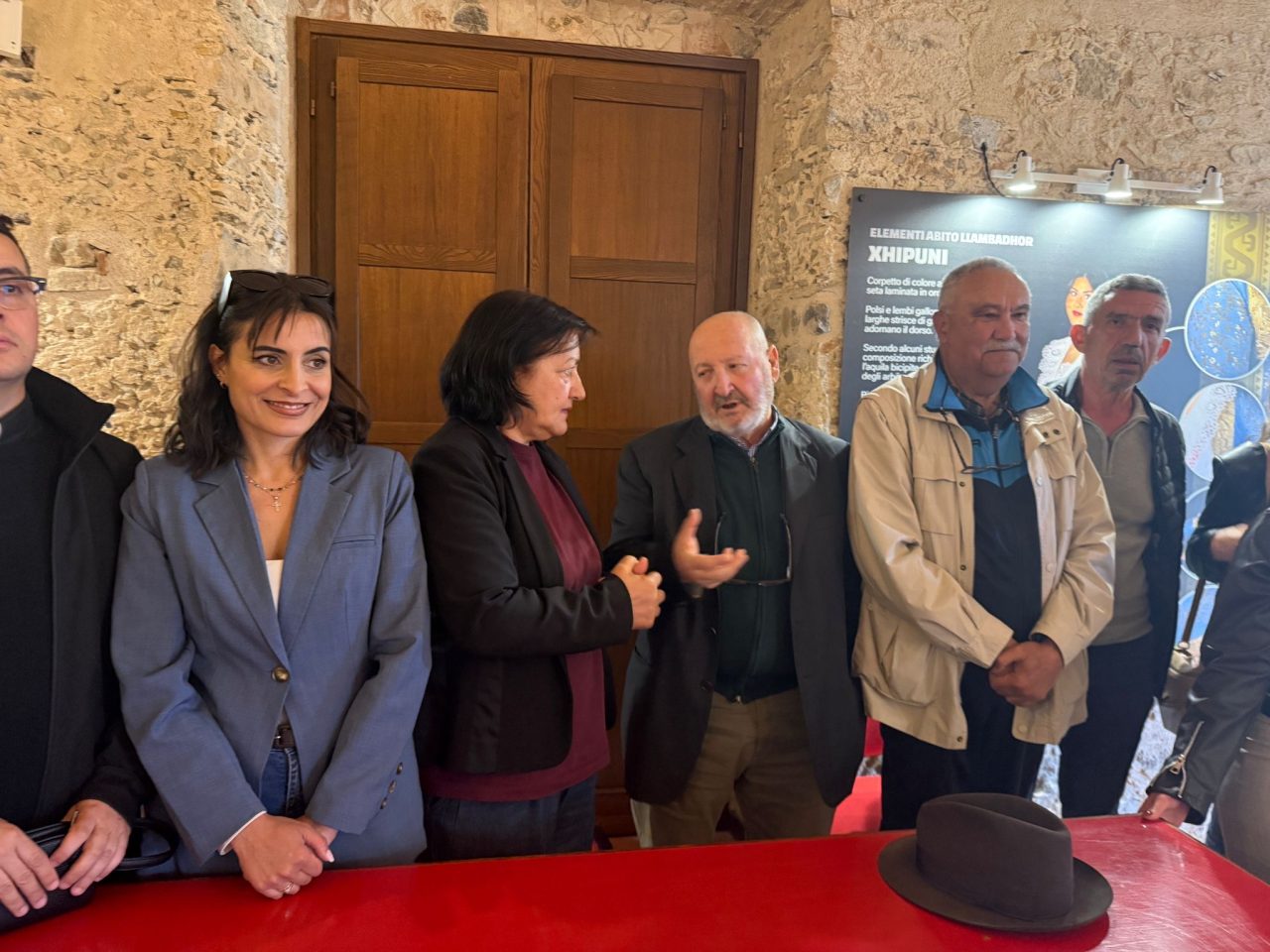
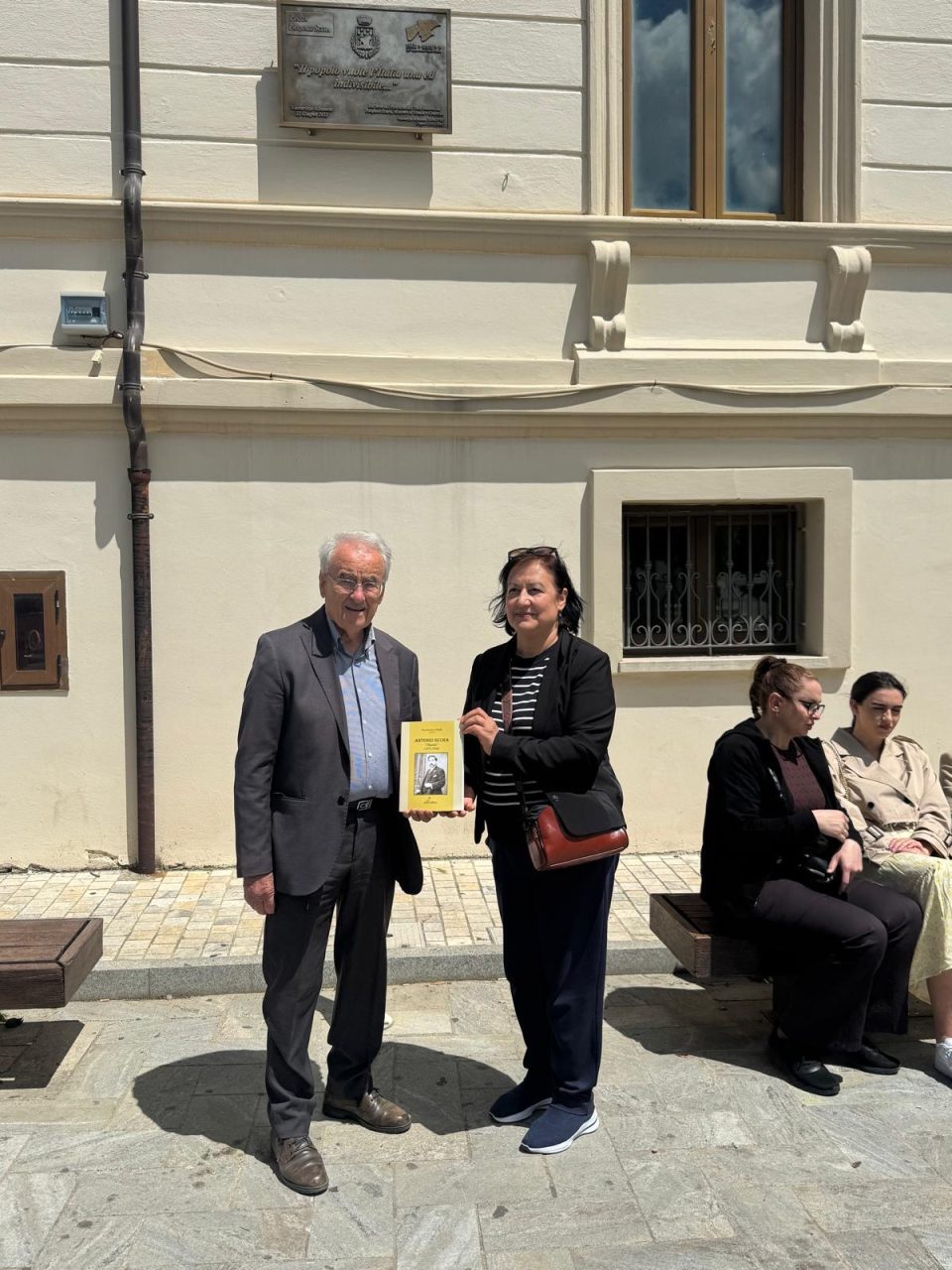
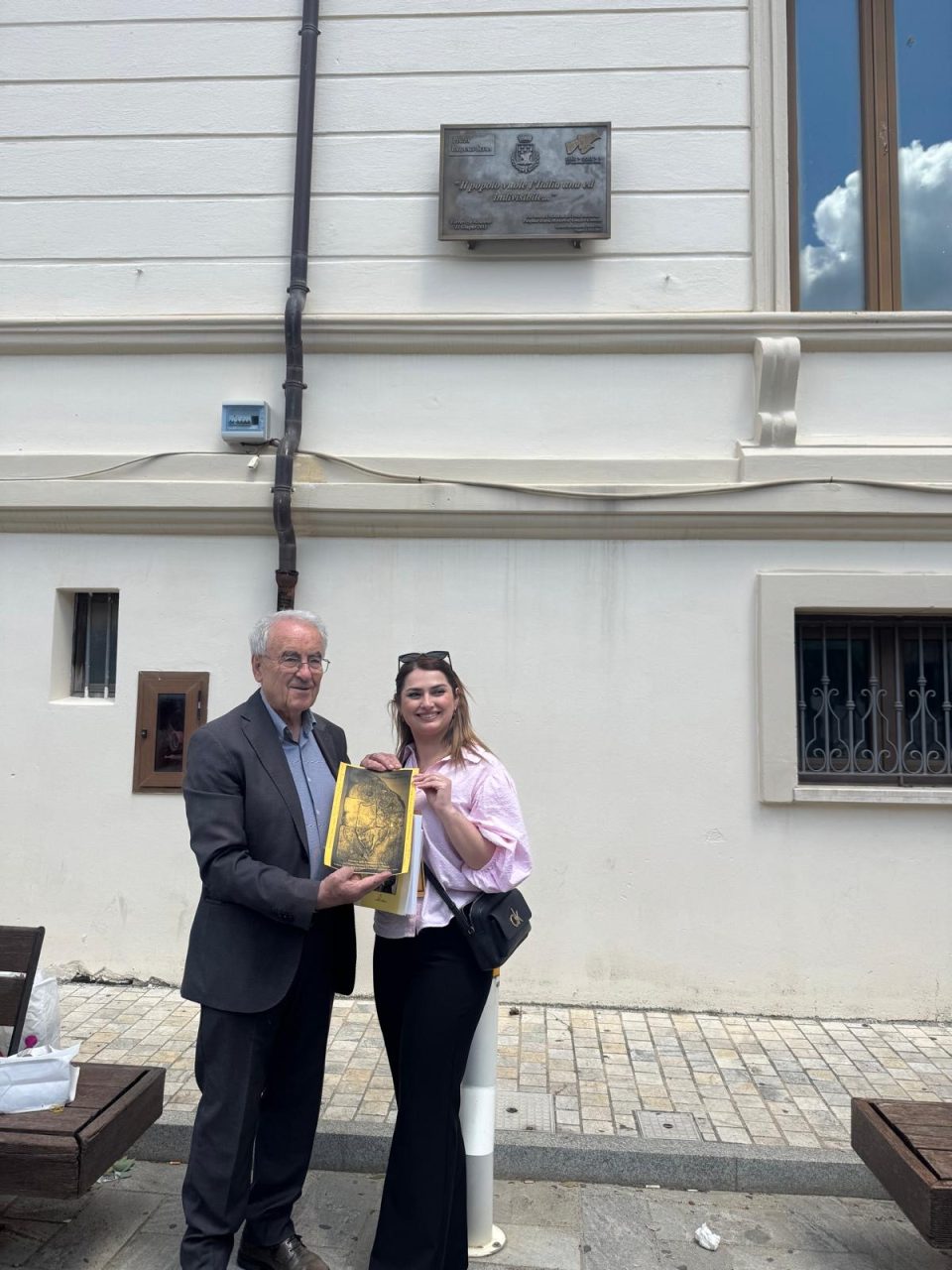
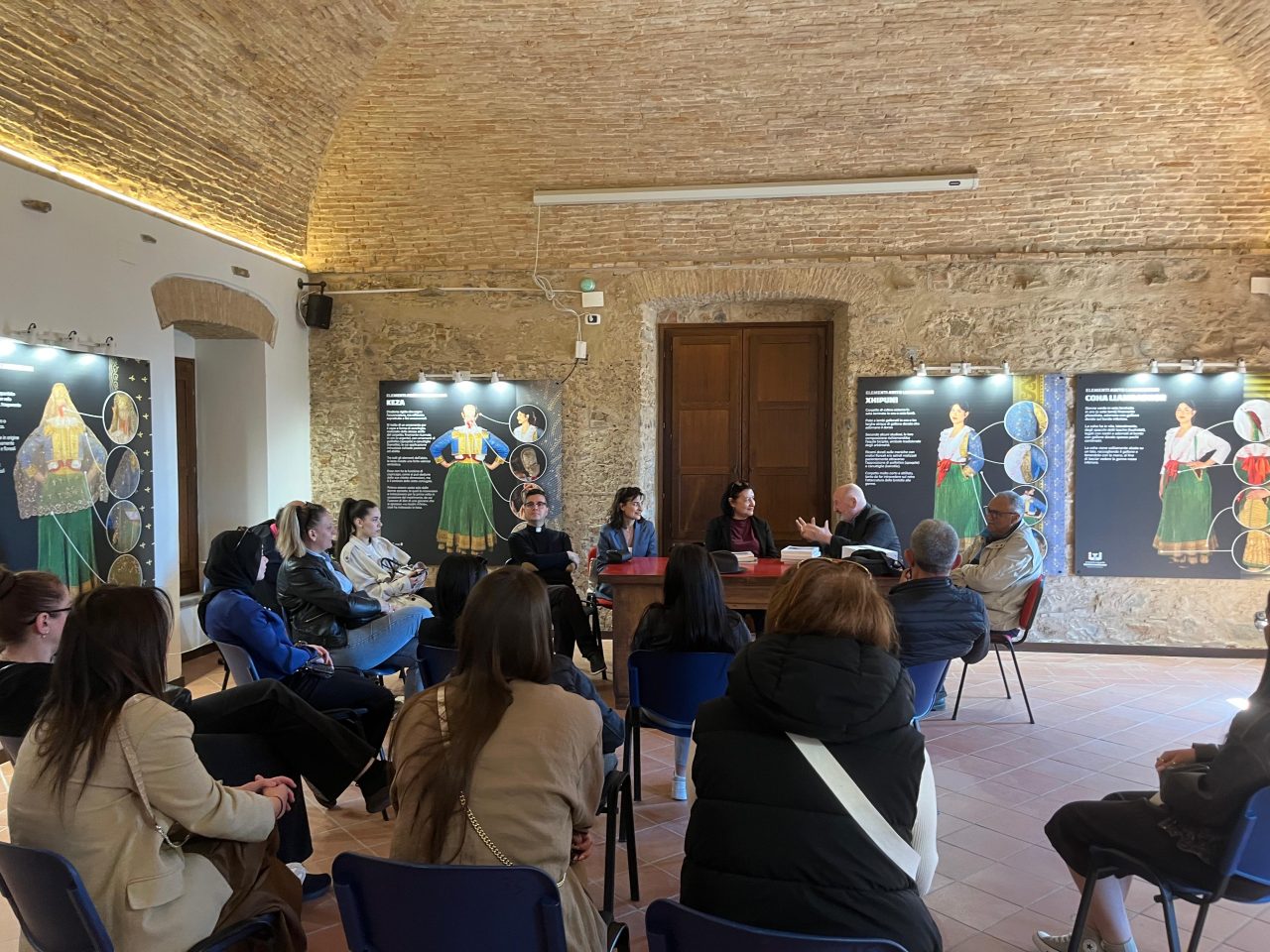
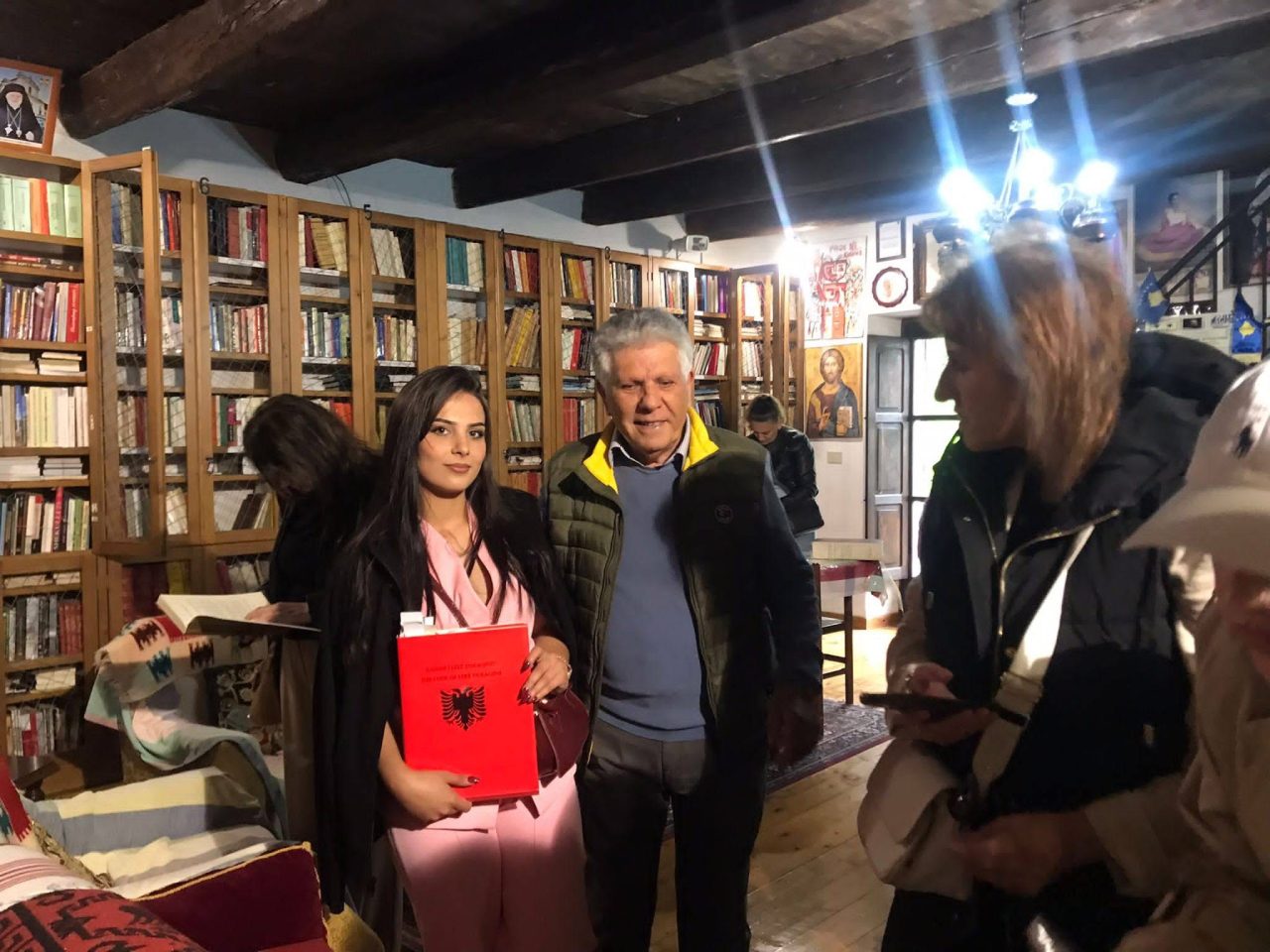
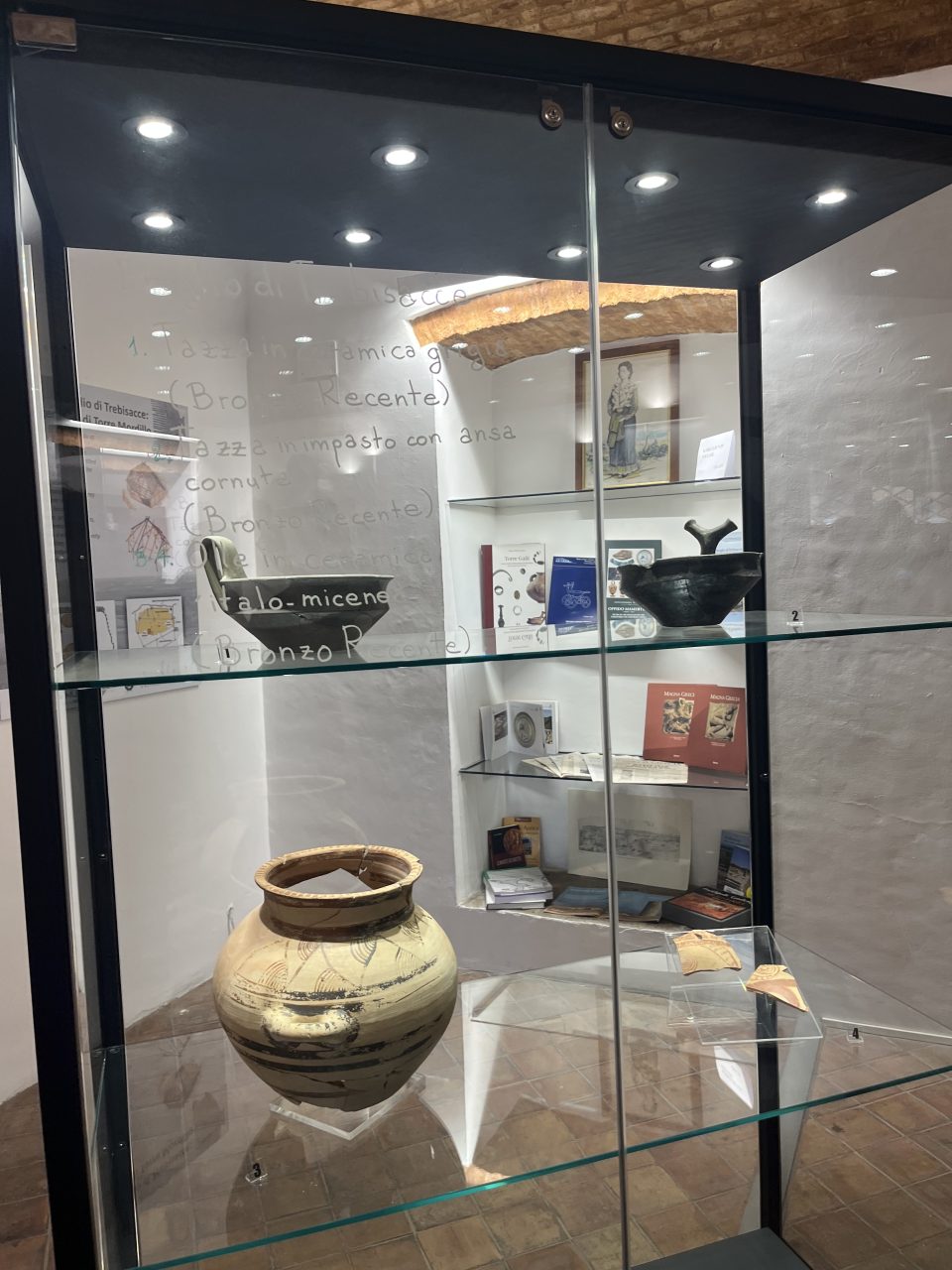
The delegation from the University of Tetova was received by well-known personalities, including Tomaso Belushi, brother of Antoni Belushi; Professor Francesco Perri; the former mayor of Vaccarizzo Albanese, who shared important information about the Arbëresh settlements, their history, and establishment; historian Damiano Guagliardi; as well as Gennaro De Cicco – a journalist, poet, and professor. The delegation was also warmly welcomed by Francesco Marchianò, Rossana Nociti – Deputy Mayor of Spezzano Albanese—as well as Maria Galizia and Maria Teresa Camodeca, curators of the archaeological museum.
The philologists of the University of Tetova described this visit as a particularly emotional experience and a valuable opportunity to gain new knowledge about the life and rich heritage of the Arbëresh people of Italy. In those places, where the night seems to speak in a soft voice, like thousands of Arbëresh nights, every experience takes the shape of a verse, and every memory becomes light.
The eyes of this ancient world seem like two tireless galaxies, where stars burn without fading, leaving sparks of light for better times of lyricism. They are like unwritten verses that the night reads quietly, while in their depths flows an invisible river of memory, carrying with it time, name, and history.
In this space, where the past and the present intertwine naturally, every gaze becomes a bridge between worlds, silent arches that do not wound, but touch the soul deeply. Metaphors breathe, become life, and the human being dissolves into new meanings, into a language resembling the old Arbëresh one, encoded, profound, yet alive.
This experience was not only a study trip, but also a deep encounter with the Arbëresh spirit, a world that lives between history, memory, and poetry.